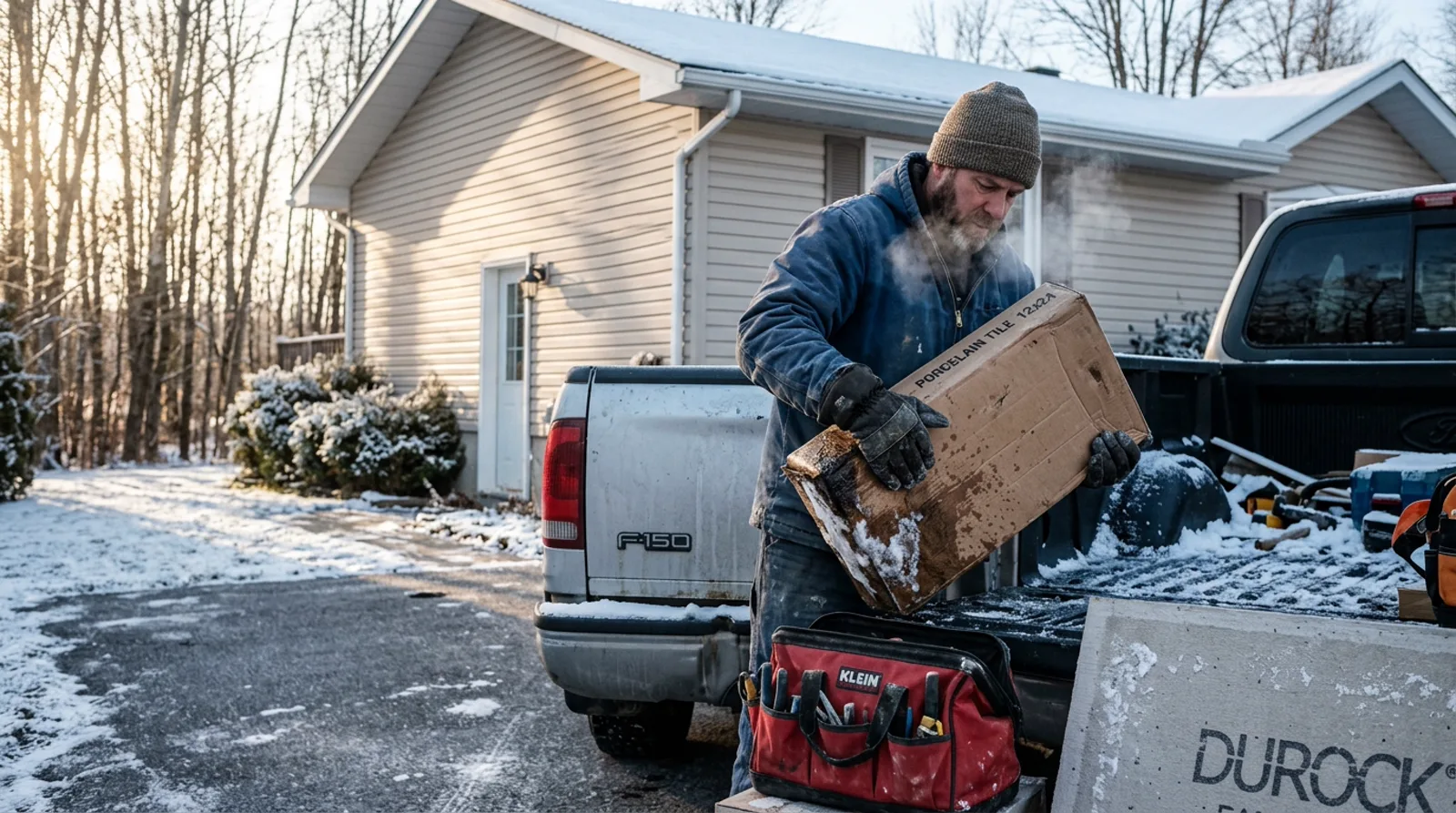
Bathroom Renovations Built for Alberta Homes.
Local licensed contractors who handle permits, respect your timeline, and build bathrooms that last through Alberta freeze-thaw cycles.
Bathroom Renovation Services
From cosmetic updates to full gut jobs, matched to your budget and timeline.
Full Bathroom Remodel
Complete teardown and rebuild. New plumbing, electrical, tile, fixtures, vanity, lighting. Local pros handle permits, inspections, and coordination. Typical timeline is 4 to 6 weeks from demo to final walkthrough.
Shower or Tub Replacement
Swap an old tub for a walk-in shower, or replace a worn acrylic unit with tile. Includes waterproofing, drain work, valve upgrades if needed, and tile or surround install. Permits required if moving plumbing.
Vanity & Cabinet Install
New vanity, countertop, sink, faucet, and mirror. Local pros handle plumbing connections, secure mounting for Alberta humidity swings, and coordinate cabinet delivery. Stock units start lower, custom cabinetry at the high end.
Tile Work & Waterproofing
Floor and wall tile, with proper membrane and slope for drainage. Porcelain or ceramic, large format or mosaic. We prep substrate, apply waterproof membrane, set tile, grout, and seal. Critical for Alberta freeze-thaw.
Plumbing Upgrades
Replace old galvanized or poly-b supply lines, upgrade shut-off valves, install thermostatic shower valves, add a bidet line. Includes pressure testing and compliance with Alberta Plumbing Code. Permit and inspection required.
Accessibility Modifications
Zero-threshold showers, grab bars, comfort-height toilets, lever handles, anti-scald valves, wider doorways. Built to CSA accessibility standards. May qualify for provincial seniors' home adaptation grants.
Why Alberta Bathrooms Need Local Expertise
📋 Parkland County & Spruce Grove Permits
Any work that touches plumbing, electrical, or framing needs a permit. The contractor pulls them, books inspections, and knows the local officers. Unpermitted work can hurt resale value and trigger insurance exclusions.
❄️ Freeze-Thaw & Ventilation
Alberta winters demand proper exhaust fans vented outside, not into attics. We size fans to code, insulate ducts, and ensure no condensation in walls. Poor ventilation causes mold and frost buildup in exterior wall cavities.
💧 Waterproofing for Our Climate
Dry indoor air in winter, humidity swings in spring. We use liquid or sheet membranes under tile, caulk expansion joints, and slope floors properly. Skipping this step leads to subfloor rot and expensive callbacks.
🛡️ Liability coverage
Every contractor on our network tells us they carry $2M liability insurance, minimum. This protects you if someone gets hurt on site or if work damages your home. Always ask to see certificates.
What it costs here
Everything You Need to Know About Bathroom Renovations in Spruce Grove
Planning, permits, materials, timelines, and how to avoid common mistakes.
What a Bathroom Renovation Actually Involves in Spruce Grove
A bathroom renovation in Spruce Grove is not simply swapping out a vanity or painting walls. It is a coordinated sequence of structural, mechanical, and finish work that must meet Alberta Building Code requirements while addressing the specific challenges of our climate. The scope ranges from a cosmetic refresh, where you replace fixtures and finishes on existing layouts, to a full gut and reconfigure that moves plumbing lines, relocates walls, and upgrades electrical and ventilation systems. Most projects fall somewhere in between, combining new tile, cabinetry, and fixtures with targeted plumbing or electrical upgrades to bring an older bathroom up to current standards and modern expectations.
The structural side often surprises homeowners. Alberta homes built before 2000 frequently have undersized floor joists or inadequate subfloor blocking, especially around toilets and tubs. When you remove old tile or vinyl, you may discover soft spots from past leaks, mold on drywall, or even rotted rim joists where exterior walls meet the foundation. Spruce Grove sits in a zone with deep frost penetration, which means exterior bathroom walls can harbour condensation issues if the original vapor barrier was poorly installed or punctured by renovations over the years. A proper renovation addresses these hidden problems first, replacing damaged framing, sistering joists where needed, and installing new vapor barriers and insulation that meet current R-value requirements for our climate zone.
On the mechanical side, you are coordinating three trades: plumbing, electrical, and HVAC. Plumbing work includes relocating or replacing drain lines, water supply lines, and vents. Drain lines must maintain proper slope, and any new fixture location requires a vent that ties into the existing stack or extends through the roof. Electrical upgrades bring the bathroom up to code with GFCI protection on all outlets, dedicated circuits for high-draw items like heated floors or ventilation fans, and proper lighting on separate switches. HVAC work is often overlooked but critical in Alberta: you need either a balanced ventilation fan that exhausts moisture to the outside or, in newer builds, integration with an HRV system. Without proper ventilation, even a beautiful new bathroom will develop mold and peeling paint within two winters due to condensation from showers and baths in our dry, cold climate.
Why Alberta Climate and Local Conditions Drive Bathroom Upgrades
Spruce Grove experiences temperature swings that few other regions endure. Winter lows reach negative 30 Celsius or colder, while summer highs push past 30 Celsius. Chinook winds can raise the temperature 15 degrees in a few hours, then drop it again just as fast. This constant freeze and thaw cycle stresses every material in your home, but bathrooms suffer most because they combine moisture, heat, and exterior walls. Older homes in the area were often built with minimal insulation in exterior bathroom walls, leading to cold spots where condensation forms on tiles, mirrors, and even inside wall cavities. Over time, this moisture rots wood framing, feeds mold growth, and causes grout to crack and fail. A renovation that ignores insulation and vapor control will repeat the same problems within five years.
Snow load and ice damming also play a role, especially in two-story homes where the bathroom sits under the roofline. Ice dams form when warm air from the bathroom rises into an under-insulated attic, melting snow on the roof. The melt refreezes at the eaves, creating a dam that backs water under shingles and into the wall cavity. You see the result as stains on bathroom ceilings, peeling paint, or even drips during spring melt. Fixing this requires more than patching drywall: you need proper attic insulation, a continuous air barrier, and a ventilation fan that exhausts directly outside rather than dumping moisture into the attic. Many Spruce Grove renovations include attic work above the bathroom to eliminate this recurring problem.
Local building permits and inspections add another layer. Parkland County and the City of Spruce Grove both require permits for any work that touches plumbing, electrical, or structural elements. The permit process takes one to three weeks depending on the season, and inspections happen at rough-in and final stages. Inspectors check that plumbing vents terminate above the roofline, that drain slopes meet code, that electrical boxes are rated for wet locations, and that ventilation fans discharge outside, not into soffits. Homeowners who skip permits to save money risk failing a future home inspection, voiding insurance claims if a leak occurs, and facing orders to open walls and redo work. A legitimate contractor pulls permits, schedules inspections, and ensures every detail meets current Alberta Building Code so the renovation adds value rather than liability.
Warning Signs Your Bathroom Needs Professional Attention
Soft or spongy flooring around the toilet or tub is the most common red flag. If the vinyl or tile gives slightly when you step near the fixture, water has compromised the subfloor. This often starts with a failed wax ring under the toilet, a leaking tub drain, or condensation from an uninsulated exterior wall. Left unchecked, the rot spreads to floor joists and can eventually affect the structure below. In Alberta's dry climate, small leaks evaporate quickly on the surface, so homeowners do not notice the damage until they feel the floor flex. By that point, you are looking at subfloor replacement, possible joist repairs, and a full tear-out to access the damage. Catching it early, when you first notice the soft spot, saves thousands of dollars and prevents structural issues.
Persistent mold or mildew on grout, caulking, or ceiling corners signals a ventilation problem. Many older Spruce Grove homes have builder-grade exhaust fans that move too little air or vent into the attic instead of outside. When you shower, moisture saturates the air and condenses on cold surfaces, especially in winter when exterior walls and ceilings are coldest. Mold appears as black or green spots that return even after cleaning with bleach. This is not just cosmetic: mold degrades indoor air quality, triggers respiratory issues, and indicates that moisture is trapped inside wall cavities where you cannot see it. A proper renovation includes a high-CFM exhaust fan, a timer or humidistat control, and ducting that runs straight to an exterior vent. Paired with proper insulation and a vapor barrier, this eliminates the condensation that feeds mold growth.
Outdated plumbing fixtures and water damage stains point to aging infrastructure. If your faucets drip constantly, your toilet runs between flushes, or you see rust stains in the tub, the fixtures are past their service life. More concerning are water stains on the ceiling below the bathroom, which indicate a slow leak from the drain, supply line, or even the shower pan. Alberta's hard water accelerates corrosion in older galvanized pipes and can cause pinhole leaks in copper if the water chemistry is aggressive. A renovation is the ideal time to replace aging supply lines with PEX, install new shut-off valves at every fixture, and verify that all drain connections are sealed and properly vented. Addressing these issues during a planned renovation is far less expensive and disruptive than responding to a burst pipe emergency in the middle of a February cold snap.
When a Refresh Is Enough Versus When You Need a Full Gut
A cosmetic refresh works when the bones of the bathroom are sound: no soft floors, no hidden leaks, no code violations, and no layout inefficiencies. You keep the existing plumbing and electrical locations and update finishes, fixtures, lighting, and storage. This approach costs $8,000 to $18,000 for a typical Spruce Grove bathroom and takes two to three weeks. You gain a modern look, better lighting, improved storage, and more efficient fixtures without the expense and disruption of moving walls or rerouting drains. A refresh makes sense if the bathroom functions well and you simply want updated style and finishes.
A full gut is necessary when you find structural damage, code violations, poor layout, or outdated systems. This means stripping the room to studs and subfloor, addressing any framing or insulation issues, relocating fixtures to improve flow, and installing all new plumbing, electrical, and ventilation. Costs range from $22,000 to $50,000 or more depending on size, fixture quality, and the extent of structural work. The timeline stretches to six to ten weeks including permit delays and inspections. You choose a full gut when the existing bathroom cannot deliver the function, safety, or efficiency you need, or when you are reconfiguring the space to add a second sink, a larger shower, or accessible features. The investment is substantial, but the result is a bathroom built to current standards that will serve your household reliably for the next 20 years.
The Bathroom Renovation Process: What to Expect Start to Finish
The process begins with a site assessment and design consultation. A contractor walks through the existing bathroom, takes measurements, identifies any visible damage, and discusses your goals for layout, fixtures, storage, and style. This is the time to mention must-haves like a walk-in shower, double vanity, heated floors, or accessible features such as grab bars and curbless entries. The contractor checks whether your wish list fits the existing footprint or requires moving walls, and whether the plumbing stack and electrical panel can support the changes without major upgrades. In Spruce Grove, this phase often includes a discussion about ventilation and insulation, since many older homes need improvements in both areas to prevent future moisture problems. You leave the consultation with a rough scope, a ballpark budget, and a timeline estimate.
Next comes detailed design and material selection. If the layout is changing, the contractor produces a floor plan showing new fixture locations, door swing, and any wall moves. You select tiles, vanity, countertop, faucet, toilet, tub or shower system, lighting, and hardware. This is where the budget becomes real: a builder-grade vanity and fiberglass tub cost $2,500 combined, while a custom vanity with quartz top and a tiled walk-in shower with frameless glass run $12,000 or more. The contractor prepares a detailed quote broken down by demolition, framing, plumbing, electrical, insulation, drywall, tile, fixtures, and finishing. Once you approve the quote and timeline, the contractor applies for permits. In Spruce Grove and Parkland County, permit turnaround is typically one to two weeks in spring and summer, faster in winter. You cannot start until the permit is issued, so plan accordingly.
Demolition happens first. The crew removes all fixtures, cabinetry, tile, drywall, and flooring down to studs and subfloor. This reveals any hidden damage: rotted joists, mold, old knob-and-tube wiring, or undersized drain lines. Expect surprises. Alberta homes built in the 1970s and 1980s often have no vapor barrier in exterior bathroom walls, and the insulation may be compressed or missing entirely. The contractor documents these findings, explains the necessary fixes, and provides a change order if the work exceeds the original scope. Most bathroom renovations add $1,500 to $4,000 in unforeseen repairs, so budget a contingency. Once demolition and any structural repairs are complete, the rough-in begins.
Rough-in covers plumbing, electrical, and HVAC installation. The plumber installs new drain lines, water supply lines, and vents, then pressure-tests the system. The electrician runs new circuits, installs boxes for lights, outlets, and switches, and wires any in-floor heating or ventilation fans. The HVAC contractor routes ductwork for the exhaust fan and ensures it terminates outside, not in the attic. This phase requires a municipal inspection before you can close up the walls. The inspector verifies that drain slopes are correct, vents terminate properly, electrical is grounded and GFCI-protected, and everything meets code. Inspections are scheduled through the permit system and typically occur within two business days. Once the rough-in passes, the crew insulates exterior walls, installs vapor barriers, and hangs drywall.
After drywall is taped, mudded, and sanded, the finish phase begins. The tile installer sets floor tile, then wall tile in the shower or tub surround, using proper waterproofing membrane and sloped shower pans. Grout and caulking come next, with careful attention to corners and transitions to prevent water intrusion. The vanity and countertop are installed, followed by the toilet, tub or shower fixtures, faucet, and any accessories like towel bars or grab bars. The electrician returns to install light fixtures, outlets, and switches. The painter primes and paints walls and ceiling, and trim carpenters install baseboards and door casing. Finally, the contractor schedules the final inspection. The inspector checks that all fixtures are properly secured, that ventilation operates and exhausts outside, that electrical is correctly wired, and that the finished bathroom matches the approved permit drawings. Once the final inspection passes, the permit closes and the renovation is complete.
What bathroom renovations really cost in the Tri-Region and what drives the price
A basic cosmetic refresh in Spruce Grove or Stony Plain, where you repaint, swap the vanity, replace the toilet and add new fixtures, typically runs between $3,500 and $8,000 for a standard five-foot bathroom. A mid-range renovation that includes new tile on the floor and tub surround, a better vanity, upgraded lighting and a new exhaust fan sits in the $12,000 to $22,000 range. A full gut job, where the contractor strips to studs, relocates plumbing, installs underfloor heat, builds a custom tile shower with a bench and niche, adds a soaker tub and uses premium finishes, can easily reach $35,000 to $55,000 or more in Parkland County and Acheson. The difference between these tiers is not just materials but labour hours, permit complexity and the depth of trades involved.
The biggest cost drivers are fixtures and finishes, plumbing alterations, structural work and code compliance. A builder-grade vanity from a local supplier costs $400 to $1,200, while a custom hardwood piece with soft-close drawers and stone top runs $2,500 to $5,000. Porcelain tile at $4 to $8 per square foot installed is affordable, but large-format rectified tile or natural stone can hit $15 to $25 per square foot when you include waterproofing membrane, thinset, grout and skilled labour. Moving a toilet or shower drain means cutting concrete in many Tri-Region homes, rerouting ABS waste lines and pouring a new floor patch, which adds $1,500 to $4,000 depending on access and how far you move it. If the room shares a wall with an exterior wall and you open it up, code now requires modern R-value insulation and vapour barrier, so what started as a tile job becomes an insulation and drywall project.
Alberta-specific factors push costs higher than online averages suggest. Every bathroom renovation in Spruce Grove, Stony Plain and Parkland County requires a building permit, which costs $150 to $350 depending on scope, and the inspector will flag outdated wiring, lack of GFCI protection and insufficient venting. Upgrading an old 15-amp circuit to a 20-amp GFCI breaker and adding a dedicated line for underfloor heat runs $600 to $1,200 in electrician time. Disposal fees at the Parkland County transfer station are roughly $120 per truck load for demolition waste, and most gut jobs generate two loads. Winter work between November and March can add scheduling delays or small premiums because contractors juggle frozen ground for other trades and daylight hours are short, though bathroom work is indoors so the impact is less severe than exterior projects. Material prices in rural Alberta also run five to fifteen percent higher than Calgary or Edmonton due to freight and smaller supplier volumes.
Comparing your main methods, materials and layout options
Tub, tub-shower combo or walk-in shower
A standard alcove tub with tile surround is the most economical choice, costing $2,500 to $5,000 installed including waterproofing, tile and trim. It works well for families with young children and preserves resale appeal in Spruce Grove and Stony Plain, where buyers still expect at least one tub in the home. Acrylic tub-liner kits that glue over an existing tub are marketed as faster and cheaper, running $1,800 to $3,500, but they hide underlying rot and mold rather than addressing it, and many contractors in Parkland County refuse to install them because callbacks are common when the old surround fails behind the liner.
A curbless walk-in shower with a linear drain and frameless glass door offers modern aesthetics, easier aging-in-place access and a feeling of space in smaller bathrooms. Expect to spend $6,000 to $12,000 for a quality build that includes sloped mud bed or foam pan, waterproof membrane, porcelain tile on walls and floor, niche, bench and tempered glass enclosure. The extra cost comes from precision sloping to prevent pooling, careful waterproofing at the threshold and the glass, which alone runs $1,200 to $2,500 depending on size and hardware finish. In Acheson and rural Parkland County where homes sit on well water with higher mineral content, frameless glass shows water spots quickly, so some homeowners choose semi-frameless designs with less exposed glass or commit to weekly squeegee routines.
Combination units, where a soaker tub sits beside a separate walk-in shower, deliver luxury and flexibility but require at least 80 square feet of floor space and a budget north of $20,000 for both fixtures plus the tile, plumbing and framing to support them. This layout makes sense in a master ensuite renovation in a larger Stony Plain or Spruce Grove home, but it is overkill for a single shared bathroom serving three bedrooms. Resale value in the Tri-Region does not typically recover the full cost of double fixtures in a secondary bathroom, so focus your dollars on the primary bath if you have to choose.
Tile versus luxury vinyl plank and acrylic systems
Ceramic or porcelain tile remains the gold standard for bathroom floors and wet areas because it is waterproof, durable and available in hundreds of styles from local suppliers in Spruce Grove and Stony Plain. Standard 12-inch ceramic costs $3 to $6 per square foot installed, while rectified porcelain in a wood-look plank or large format runs $8 to $15 per square foot once you factor in leveling compound, waterproof underlayment and precise layout. Grout lines are the weak point, so specify epoxy grout in the shower floor and use a high-quality sealer on cement grout elsewhere; expect to pay $100 to $200 extra for epoxy but it resists staining and mildew far better in a humid Alberta bathroom.
Luxury vinyl plank and luxury vinyl tile have improved dramatically and now offer waterproof cores, realistic texture and click-lock installation that a handy homeowner can tackle. Material costs run $2 to $5 per square foot, and a local handyman or flooring installer charges $3 to $6 per square foot for labour including underlayment. The catch is that vinyl on bathroom floors can telegraph subfloor imperfections, and it does not add the same perceived value as tile when you sell your Parkland County or Acheson home. Vinyl is a smart choice for a basement bathroom on a tight budget or a rental property where you prioritize speed and cost over premium finishes.
Acrylic wall panel systems, sold by some franchises and RV suppliers, promise a one-day tub surround with no grout lines. Costs range from $3,000 to $6,000 installed, and the clean look appeals to anyone who hates scrubbing grout. The downside is that panels can crack if struck, they limit design flexibility and they feel less substantial than tile. In the Tri-Region market, tile remains the expected standard for a quality renovation, and acrylic panels can actually hurt resale if buyers perceive them as a shortcut. If you want low maintenance, invest in good tile with epoxy grout rather than compromising on materials.
Vanity, countertop and storage decisions
Stock vanities from big-box stores in Spruce Grove cost $300 to $1,000 for a 30 to 48 inch cabinet with a basic cultured-marble top. They are functional and fast, available same-day and adequate for a builder-grade flip or rental. Custom vanities built by a local Stony Plain cabinet maker or ordered semi-custom from suppliers in Edmonton run $1,500 to $4,000 and offer better joinery, soft-close drawers, dove-tailed boxes and tailored dimensions to fit an awkward nook or maximize a narrow bathroom. Countertop choices range from cultured marble at $50 to $100 per linear foot up to quartz at $150 to $250 per foot installed, with edge profile and cutouts for undermount sinks adding to the bill. Granite is less common in bathrooms now because quartz requires no sealing and resists staining better in a humid environment.
Storage is often overlooked until the renovation is finished and you realize there is nowhere to put towels, cleaning supplies or toiletries. A recessed medicine cabinet costs $150 to $600 depending on size and lighting, and installing one requires cutting into a wall stud bay, which adds an hour of framing and drywall work. Floating shelves above the toilet or beside the vanity cost $100 to $300 for materials and installation, but they collect dust and look cluttered if you do not style them carefully. A floor-to-ceiling linen tower built into the vanity run or a shallow 12-inch cabinet on an adjacent wall solves the problem more elegantly and adds real value, especially in older Tri-Region homes where the original bathroom had zero built-in storage.
Mistakes and contractor traps homeowners need to avoid
Skipping the building permit is the single most expensive shortcut you can take. Some contractors in Spruce Grove and Stony Plain will offer to save you the $200 permit fee and the inspection hassle, framing it as a favour, but you are left holding the liability. If you sell your home and the buyer's inspector spots unpermitted work, you may be forced to open walls, bring everything to code and obtain a retroactive permit at double the cost and significant delay. Alberta real estate lawyers now routinely ask for permit records on any renovation within the past ten years. Worse, if a plumbing leak from that unpermitted bathroom causes water damage to your neighbour's basement in a duplex or a downstairs suite, your home insurance can deny the claim outright because the work was not inspected. The permit protects you, not the contractor, so insist on it and verify the permit number online through your municipality before the first wall comes down.
Inadequate or incorrectly installed ventilation is the second most common mistake, and it causes expensive mold and rot in the Tri-Region's climate. Alberta winters create extreme indoor-outdoor humidity differentials, and a hot shower without proper exhaust dumps moisture into the attic or wall cavities where it condenses on cold sheathing and feeds mold. The building code requires a bathroom fan rated for the room's cubic footage, ducted to the exterior through a roof or wall cap, not simply vented into the attic. A quality 80 to 110 CFM fan with a humidistat or timer costs $120 to $300, and proper installation with insulated rigid duct and a dampered exterior cap adds another $200 to $500 in labour. Contractors who run flex duct or terminate in the attic are cutting corners that will cost you thousands in mold remediation and insurance headaches three years later.
Choosing a contractor based solely on the lowest bid is a trap that Parkland County and Acheson homeowners fall into repeatedly. A rock-bottom quote usually means the contractor is uninsured, paying workers under the table without liability insurance or planning to substitute cheaper materials once the job starts. If that uninsured worker falls off a ladder in your home, you can be held personally liable for medical costs and lost wages. If the contractor ghosts halfway through because he underbid and cannot afford to finish, you are stuck hiring someone else to complete the work at a premium because they have to correct the first guy's mistakes. A legitimate contractor in the Tri-Region carries two million in liability insurance and liability insurance clearance, pulls permits in his own name and provides a written contract with a clear scope, timeline and payment schedule. Verify the WCB account online before signing anything.
Vague contracts and loose change-order practices burn homeowners more often than outright fraud. A contract that says 'bathroom renovation, $18,000' with no breakdown of materials, labour, exclusions or allowances gives the contractor unlimited room to charge extra for anything you assumed was included. Every fixture, finish and detail should be specified in writing, including brand names, model numbers and colour codes for tile, vanity, faucet, toilet and lighting. The contract should state what permits are included, who handles disposal, how payments are scheduled and what happens if you change your mind on tile halfway through. Change orders are normal when you discover rot or want to upgrade a fixture, but each should be documented with a written amendment, a price and a signature before the work proceeds. Handshake add-ons lead to disputes at final payment, and small claims court in Stony Plain is full of homeowners who thought the extra niche or upgraded faucet was included.
How to hire the right contractor for your bathroom renovation
Start by verifying that any contractor you consider holds two million in liability insurance. WCB clearance proves they pay into the workers' compensation system, which protects you from injury claims if someone gets hurt on your property. You can verify a WCB account number instantly on the Alberta WCB website by entering the business name or account number; if the contractor hesitates to provide it, walk away. Liability insurance protects you if the contractor damages your home, causes a flood or accidentally breaks a gas line. Ask for a certificate of insurance showing current coverage and the insurance company's contact information, then call to confirm it is active. Legitimate contractors in Spruce Grove, Stony Plain and Parkland County provide these documents without hesitation because they know informed homeowners are better clients.
Demand a detailed written quote that itemizes materials, labour, permits, disposal and allowances for fixtures you have not yet selected. A good quote will list the vanity by brand and model, specify the square footage and type of tile, name the plumber and electrician subcontractors if applicable and break out the cost of demolition, framing, plumbing rough-in, electrical, drywall, tiling, painting and finishing. It should state what is not included, such as structural repairs if they find rot, mold remediation or upgrades to the main electrical panel if required by code. Ask for references from three jobs completed in the past year in the Tri-Region, then actually call them and ask whether the contractor showed up on time, stayed on budget, handled problems professionally and left the site clean. Drive by those addresses if possible to see the quality of the exterior work or curb appeal, which often reflects the interior attention to detail.
Set clear expectations around communication, schedule and site access before you sign the contract. Ask how often the contractor will be on site versus subcontractors working alone, how they handle questions or decisions that come up mid-job, and what their typical lead time is for starting and completing a bathroom of your scope. In the Tri-Region, most reputable contractors book four to eight weeks out, and the work itself takes two to four weeks depending on complexity. Anyone who can start tomorrow is either desperate for work or overcommitted and will leave your job half-done while chasing the next deposit. Agree on daily start and end times, where workers can park, whether they can use your washroom or need a portable toilet for multi-week jobs, and how they will protect your floors and furnishings from dust and traffic. A professional contractor provides written answers and treats these details as part of the job, not an imposition.
Once the job is underway, pay according to the schedule in the contract and never pay the final holdback until you have walked the space with the contractor, verified that every deficiency is corrected and confirmed that the final inspection has passed if a permit was pulled. Typical payment schedules are a deposit of 10 to 20 percent to secure materials and the start date, 40 percent at rough-in when plumbing and electrical are installed and inspected, 40 percent when tile and fixtures are complete, and the final 10 percent on completion and sign-off. Resist pressure to pay ahead of work completed, and document everything with photos and dated notes if disputes arise. Most bathroom renovations in Spruce Grove, Stony Plain and Acheson go smoothly when both sides communicate openly, stick to the contract and treat surprises as problems to solve together rather than opportunities to blame.
How Tri-Region Services helps
We connect you to one pre-vetted, fully insured general contractor in your area who specializes in bathroom renovations and carries liability coverage. You provide your project details through our simple form, and we route your inquiry to a trusted local professional who will visit your home, assess the space and provide a free written quote with no obligation. This eliminates the guesswork and the risk of hiring someone off a Facebook ad or a lawn sign. Our contractors have been asked about licensing, insurance, references and quality of work, so you can move forward with confidence knowing you are working with a legitimate business that stands behind its projects.
How We Vet Bathroom Contractors
Every pro in our network meets strict criteria before they can quote your job.
Active Alberta Business License
We verify current registration with the province and confirm good standing before listing.
Liability Insurance Verified
Minimum $2M coverage confirmed with their insurer, with certificates updated annually.
liability insurance (If Employees)
If they have workers, they carry WCB. Ask for their WCB account number and clearance letter.
Local Reference Checks
We contact past clients in the Tri-Region and verify completed projects before approval.
Direct Contact, No Middleman
You get their real number and email. No lead fees, no markup, no commission on your quote.
Permit Knowledge Required
They must demonstrate understanding of local permit processes and building code compliance.
This page is not tied to a contractor's brand. Leads route straight to your one local partner. Verified reviews can appear here once that partner has them (never fabricated).
Serving the whole Tri-Region
8 Common Questions About Bathroom Renovations
Do I need a permit for a bathroom renovation in Spruce Grove or Parkland County?+
How long does a typical bathroom remodel take in Alberta?+
What is the biggest cost driver in a bathroom renovation?+
Can I stay in my house during a bathroom renovation?+
What materials hold up best in Alberta's dry winter climate?+
How much does it cost to add a second bathroom in a basement?+
What should I ask a contractor before hiring them for a bathroom reno?+
Are there grants available for bathroom accessibility upgrades in Alberta?+
Get your free quote
Tell us what you need and a local pro will get right back to you.
- ✓ Sent straight to a local business
- ✓ You choose who you hire
- ✓ Free, with no obligation