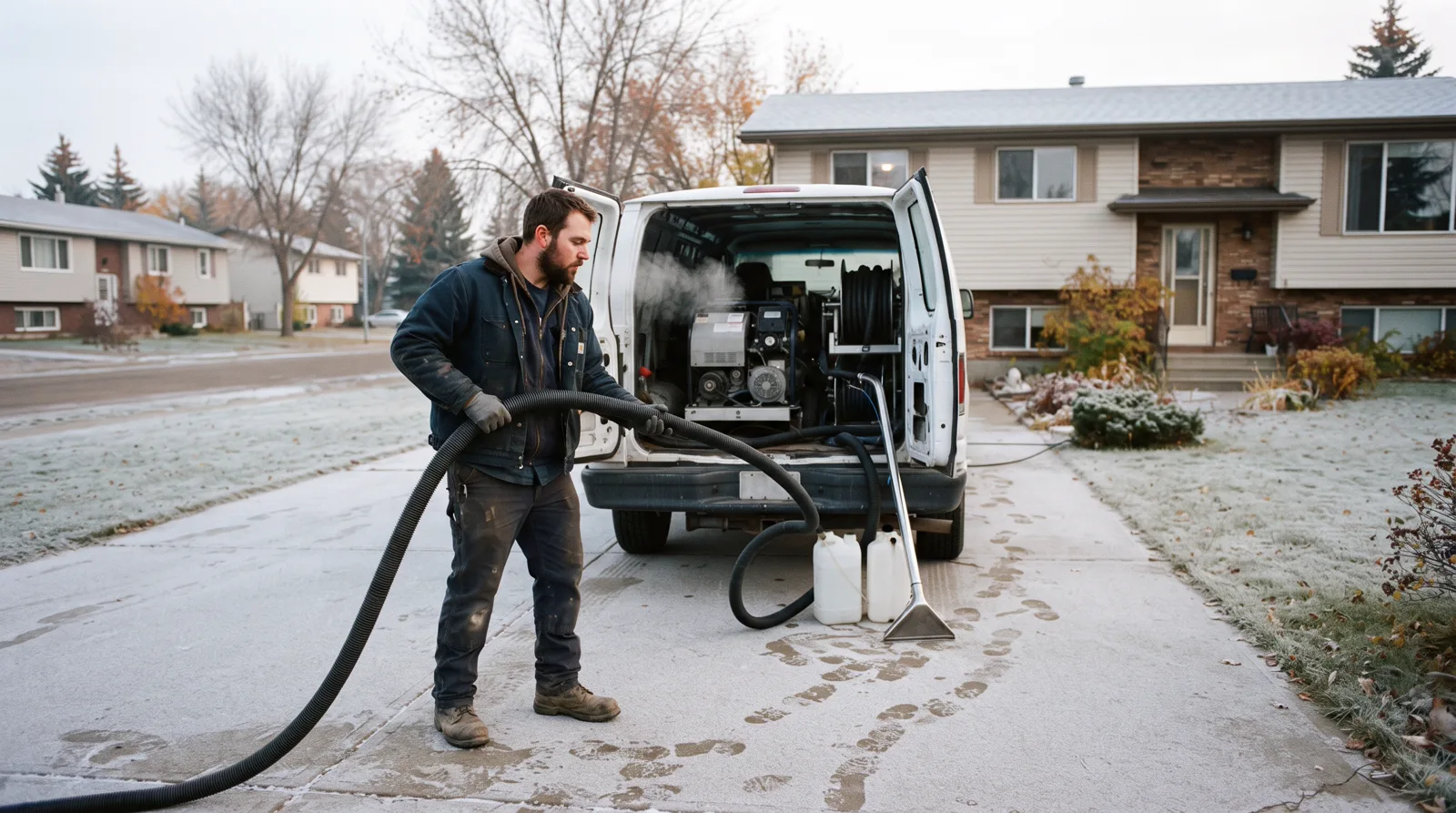
Carpet Cleaning in Spruce Grove Deep. Fast. Local.
Match with a verified carpet cleaning pro in under an hour. Steam cleaning, pet treatment, and upholstery care from technicians with confirmed insurance and equipment standards.
Carpet and Upholstery Services
From routine steam cleaning to emergency water extraction, we match you with pros who have the gear and the track record.
Residential Steam Cleaning
Hot water extraction for living rooms, bedrooms, stairs, and hallways. Handles high-traffic wear, embedded dirt, and allergen buildup. Most homes with standard carpeting fall in the $180 to $280 range for main floor coverage.
Pet Stain and Odor Removal
Enzyme treatment and sub-surface extraction for urine, vomit, and feces stains. Addresses pad saturation and repeat-marking odors. Pricing depends on stain count, age, and whether pad replacement is needed.
Upholstery Cleaning
Fabric sofas, armchairs, dining chairs, and ottomans. Matched to pros with upholstery-specific tools and solutions for microfiber, linen, velvet, and synthetic blends. Leather conditioning available through select providers.
Area Rug Cleaning
In-home or pickup service for wool, silk, synthetic, and antique rugs. Pricing by square footage and fiber type. Pros with rug-specific equipment confirmed before dispatch for delicate or high-value pieces.
Scotchgard and Protectant
Stain-resistant coating applied after cleaning. Extends carpet life in high-traffic areas and homes with kids or pets. Reapplication recommended every 12 to 18 months depending on wear.
Emergency Water Extraction
Urgent response for basement floods, appliance leaks, and sewer backups. Truck-mounted extraction and air mover setup to prevent mold. Insurance documentation provided by the pro handling the job.
Why Alberta Carpets Need Local Expertise
🧂 Road Salt and Spring Mud Season
March and April bring calcium chloride tracked in from roads and driveways. Standard vacuuming pushes salt crystals deeper into fibers, causing white residue and accelerated wear. Pros matched through our network use pre-treatment rinses to dissolve salt before extraction, preventing the crunchy texture and premature breakdown common in high-traffic entryways.
❄️ Dry Winter Air and Static Buildup
Indoor humidity drops to 15% or lower from November through February, creating static cling that attracts dust and pet hair to carpet fibers. Technicians account for this by adjusting solution pH and using anti-static rinses during winter cleaning, which helps carpets stay cleaner longer between services.
🌬️ Chinook Wind and Humidity Swings
Rapid temperature shifts from chinooks cause indoor humidity to spike, then crash within 24 hours. This affects drying time and can trigger mold if carpets stay damp too long. Pros we connect you with monitor moisture levels and adjust air mover placement to account for these swings, particularly in basement suites.
🐕 Pet-Friendly Climate Realities
Dogs and cats spend more time indoors during extreme cold snaps, increasing accidents and odor concentration. Enzyme treatments need to penetrate carpet backing and sometimes the subfloor to fully neutralize ammonia. The pros in our network confirm enzyme brand and application method before starting pet remediation work.
What it costs here
Everything You Need to Know About Carpet Cleaning in Spruce Grove
When to clean, what methods work in Alberta's climate, and how to avoid the mistakes that waste money or damage fibers.
What Professional Carpet Cleaning Actually Involves
Professional carpet cleaning in Spruce Grove relies almost exclusively on truck-mounted hot water extraction, often called steam cleaning though water temperature sits closer to 93°C than true steam. The professional we connect you with brings a gas or diesel extraction unit mounted in a van or trailer. That unit heats water to near-boiling, mixes it with pH-balanced detergent, and injects it deep into carpet fibers under 200 to 500 PSI pressure. Within seconds, a vacuum system pulls the water, detergent, soil, allergens, and dissolved grime back through a separate hose into a waste tank. This simultaneous inject-and-extract action flushes contaminants from the base of carpet pile, not just the surface, without saturating backing or pad when done correctly.
The equipment gap between rentals and professional truck mounts is enormous. A typical Rug Doctor operates at 50 to 60 PSI with a small onboard vacuum. It wets carpet but lacks extraction power to pull moisture and soil back out, leaving carpets damp for 24 to 48 hours. Truck-mounted systems generate 10 times the suction and four times the pressure, flushing and extracting in one pass and leaving carpets lightly damp, dry to touch within 4 to 6 hours. The heat kills dust mites, mold spores, and bacteria that survive rental cleaning, and stronger vacuum removes dead material instead of grinding it into pile.
A standard residential cleaning covers wall-to-wall carpet and requested upholstered furniture. The technician pre-treats high-traffic zones, spots, and set-in stains with enzyme or solvent-based chemicals matched to stain type. Protein stains like blood or pet accidents get enzyme treatment. Oil-based stains like grease or makeup get solvent. Tannin stains like coffee or wine get acid rinse. After pre-treatment sits for 5 to 10 minutes, main extraction passes begin. The technician works in overlapping rows, making one wet pass and one dry pass per section, moving furniture as needed unless you opted for floors-only service. After extraction, a neutralizer or fiber rinse removes detergent residue that would attract dirt later. The entire process for a typical 1,500 square foot bungalow takes 90 minutes to two hours, not counting dry time.
Why Spruce Grove and Parkland County Carpets Face Unique Challenges
Spruce Grove's continental climate swings 60°C between January lows and July highs, driving a freeze-thaw cycle from October through April. Every time boots cross the threshold, they carry snow melt, road salt, sand, and clay soil that crews spread on highways and streets. Road salt here is calcium chloride or magnesium chloride, both hygroscopic, pulling moisture from air and staying wet long after snow melts. That wet salt grinds into carpet fibers and holds moisture there, creating ideal conditions for mold and bacteria to colonize pile and backing. A single winter of tracked-in salt can cut carpet lifespan in half if not extracted before spring.
Parkland County acreage owners face compounding factors. Gravel driveways and unpaved roads generate fine silica dust coating vehicles, boots, and pet fur. Chinook winds in winter suspend that dust and carry it indoors through door seals and ventilation. Spring melt turns gravel into mud packing into boot treads and pet paws. Dogs and cats track in herbicide and pesticide residues from treated fields, plus manure, grass clippings, and pollen. Rural well water often carries higher minerals than Spruce Grove municipal supply, so DIY carpet cleaning with well water leaves calcium and magnesium deposits that attract dirt and turn carpets gray. Professional equipment uses heated soft water or adds softeners to avoid mineral staining.
Indoor air quality becomes critical during Alberta winters when homes stay sealed for five months. Carpets trap dust, pollen, pet dander, skin cells, and volatile organic compounds from furniture and paint. A typical bedroom carpet holds up to four times its weight in embedded soil and biological material. When the furnace cycles, it stirs settled dust back into breathing zones. Families with young children on floors, or anyone with asthma or allergies, notice symptoms worsen mid-winter despite regular vacuuming. Hot water extraction removes deep particulate load vacuuming cannot reach, often cutting household dust by 40 to 60 percent for weeks. That shows up as fewer nighttime coughing fits, less congestion, and reduced need for antihistamines.
Warning Signs Your Carpets Need Professional Cleaning
Traffic lanes are the first visible indicator. High-use paths between front door and kitchen, down hallways, and in front of sofas turn darker than surrounding carpet. That discoloration is soil ground into pile base, abraded fiber tips, and residue from previous DIY cleaning that never rinsed out. If you can outline the traffic pattern clearly, carpet holds pounds of embedded soil vacuuming will not remove. Left untreated, abrasive grit acts like sandpaper, wearing fibers until backing shows. Once worn to backing, no cleaning restores appearance. Professional extraction every 12 to 18 months prevents permanent wear by pulling abrasive particles out first.
Odors that return hours after vacuuming point to contamination deep in the pad or subfloor. Pet urine is the most common culprit. When a dog or cat urinates on carpet, liquid soaks through the face yarn, backing, and into the foam or felt pad underneath. Urine crystals bond to pad fibers and remain there, releasing ammonia vapor whenever humidity rises or someone steps on the spot. Enzyme treatments break those crystals down, but only if enzyme reaches the contaminated layer. Surface spot cleaning never penetrates deep enough. Professional equipment injects enzyme solution under pressure to saturate the pad, then extracts it with dissolved urine salts. If odor persists after professional cleaning, the subfloor may be contaminated, requiring pad replacement and sealing. Ignoring the smell does not make it go away. It intensifies as bacteria in the pad multiply.
Allergy symptoms that improve when you leave and worsen when you return suggest indoor allergen accumulation. Dust mite fecal matter, pet dander, mold spores, and pollen settle into carpet pile and resist removal by standard vacuums, especially without HEPA exhaust filters. When you walk across carpet, footsteps compress and release particles back into air at face height for anyone sitting or lying nearby. Professional hot water extraction heats fibers to temperatures that denature dust mite proteins and kill active mites, then vacuums out dead matter and droppings. Clients report clearer sinuses, better sleep, and less morning congestion within 24 hours. If symptoms return within two to three months, furnace filters may be undersized or overdue, recirculating allergens faster than cleaning can address.
Cleaning frequency depends on household activity. A couple with no pets and shoes-off policy can go 18 to 24 months between cleanings. A family with two children, one dog, and regular traffic needs cleaning every 10 to 12 months. Homes with multiple pets, acreage living, or smokers should schedule cleaning every 6 to 9 months. High-traffic spaces like rental units or home offices may need quarterly service. Waiting until carpets look dirty costs more because set-in soil and wear require extra treatments and longer dwell times. Preventive cleaning on a schedule maintains appearance and extends carpet life three to five years beyond reactive cleaning. Most carpet warranties require professional cleaning every 12 to 18 months to remain valid.
The Professional Carpet Cleaning Process from Start to Finish
The process begins with a walk-through inspection. The technician examines carpet type, identifies stains and problem areas, checks color fastness, and measures square footage. Wool, silk, and natural fiber carpets require different chemistry and lower heat than synthetic nylon or polyester. Some stains like rust or bleach damage cannot be reversed and need disclosure up front. The technician tests an inconspicuous area for dye stability by applying solution and blotting with white cloth. If color transfers, carpet is not colorfast and extraction could cause bleeding. Dry powder cleaning may be safer, though less effective. The inspection takes 10 to 15 minutes and results in a firm quote before work starts.
Pre-treatment comes next. The technician applies enzyme, solvent, or oxidizing agents to spots and traffic lanes, agitates with a brush or rotary machine, and lets them dwell 5 to 15 minutes. Dwell time is critical. Enzymes need time to break protein bonds, solvents need time to dissolve oils. Rushing leaves stains partially treated. While pre-treatment sits, the technician sets up the truck mount, running hoses from van to work area. Hose runs over 75 feet lose pressure, so truck parks close to entry. For distant rooms, the truck may move mid-job or a portable extractor handles those areas.
Hot water extraction follows pre-treatment. The technician makes overlapping passes with a floor wand, injecting heated solution at 200 to 400 PSI and immediately vacuuming it back. The wand head glides slowly, about one foot per second, to allow dwell time for heat and detergent to work. Two passes per section are standard: one wet pass to inject and loosen soil, one dry pass to extract maximum moisture. The technician works from the farthest corner toward the exit to avoid walking on cleaned carpet. Furniture gets moved, cleaned underneath, and set back on foam blocks or plastic tabs to keep wood or metal legs from staining damp carpet. Upholstery follows the same method but uses a smaller handheld tool with gentler pressure to avoid saturating cushion fill. Total extraction time for a 1,500 square foot home averages 60 to 90 minutes.
Post-cleaning steps include neutralizing rinse, grooming, and airflow setup. A final rinse with acidic or neutral pH solution removes alkaline detergent residue left in pile. Residue acts like a dirt magnet, so thorough rinsing is essential. The technician grooms carpet with a pile brush to lift flattened fibers and speed drying. Opening windows, turning on ceiling fans, and running furnace fan in continuous mode reduces dry time from 8 hours to 4 or 5 hours. You can walk on carpet immediately in clean socks or indoor shoes, but avoid heavy traffic and keep pets off until fully dry. Most carpets feel dry within 4 to 6 hours and reach full cure within 24 hours. You receive a post-cleaning checklist covering maintenance and care.
What Carpet Cleaning Costs in Spruce Grove and Parkland County
Professional carpet cleaning in the Tri-Region typically runs $120 to $350 for a standard three-bedroom home, depending on square footage, carpet condition, and the method used. Expect to pay $0.25 to $0.50 per square foot for hot water extraction, the most common deep-clean method, with minimum service charges of $100 to $150 even for a single room. Upholstery adds $60 to $150 per piece for sofas and chairs, and area rugs cost $2 to $5 per square foot when cleaned off-site with specialty equipment. Pet stain treatment, protectant application, and deodorizing add $25 to $75 each, and moving heavy furniture can tack on another $50 to $100 if the tech needs to shift beds, dressers, or entertainment centres.
The biggest cost driver is square footage, but the type of soiling matters just as much. Light maintenance cleaning on lightly used carpet costs far less than treating ground-in dirt, pet urine, or red wine stains that require pre-treatment, multiple passes, and enzyme digesters. Carpet fibre type also affects pricing: nylon and polyester are straightforward, but wool, silk, or antique rugs need pH-balanced solutions and lower heat, which takes more time and care. Homes with stairs see a premium of $3 to $7 per step because the wand has to be manoeuvred vertically and the tech is working bent over. Basements with low-hanging ducts or tight corners also slow the job and can push the price up 10 to 15 percent.
Hidden costs creep in when the estimate doesn't account for heavy pre-treatment or extra drying time. Some pros quote by the room without measuring, then charge overage fees when your living room turns out to be 400 square feet instead of the assumed 250. Others add fuel surcharges for jobs in Parkland County acreages or tack on a trip fee if you cancel within 24 hours. Always ask whether the quote includes pre-vacuuming, furniture moving, and post-clean grooming, or whether those are extras. A clear, itemized estimate in writing before the tech starts prevents surprise line items on the final invoice.
Comparing Carpet Cleaning Methods
Hot water extraction, often called steam cleaning, is the workhorse method for deep residential cleaning in Alberta. A truck-mounted or portable machine sprays hot water mixed with detergent into the carpet fibres under pressure, then immediately vacuums the slurry back out along with dirt, allergens, and residues. The heat and agitation break down oils and grime that vacuuming alone cannot touch, and the extraction removes most of the moisture, leaving carpets damp but not soaked. Drying takes four to eight hours with good airflow, longer in a basement or during humid summer days. This method works well for nylon and polyester carpets and is the default choice for general maintenance and moderate soiling.
Dry cleaning methods use minimal or no water, relying instead on absorbent compounds, solvents, or encapsulation polymers that crystallize dirt so it can be vacuumed away. Bonnet cleaning, common in commercial settings, scrubs the surface with a rotating pad soaked in cleaning solution, lifting soil into the pad fibres. These low-moisture approaches dry in one to two hours and avoid the risk of over-wetting or mildew, making them a good fit for glued-down carpet, moisture-sensitive backings, or situations where you need the room back in service quickly. The trade-off is that dry methods clean only the top third of the pile and leave deeper soil and allergens behind, so they are better suited to light maintenance than deep restoration.
Which Method for Which Situation
Hot water extraction is the right call for annual or semi-annual deep cleans, homes with kids or pets, and any carpet that has not been professionally cleaned in over a year. It pulls out the ground-in dirt, dander, and dust mite waste that builds up at the base of the fibres and triggers allergies. If you have visible traffic lanes, matting, or a musty smell, you need the thoroughness of extraction. Dry cleaning makes sense for quick touch-ups between deep cleans, for commercial spaces that cannot go offline for half a day, or for delicate natural fibres that cannot tolerate heat and moisture. Some pros use a hybrid approach, pre-treating stains with hot water extraction and then finishing with a low-moisture encapsulation pass to speed drying and leave a crisp finish.
Equipment Quality Makes the Difference
Truck-mounted extraction units generate more heat and suction than portable machines, meaning faster drying and better soil removal, but they are limited to homes where the van can park within 50 metres of the door and run hoses inside. Portable extractors sacrifice some power for access, making them the only option for high-rise condos, detached garages, or rural acreages with long driveways. Wand design and operator technique matter as much as the machine: a skilled tech overlaps passes, adjusts water flow to match soil load, and avoids over-wetting, while a rookie floods the carpet and leaves it soggy. Ask what equipment the pro uses and whether it is maintained on a regular service schedule. Clogged jets, weak vacuum motors, and dirty solution tanks all hurt performance and leave residues that attract dirt faster after the clean.
Mistakes and Contractor Traps to Avoid
The biggest mistake homeowners make is choosing a carpet cleaner based solely on the lowest price. A $99 whole-house special often means the tech will upsell aggressively once inside, pushing stain protection, deodorizer, and scotchgard at marked-up rates, or the cleaning itself will be so rushed and surface-level that the carpets look dingy again within a week. Another common error is not moving furniture or picking up clutter before the crew arrives, then paying hourly rates while the tech shifts your belongings instead of cleaning. Pre-vacuuming also falls on the homeowner in many contracts: if you skip it, the extractor just turns dry soil into mud and grinds it deeper into the pile.
Beware pros who refuse to provide a written estimate or who quote over the text without seeing the home. Carpet condition, layout, and access all affect the job, and a responsible cleaner will walk the space or at least ask for photos and measurements before committing to a number. Red flags include no business name on the truck or uniform, cash-only payment with no receipt, and vague answers when you ask about insurance . If the pro cannot or will not confirm that they carry liability protection and are registered for workers compensation, you are exposed if they damage your flooring, injure themselves, or flood your basement and disappear.
Warranty and satisfaction guarantee language is another trap. Some companies promise a re-clean if you are not happy, but bury conditions in the fine print: you have to call within 24 hours, the re-clean only covers the originally treated areas, or the guarantee is void if you moved furniture yourself. Others claim their process is certified by a carpet manufacturer or industry body, but the certification is just a paid membership with no real standards. Ask exactly what the guarantee covers, how long you have to report a problem, and what remedy you can expect. A legitimate pro will return to address missed spots or lingering odours without charging a second trip fee, and that promise should be spelled out clearly on the invoice.
How to Hire the Right Carpet Cleaning Pro
Start by asking for proof of current liability insurance and active WCB registration. A professional cleaner working in Alberta must carry commercial general liability coverage in case their equipment damages your home or their cleaning solution discolours your carpet. WCB registration protects you from being held responsible if the tech is injured on your property. Responsible operators will email or show you certificate of insurance documents without hesitation, and you can verify WCB status online through the provincial registry. If a pro hedges, changes the subject, or says coverage is not necessary for a small job, walk away. The risk is not worth the savings.
Get at least two written, itemized estimates that break out the per-square-foot rate, pre-treatment costs, protectant fees, and any travel or minimum charges. Compare not just the total price but what is included: does the estimate cover moving light furniture, or is that extra? Is post-clean grooming part of the service, or will the tech leave without resetting the pile? Does the drying time estimate account for basement moisture and Alberta's dry winter air, or is it a generic four-hour figure that may not hold? A detailed quote signals a pro who has thought through the job, while a one-line number suggests guesswork and potential for dispute when the invoice arrives.
Ask what equipment and solutions the company uses, and whether those are safe for your household. If you have pets, kids, or anyone with asthma or chemical sensitivities, you need to know whether the detergent is low-VOC, fragrance-free, or certified by a third party for indoor air quality. Inquire about drying time and what you can do to speed it: should you open windows, run fans, turn up the heat? A good tech will explain the process, offer tips for protecting the clean carpet, and give you realistic expectations for how long the results will last. If the pro rushes through your questions or makes exaggerated claims about permanent stain removal or cleaning that lasts for years, that is a sign of inexperience or overselling.
How Tri-Region Services Helps
Tri-Region Services connects you with one vetted, insured carpet cleaning professional in Spruce Grove, Stony Plain, or Parkland County who has been confirmed to hold current liability coverage . You submit one request through the platform, and we match you with a local pro whose method, equipment, and schedule fit your needs. The pro provides a free written quote based on your square footage, carpet type, and any stain or odour issues you flag, with no obligation to proceed. This saves you the time and uncertainty of cold-calling five companies, comparing vague estimates, and hoping you picked someone reliable. The workmanship guarantee comes from the pro doing the work and is confirmed in writing up front, so you know exactly what remedy you have if the results fall short.
How What Every Pro Tells Us At Signup
You get matched with technicians who meet concrete standards, confirmed fresh before every job.
Insurance Confirmed
Liability coverage stated at signup.
Recent Review History Checked
The pro you get matched with has completed jobs in the past 90 days with verified customer feedback.
Pricing Locked Before Work Starts
The technician provides a written quote covering scope, add-ons, and total cost before equipment comes off the truck.
Equipment Standards Verified
Truck-mounted or portable extractor specs confirmed to meet minimum PSI and heat thresholds for effective cleaning.
Response Window Committed
The pro confirms an arrival window before dispatch and notifies you if delays occur en route.
Workmanship Guarantee Documented
The technician doing your job provides a written workmanship commitment covering re-cleaning if spots reappear within the specified period.
This page is not tied to a contractor's brand. Leads route straight to your one local partner. Verified reviews can appear here once that partner has them (never fabricated).
Serving the whole Tri-Region
7 Common Questions About Carpet Cleaning
How often should I get carpets cleaned in Alberta's climate?+
Will steam cleaning work in winter when indoor humidity is already low?+
How do I handle road salt stains on carpet near entryways?+
How long does carpet take to dry after steam cleaning?+
Is pet stain and odor removal actually guaranteed to work?+
Do I need to move furniture before the technician arrives?+
Can area rugs be cleaned in place, or do they need to go offsite?+
Can upholstery be cleaned at the same time as carpets?+
Get your free quote
Tell us what you need and a local pro will get right back to you.
- ✓ Sent straight to a local business
- ✓ You choose who you hire
- ✓ Free, with no obligation