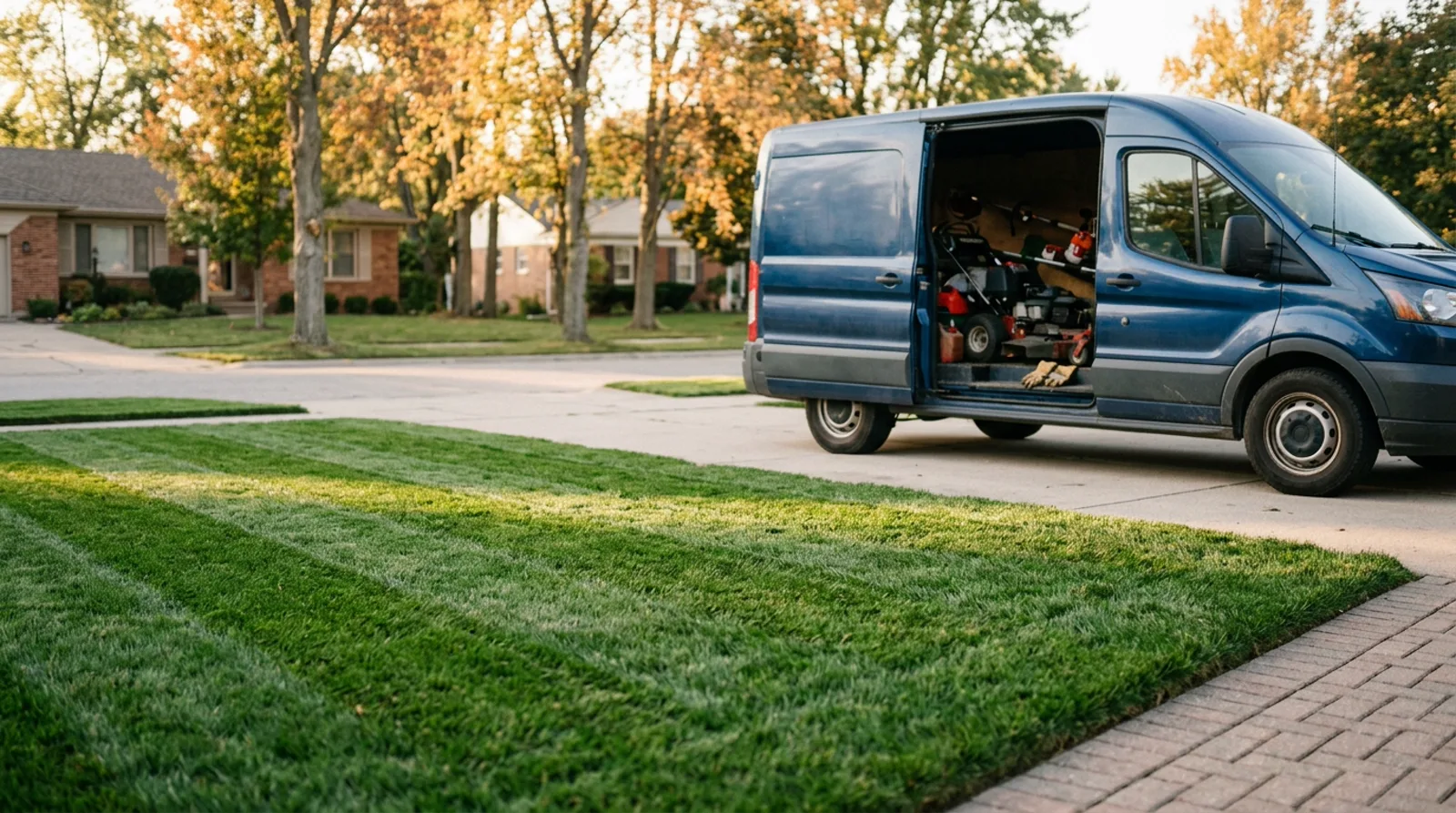
Commercial Lawn Care That Keeps Parkland County Properties Looking Sharp
From office parks to industrial yards, get matched with vetted local lawn care pros who understand Alberta's short growing season and deliver consistent results.
Commercial Lawn Services Across Parkland County
From weekly maintenance to seasonal overhauls, the pros we match handle properties of all sizes.
Weekly Mowing & Edging
Scheduled cuts during the growing season, typically May through September. Pricing scales with lot size. Contractors bring commercial zero-turn mowers and handle clippings, edging, and blowing.
Spring Cleanup
Post-thaw debris removal, bed prep, and first cut of the season. Parkland County properties often need extra attention after chinook cycles and freeze-thaw damage. Includes sweeping parking areas and hauling away winter debris.
Fall Cleanup & Winterization
Leaf removal, final mow, bed clearing, and irrigation blowout before freeze-up. Critical in Parkland County where early hard frosts can arrive in late September. Prevents snow mold and turf damage over winter.
Turf Fertilization & Weed Control
Seasonal fertilizer programs and selective herbicide application for commercial turf. Most pros recommend three to four applications between April and September to handle Alberta's short window and heavy weed pressure.
Shrub & Hedge Trimming
Seasonal pruning for ornamental shrubs, hedges, and foundation plantings. Timing matters in Parkland County: spring bloomers get trimmed after flowering, fall pruning risks winter dieback on tender species.
Tree Pruning & Removal
Deadwood removal, crown thinning, and full tree removal when needed. Certified arborists handle larger trees. Parkland County properties often have mature poplars and spruce that need periodic maintenance or storm damage cleanup.
Why Parkland County Commercial Properties Need Local Expertise
🌬️ Chinook Wind & Freeze-Thaw Cycles
Parkland County experiences rapid temperature swings in shoulder seasons. Turf that thaws and refreezes repeatedly suffers crown damage. Contractors familiar with the area time fall fertilization and irrigation shutdown to minimize winter kill.
❄️ Short Growing Season, Heavy Snow Load
The mowing window runs roughly May through September, with first and last cuts dictated by soil conditions, not the calendar. Snow arrives early and sits heavy on ornamental shrubs: pros prune and stake accordingly to prevent breakage.
🏞️ Rural & Acreage Properties
Many Parkland County commercial sites sit on larger lots or interface with agricultural land. Weed pressure from surrounding fields is high. Contractors often recommend perimeter treatments and use commercial-grade equipment to handle acreage-scale mowing efficiently.
⚖️ WCB & Liability Requirements
Alberta commercial property owners carry exposure if an uninsured worker is injured on-site. The pros we match carry liability insurance accounts and commercial liability coverage stated at signup. You get documentation to satisfy your insurer and protect your business.
What it costs here
Everything You Need to Know About Commercial Lawn Care in Parkland County
From choosing a contractor to seasonal timing, here's how to keep your property looking professional year-round.
What Commercial Lawn Care Actually Involves in Parkland County
Commercial lawn care goes well beyond weekly mowing. For business properties in Parkland County, Acheson, Spruce Grove and Stony Plain, a complete program includes spring cleanup and dethatching to remove winter debris and dead grass layers that block moisture and nutrients. Mowing happens on a fixed schedule, typically weekly during peak growth from May through August, with height adjustments based on grass variety and heat stress. Edging along sidewalks, curbs and landscape beds keeps the property looking intentional rather than neglected. Most programs include line trimming around signage, building foundations, utility boxes and fence lines where mowers cannot reach. Fall aeration and overseeding repair summer damage and prepare turf for Alberta's freeze cycles.
Fertilization runs on a calendar tied to Parkland County's short growing season. A spring application in late April or early May feeds the initial green-up after frost. A second round in June supports peak growth and heat resistance. A fall application in September builds root mass before dormancy and helps the turf survive freeze-thaw stress and chinook winds through winter. Commercial properties with high foot traffic or shaded areas often need additional nitrogen to compensate for compaction and reduced photosynthesis. Weed control targets dandelions, clover, thistle and crabgrass through selective herbicides applied when weeds are actively growing but before seed heads form. Timing matters in Alberta because a late spring or early fall frost can render treatments ineffective or damage stressed turf.
Irrigation management becomes critical during Parkland County's dry stretches. Many commercial properties rely on underground sprinkler systems that need spring startup, mid-season adjustments and fall blowouts to prevent freeze damage. Professionals calibrate zones based on sun exposure, soil type and grass density to avoid overwatering shaded areas or underwatering high-traffic zones. Seasonal contracts often include sprinkler inspection to catch broken heads, clogged nozzles and controller failures before they create dead patches or water waste. Properties without irrigation depend on monitoring weather patterns and applying supplemental water during July and August heat waves when natural rainfall drops below two inches per month.
Why Parkland County's Climate Makes Professional Commercial Lawn Care Essential
Alberta's freeze-thaw cycles punish amateur lawn care. Parkland County regularly swings from minus 20 Celsius overnight to plus 5 during the day in March and April, then reverses in October and November. Turf that enters dormancy weak or thin suffers root heaving, crown exposure and winter desiccation from chinook winds. Commercial properties cannot afford dead zones that take weeks to recover in spring while competitors' properties green up and look established. Professional programs time the final mowing height, last fertilizer application and fall watering to harden turf against freeze stress without encouraging late-season growth that dies back and creates thatch.
Hail hits Parkland County and Acheson multiple times per growing season. A severe July storm can shred leaf blades, compact soil and create entry points for fungal disease. Properties that rely on periodic mowing with no recovery plan end up with brown patches, weed infestations and bare soil by August. Professionals assess damage within 48 hours, apply potassium to reduce stress, overseed damaged areas and adjust irrigation to support recovery without promoting disease. The difference between a property that bounces back in two weeks versus one that stays scarred until the next spring often comes down to immediate post-hail intervention.
Soil in Parkland County ranges from heavy clay to sandy loam depending on proximity to historic waterways. Clay soils compact under foot traffic and equipment, reducing oxygen exchange and water infiltration. Compacted turf develops shallow roots that cannot access deep moisture during dry spells or anchor against chinook wind. Core aeration pulls plugs to relieve compaction, but timing and equipment matter. Aerating when soil is too dry creates dust and surface disruption with no lasting benefit. Aerating too late in fall leaves open cores vulnerable to freeze damage and weed seed establishment. Commercial contractors judge soil moisture, plan aeration windows around weather forecasts and follow up with topdressing or overseeding to maximize the benefit of opened soil.
Warning Signs Your Commercial Property Needs Professional Lawn Care
Patchy turf with visible bare soil signals underlying problems beyond missed mowing. Common causes include compaction from delivery vehicles or foot traffic, shade from building overhangs or mature trees, grading issues that pool water or create dry pockets, and pet damage from tenants or visitors. A property with scattered dead zones looks neglected to customers and prospective tenants regardless of building condition or signage quality. Bare soil invites weed germination, erodes during heavy rain and creates mud that tracks into entryways. Once bare patches exceed 20 percent of total turf area, overseeding without correcting the root cause delivers poor results because new grass faces the same conditions that killed the original stand.
Weed density above 30 percent shifts the property from turf with weeds to weeds with turf. At that threshold, selective herbicides struggle to kill weeds without stressing the remaining grass, and the visual impact degrades curb appeal faster than building maintenance can offset. Dandelions, clover and thistle seed aggressively, so a property that ignores control in May will have triple the weed count by July. Tenants and customers notice because weeds signal low investment in property upkeep. Business owners in competitive retail or office markets cannot afford the perception that management does not care about details.
Uneven turf with ruts, depressions or raised crowns creates trip hazards and liability exposure. Freeze-thaw heaving pushes roots and soil upward in spring, leaving bumps that catch feet or damage mower decks. Vehicle traffic over saturated soil in early spring compresses turf and creates ruts that hold water, kill grass and turn to mud. A commercial property with visible surface irregularities risks tenant complaints, slip-and-fall claims and municipal code violations if sidewalk adjacencies create accessibility barriers. Professional lawn care includes monitoring surface conditions, flagging hazards and coordinating repair before minor issues escalate to legal or insurance problems.
The Commercial Lawn Care Process from Request to Ongoing Maintenance
The process starts with a site visit to measure turf area, identify problem zones and document existing conditions. Professionals walk the property to note sun and shade patterns, irrigation coverage, soil drainage, high-traffic corridors and obstacles like utility boxes or landscape beds. They assess current turf density, weed pressure and visible damage from compaction, disease or pest activity. Measurements determine material quantities for fertilizer, seed and herbicide applications. Photos document baseline conditions so progress and seasonal changes can be tracked objectively. The site visit typically takes 30 to 60 minutes for properties between 5,000 and 20,000 square feet.
Scope definition translates site observations into a service calendar. A basic package includes mowing, edging and trimming on a weekly schedule from May through September, with reduced frequency in April and October as growth slows. Mid-tier programs add spring and fall fertilization, weed control and aeration. Comprehensive plans layer in soil testing, disease monitoring, irrigation management and seasonal overseeding. Frequency adjusts to property use, budget and aesthetic standards. A medical clinic or retail storefront with high daily traffic will prioritize consistent appearance and schedule mowing twice weekly during peak growth. An industrial property with minimal visitor access can extend mowing intervals to every 10 days and focus budget on weed control and erosion prevention.
Seasonal execution follows Alberta's compressed growing calendar. Spring cleanup happens as soon as soil firms up after frost, typically mid to late April in Parkland County. Debris removal, thatch raking and early mowing set the baseline. First fertilizer application coincides with soil temperatures reaching 10 Celsius consistently, which triggers active grass growth. Weed control starts in May when dandelions and broadleaf weeds are young and herbicides achieve maximum uptake. Summer service focuses on mowing height management to avoid heat stress, irrigation adjustments during dry spells and monitoring for disease or insect damage. Fall aeration occurs in late August or early September while soil is still warm enough to promote root growth before dormancy. Final mowing in late October leaves turf at three inches to resist snow mold and wind desiccation through winter.
Ongoing monitoring ensures the program adapts to weather, disease pressure and property changes. Professionals flag concerns like irregular brown patches that could indicate grub damage, fungal rings that need treatment or irrigation zones that are over or under-watering. They adjust fertilizer rates if growth is excessive or stunted, modify mowing height during heat waves and recommend overseeding if traffic or stress thins turf density below acceptable levels. Communication happens through site visit reports, tagged photos and direct contact when urgent issues arise. Commercial property managers receive documentation of completed services, products applied and recommendations for next steps, creating a record that supports lease agreements, tenant expectations and property value assessments.
What Commercial Lawn Care Costs in Parkland County
Commercial lawn maintenance pricing in Parkland County, Spruce Grove, Stony Plain and Acheson typically ranges from $150 to $600 per visit for small to mid-sized properties, with larger industrial sites, multi-building complexes or acreages running $800 to $2,500 monthly depending on scope and frequency. These figures assume weekly or bi-weekly mowing during the growing season, April through October, with spring cleanup, aeration, fertilization and fall leaf removal billed separately. Monthly retainer contracts usually offer better per-visit rates than on-call service, and many providers discount properties that bundle multiple services like shrub trimming, bed maintenance or snow removal into a year-round agreement.
Property size drives the base cost, but complexity matters just as much. A flat two-acre industrial yard with minimal landscaping costs far less per square metre than a half-acre office park with mature trees, mulched beds, ornamental grasses and tight corners around signage and parking islands. Slope, soil type and irrigation access all affect labour hours and equipment needs. Properties with poor drainage, heavy clay common around Stony Plain, or compacted soils near loading docks require more frequent aeration and may need specialized equipment. Edging along extensive sidewalks, curbs or decorative borders adds time, as does navigating around parked vehicles, outdoor seating or customer traffic during business hours.
Alberta's climate introduces seasonal cost swings that commercial clients need to budget for. Spring cleanup after snowmelt and chinook-driven freeze-thaw cycles often reveals winter damage, compacted turf and debris accumulation that requires extra labour in April and early May. Hail storms, particularly severe in Parkland County during June and July, can shred turf and require emergency mowing or cleanup outside the regular schedule. Dry spells mean irrigation adjustments and possible dormancy management, while wet years bring faster growth, more frequent mowing and increased fungal pressure requiring preventive treatments. Fall cleanup, including leaf removal and final mow before snow, typically costs $300 to $1,200 depending on tree cover and property size.
Watch for add-on fees that aren't always spelled out in base quotes. Disposal fees for grass clippings, leaves or yard waste can add $50 to $200 per visit if the property lacks space for composting or if local bylaws restrict on-site disposal. Fuel surcharges, common when diesel prices spike, are sometimes billed as a percentage or flat monthly fee. Emergency call-outs for storm damage cleanup, irrigation breaks flooding turf, or pre-event grooming before open houses or inspections usually carry premium rates, $200 to $500 above standard pricing. Some providers charge extra for properties requiring WCB clearance letters, site-specific safety plans or after-hours access, all standard requests for commercial sites with active construction, industrial operations or restricted entry protocols.
Comparing Your Commercial Lawn Care Options
Service Models and Package Options
Full-service commercial lawn care packages bundle mowing, trimming, edging, blowing and debris removal into a flat weekly or bi-weekly rate, typically $180 to $500 per visit for properties under three acres. These contracts often include seasonal services like spring aeration, fertilization programs, weed control and fall cleanup, either bundled into the monthly retainer or billed as scheduled add-ons. Full-service providers handle everything from blade sharpening to equipment repair, carry commercial liability coverage and WCB, and usually assign dedicated crews to your property for consistency. This model works well for multi-tenant buildings, retail plazas or office parks where property managers need predictable budgets and minimal oversight.
Basic mowing-only service costs less, $120 to $300 per visit, but shifts responsibility for edging, trimming, fertilization and cleanup to the property owner or a separate contractor. Some businesses prefer this approach when they have in-house maintenance staff handling detail work, or when budget constraints require prioritizing curb appeal over comprehensive turf health. The risk is fragmented accountability, especially when problems like weeds, thin turf or pest damage arise and each contractor points to gaps the other should have covered. Mowing-only contracts also exclude most seasonal treatments, so properties need separate quotes for aeration, overseeding or weed control, and coordinating multiple vendors increases administrative load.
A la carte pricing lets you pay only for services you need, useful for properties with minimal landscaping, seasonal operations or irregular schedules. Aeration runs $200 to $800 per treatment depending on acreage and soil compaction, fertilization programs cost $300 to $1,200 annually for three to four applications, and weed control treatments range from $150 to $500 per visit. Bed maintenance, shrub trimming and mulch topdressing are often quoted separately, $100 to $600 per visit based on bed size and plant density. This model offers budget flexibility but requires more planning and vendor management, and per-service rates are usually higher than bundled contract pricing.
Equipment and Application Methods
Commercial-grade zero-turn mowers, the standard for properties over one acre, deliver fast, even cuts and tight maneuverability around obstacles, but their weight can compact wet soils or damage turf during spring thaw if operators aren't careful. Stand-on mowers offer similar speed with less ground pressure, a better fit for properties with clay soils prone to rutting or areas with high water tables. Reel mowers produce the cleanest cut for high-visibility turf like front lawns at corporate offices or retail entrances, but they're slower, require more frequent blade sharpening and cost more per visit. Mulching mowers return clippings to the soil, reducing fertilizer needs and disposal fees, while bagging setups remove clippings entirely, necessary where aesthetics matter or when mowing after heavy rain leaves clumps.
Granular fertilizer and weed control applications use broadcast spreaders, reliable and cost-effective for large open areas but less precise near bed edges, sidewalks or water features where overspray can burn plants or violate environmental regulations. Liquid spray applications allow targeted treatment, better for spot-weeding, pest control or turf disease management, and modern equipment minimizes drift. Organic programs, growing in popularity for properties near playgrounds, daycare centres or environmentally sensitive areas, rely on compost-based fertilizers, corn gluten weed suppressants and beneficial microbe inoculants. These methods cost 20 to 40 percent more than synthetic programs and show slower visible results, but they build long-term soil health, reduce chemical exposure and align with corporate sustainability policies.
Frequency and Seasonal Scheduling
Weekly mowing from May through September keeps commercial properties looking sharp during peak growing season, essential for customer-facing businesses like retail centres, medical offices or hospitality properties where curb appeal directly affects foot traffic and tenant satisfaction. Bi-weekly service costs 30 to 40 percent less and works for lower-traffic industrial sites, back office buildings or properties with slower-growing turf varieties, though spring growth spurts after rain or warm snaps may require interim cuts to avoid scalping when returning to regular height. Properties with automated irrigation, common around Acheson industrial parks, often need weekly mowing year-round during wet years, while non-irrigated sites can stretch to bi-weekly or even monthly cuts during July and August dry spells when turf goes dormant.
Seasonal scheduling affects both cost and results. Early spring contracts starting in April, before most growth begins, lock in better rates and ensure crews are available when chinook winds and sudden warm-ups trigger rapid green-up. Providers booked solid by May often charge premium rates for mid-season starts or refuse new clients until fall. Fall overseeding and aeration, ideally completed by late September before freeze-up, repair summer stress, fill in thin areas and establish deep roots before winter, but scheduling conflicts with harvest activity, early snow or contractor availability mean properties that wait past early October often miss the window entirely. Year-round contracts bundling lawn care with snow removal offer the best per-service rates, dedicated crew assignment and priority response, though they require committing to a single vendor for both seasons.
Avoiding Common Contractor Mistakes and Traps
Many commercial property owners skip verifying liability insurance and liability insurance, a critical mistake in Alberta where injured contractors without liability insurance can sue property owners directly for medical costs, lost wages and damages. Legitimate commercial lawn care providers carry minimum $2 million general liability coverage and maintain liability insurance clearance letters confirming all workers are covered. Request certificates before signing, confirm the policy covers the specific work being done, and verify WCB account numbers directly online rather than trusting photocopied documents that could be outdated or altered. Properties that allow uninsured or non-compliant contractors on-site face serious financial and legal exposure, and commercial insurance policies often exclude claims arising from work performed by uninsured subcontractors.
Vague contracts without clear scope definitions are another common trap. Agreements that say 'weekly lawn maintenance' but don't specify mowing height, edging frequency, clipping disposal, trimming around obstacles or cleanup standards leave room for disputes when results don't match expectations. Good contracts define mowing height in centimetres, list exactly which areas get edged and trimmed, specify disposal methods for clippings and debris, outline timing windows for arrival and completion, and include photos or site maps marking beds, no-mow zones and access points. Seasonal services like aeration, fertilization or weed control should list product types, application rates, timing and any weather-related reschedule policies. Without these details, property owners have little recourse when crews skip edging, leave clippings on walkways or apply treatments that burn turf.
Reliability issues surface when contractors overbook, especially during peak spring and fall demand. Crews that consistently arrive late, skip scheduled visits without notice or send different workers unfamiliar with your property's layout and expectations undermine the consistency commercial properties need. Warning signs include providers who can't confirm specific service days, rely on weather as a blanket excuse for delays beyond reasonable rain postponements, or rotate crews so frequently that no one remembers gate codes, irrigation quirks or damage-prone areas. Legitimate professionals assign dedicated crews or route managers to commercial accounts, communicate proactively about schedule changes and build site familiarity that improves quality over time.
Lowball quotes often hide costs in fine print or rely on under-qualified crews using consumer-grade equipment that can't handle commercial workloads. Bids that come in 40 percent or more below other qualified estimates usually mean the provider is skipping insurance, paying workers under the table to avoid WCB, using worn equipment that scalps turf or misses patches, or planning to upsell aggressively once the contract is signed. Other traps include evergreen contract clauses that auto-renew without notice, requiring 60 or 90 days written termination even when service quality has dropped, and penalty fees for mid-season cancellation that lock you into poor performance. Read renewal terms carefully, negotiate reasonable exit clauses and establish performance benchmarks tied to contract continuation.
Hiring the Right Commercial Lawn Care Pro
Start by confirming the provider specializes in commercial properties, not just residential add-ons. Commercial work requires larger equipment, faster workflows, crew coordination, business-hours reliability and familiarity with property management protocols, site safety plans and tenant relations. Ask how many commercial accounts they currently service, what property types they handle and whether they assign dedicated crews or route-based coverage. Request client references from similar property types, retail plazas if you run a strip mall, office parks if you manage a corporate campus, and follow up to ask about consistency, communication and how the provider handles problems. A contractor whose experience is mostly residential driveways and backyard lawns will struggle with the scale, speed and stakeholder complexity commercial sites demand.
Key questions include what equipment they use, how they handle wet weather delays, who supervises crews and how quickly they respond to service issues or damage claims. Ask whether they carry digital site maps or photos documenting your property's layout, access points, irrigation zones and sensitive areas, a sign of professional systems rather than relying on crew memory. Confirm their process for reporting completed work, some use apps or photo logs, and whether they provide seasonal turf health reports or proactive treatment recommendations. Clarify billing cycles, payment terms, late fees and dispute resolution procedures. Providers who answer these questions with specific systems and documentation show operational maturity, those who respond vaguely or get defensive about details likely lack the infrastructure commercial properties require.
When comparing quotes, evaluate the total annual cost including seasonal treatments, not just per-visit mowing rates. A provider quoting $250 per mow but charging $800 for spring cleanup, $600 for aeration, $900 for fertilization and $700 for fall cleanup may cost more over the season than a full-service contract at $400 per visit with treatments included. Check what happens when weather, equipment breakdowns or crew shortages cause delays, whether you're credited for missed visits or if the contract considers a visit complete once rescheduled within a loose window. Compare insurance coverage limits, WCB compliance, contract flexibility and the provider's track record handling Alberta's unpredictable weather, hail damage response and chinook-driven spring chaos. The cheapest quote is rarely the best value when reliability, compliance and long-term turf health matter.
How Tri-Region Services Helps
Tri-Region Services routes your commercial lawn care request to one thoroughly vetted local pro with confirmed liability coverage, serving Parkland County, Spruce Grove, Stony Plain and Acheson. Instead of searching through listings, calling multiple providers and sorting credentials yourself, you submit one request and receive a detailed written quote from a qualified contractor matched to your property type, scope and schedule. The pro we connect you with visits your site, assesses turf condition, access requirements and any Alberta-specific challenges like compacted clay, chinook wind exposure or spring drainage issues, then provides a transparent breakdown covering mowing frequency, seasonal treatments and all costs.
Every contractor in the network tells us they carry commercial insurance before dispatch, and familiarity with local commercial property standards means fewer surprises around contract terms, safety documentation or site-specific protocols. You communicate directly with the matched pro to finalize details, adjust scope or schedule services, keeping the process straightforward and locally accountable. Whether you manage a retail plaza, office complex, industrial yard or multi-tenant building, Tri-Region Services eliminates the guesswork and connects you with a reliable commercial lawn care provider ready to deliver the consistency and curb appeal your property demands.
How We Match You With the Right Commercial Lawn Care Pro
Every contractor in the Tri-Region network is screened before dispatch. You get responsive local pros, not a call center.
Insurance on file
liability insurance accounts and commercial liability coverage stated at signup. You receive documentation for your records.
Local to Parkland County
The contractors we connect you with operate in the Tri-Region and know Alberta climate, soil, and seasonal timing.
Written Scope & Pricing
The matched pro provides a written quote covering services, timing, and pricing before work begins. No surprise invoices.
Commercial-Grade Equipment
Pros carry zero-turn mowers, commercial blowers, and truck-mounted equipment suitable for larger properties and tight schedules.
Direct Communication
Once matched, you deal directly with the contractor. They confirm arrival windows, adjust schedules, and handle service questions without a middleman.
Workmanship Guarantee
The pro doing the work stands behind it. Service guarantee terms are confirmed in writing before you commit.
This page is not tied to a contractor's brand. Leads route straight to your one local partner. Verified reviews can appear here once that partner has them (never fabricated).
Serving the whole Tri-Region
8 Common Questions About Commercial Lawn Care in Parkland County
What does commercial lawn maintenance in Parkland County typically include?+
How much does commercial lawn mowing cost in Parkland County?+
Do commercial lawn care providers carry liability insurance?+
What's the difference between residential and commercial lawn care?+
How often should commercial properties be mowed during the growing season?+
What tree and shrub pruning services are available for commercial properties?+
When is the best time for spring and fall cleanup in Parkland County?+
How do I get matched with a commercial lawn care provider in Parkland County?+
Get your free quote
Tell us what you need and a local pro will get right back to you.
- ✓ Sent straight to a local business
- ✓ You choose who you hire
- ✓ Free, with no obligation