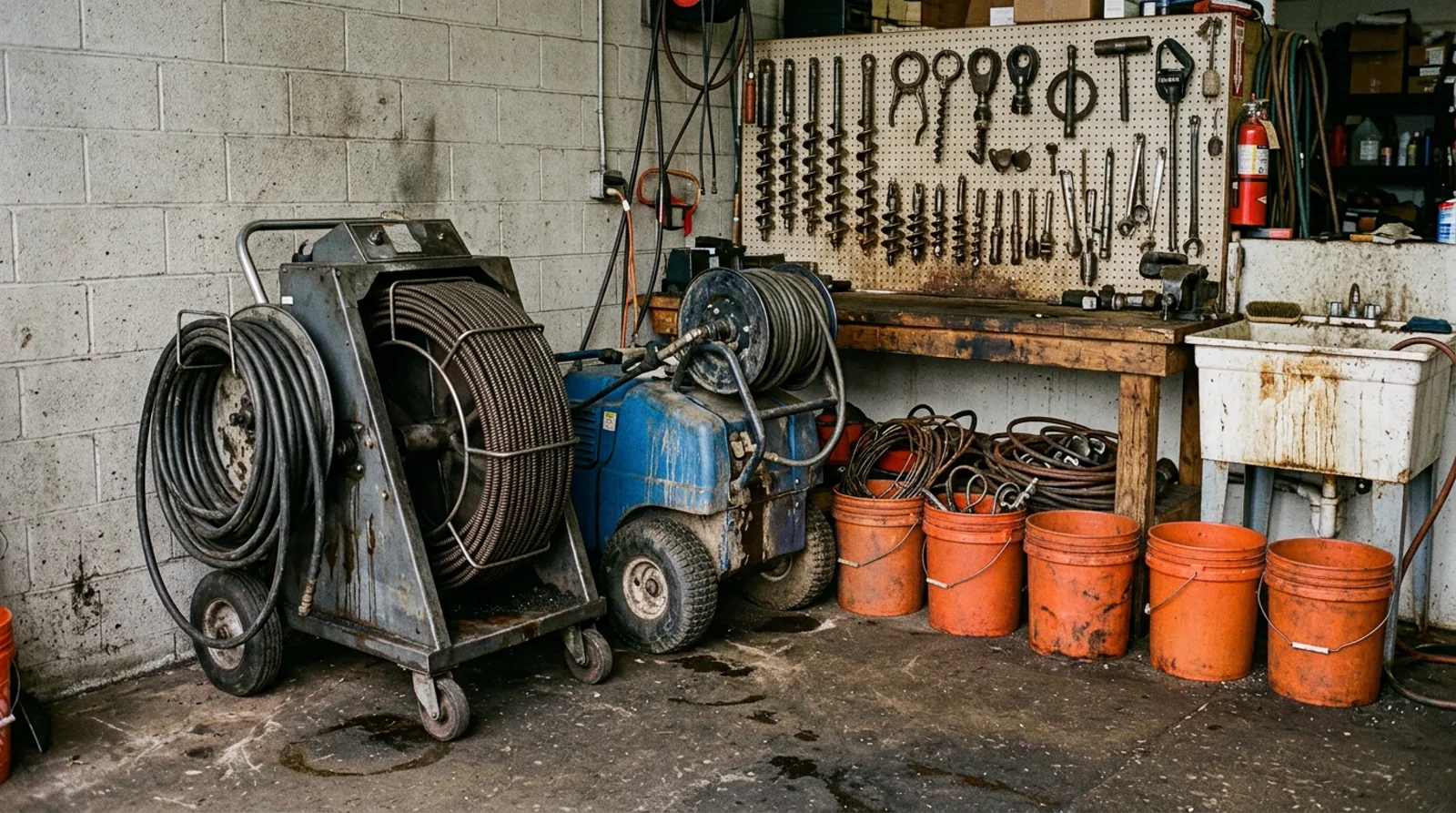
Drain Cleaning Spruce Grove: Clear Your Clogs Fast
From kitchen sinks to main sewer lines, local pros diagnose and clear blockages using cameras, snakes, and hydro jetting. Urgent requests prioritized across the Tri-Region.
Complete Drain & Sewer Services
From simple sink clogs to deep main line blockages, local pros handle every type of drain problem in residential and light commercial properties.
Sink & Bathtub Drain Clearing
Kitchen grease buildup, bathroom hair clogs, soap scum blockages. We snake or hydro jet the line, then run a camera to confirm the pipe is clear and check for root intrusion or bellied sections that could cause repeat problems.
Toilet Auger & Closet Flange Repair
Clogs beyond the trap, foreign objects lodged in the bend, or a cracked closet flange leaking into your subfloor. Local pros extract the obstruction or pull the toilet to replace the flange and wax ring, common in older Spruce Grove homes with cast iron stacks.
Main Sewer Line Cleaning
Tree roots, collapsed clay tile, grease accumulation in your 4-inch main. We access the line through a cleanout or pull a toilet, then run a power auger or hydro jet. Camera inspection maps the full line from your house to the property line or municipal connection.
Video Camera Inspection
Pinpoint cracks, root masses, bellied sections, or offset joints without digging. We record the footage, mark depths, and provide a digital report. Essential before buying a resale home or diagnosing recurring backups. Free when bundled with main line cleaning.
Hydro Jetting & Descaling
High-pressure water cuts through years of grease, mineral scale, and root hair better than a cable auger. We use up to 4,000 PSI on cast iron or ABS mains. Required for commercial kitchens and older Parkland County acreages with long lateral runs and mature poplars.
Frozen Drain Line Thawing
Floor drains, exterior hose bibs, or shallow sewer laterals frozen during January cold snaps. We use electric thaw machines or steam, never open flame. Common in Acheson shop buildings and rural properties where lines run through unheated crawlspaces or lack proper bedding depth.
Why Drains Clog Here
🌳 Poplar & Willow Roots
Spruce Grove, Stony Plain, and Parkland County acreages have aggressive root systems that infiltrate clay tile and even ABS joints. Roots follow moisture in dry summers and can fill a 4-inch pipe in 18 months. Annual or biennial jetting prevents full blockages and basement flooding.
🧊 Freeze-Thaw & Shallow Laterals
Alberta code requires sewer lines 8 feet deep in frost-protected zones, but older rural properties and some 1970s Spruce Grove subdivisions have shallower runs. Chinook cycles crack clay tile, and frost heave can offset joints, creating sags where waste accumulates and clogs form.
🏚️ Cast Iron & Orangeburg Legacy Pipe
Homes built before 1985 in Spruce Grove often have cast iron stacks that corrode from the inside, or Orangeburg (tar paper) laterals that collapse under soil pressure. Camera inspection reveals the pipe material and condition so you can budget for spot repair or full replacement before a catastrophic failure.
💧 Hard Water & Mineral Buildup
Groundwater in Parkland County and Acheson carries high calcium and magnesium. Over years, scale narrows galvanized and copper drain lines, especially in floor drains and laundry standpipes. Hydro jetting strips the buildup, but recurring problems often require a water softener or pipe replacement.
What it costs here
How to Choose, Maintain, and Troubleshoot Your Drains
Everything you need to know about drain cleaning methods, pipe materials, camera inspection, costs, and preventive maintenance for Tri-Region homes.
How Professional Drain Cleaning Actually Works in Spruce Grove Homes
Professional drain cleaning in Spruce Grove involves far more than pouring chemicals down a pipe and hoping for the best. Licensed plumbers use specialized equipment to physically remove blockages, inspect pipe interiors, and restore full water flow without damaging your plumbing system. The process begins with diagnostic work to identify the exact location and nature of the clog, whether it sits in a single fixture trap, a branch line, or the main sewer connection. This assessment determines which tools and techniques will clear the obstruction most effectively while protecting your pipes from unnecessary stress or chemical erosion that can create bigger problems down the road.
The two primary methods are mechanical augering and hydro jetting, each suited to different blockage types and pipe conditions. Drain snakes or augers use rotating cables tipped with cutting heads to break through clogs mechanically, pulling back debris or pushing it through to wider pipes. These cables range from small handheld versions for sink traps to motorized drum augers that reach 30 metres or more into main sewer lines. Hydro jetting employs high pressure water streams, typically between 3,000 and 4,000 PSI, delivered through specialized nozzles that scour pipe walls clean of grease buildup, soap scum, mineral deposits, and tree root intrusions. The forward thrust of water cuts through blockages while rear facing jets propel the hose deeper into the line, creating a self advancing cleaning action.
Modern drain cleaning often includes video camera inspection before and after the cleaning process, particularly for chronic problems or older Spruce Grove homes built before 1990. A waterproof camera mounted on a flexible rod travels through your pipes, transmitting real time footage to a monitor above ground. This reveals not just the clog itself but underlying issues like bellied pipes, root penetration points, corrosion, or improper slope that cause recurring backups. The plumber sees exactly what lies 2 metres underground or inside walls, eliminating guesswork and allowing targeted repairs rather than excavating your entire yard hoping to find the problem. Camera inspections cost between $250 and $450 as a standalone service but prove invaluable when repeated cleanings fail to solve the issue permanently.
Why Spruce Grove and Parkland County Homes Face Persistent Drainage Issues
The specific soil and climate conditions around Spruce Grove, Stony Plain, and Parkland County create drainage challenges that differ markedly from other Canadian regions. Our heavy clay soil, known locally as gumbo, expands dramatically when wet and contracts during dry periods, shifting around underground pipes and creating stress points where connections separate or crack. This clay also drains poorly, meaning standing water around sewer lines promotes root intrusion as trees and shrubs send feeder roots toward the moisture source. Older neighbourhoods with mature poplar, willow, and elm trees experience aggressive root growth that can completely fill a 100 millimetre sewer line within 18 to 24 months after initial penetration through a tiny crack or loose joint.
Alberta's extreme freeze thaw cycles compound these problems in ways that milder climates never experience. Winter temperatures in Spruce Grove regularly hit minus 25 Celsius or colder, freezing the ground to depths of 1.2 to 1.8 metres depending on snow cover and cold snap duration. When chinook winds arrive and temperatures swing 20 degrees in a few hours, the resulting ground movement can shift pipes, crack fittings, and dislodge sections that appeared stable for decades. Water that seeps into tiny pipe cracks during fall freezes solid, expanding with tremendous force that widens the damage. Come spring melt, you suddenly face backups that never occurred before because that winter damage created new intrusion points for roots and sediment.
Hard water throughout the region leaves another lasting impact on drain performance over time. Spruce Grove municipal water and rural well water both carry high mineral content, primarily calcium and magnesium, that gradually builds up inside pipes as a white or grey scale. Kitchen drains carrying grease see this mineralization accelerate because fats bind with minerals to create stubborn deposits that narrow pipe diameter year after year. A 100 millimetre drain line can effectively function as a 65 millimetre pipe after 15 years of scale accumulation, drastically reducing flow capacity. This explains why homes built in the 1980s and 1990s suddenly need regular drain cleaning despite working fine for their first two decades. The problem intensifies in Acheson industrial properties where process water and heavy use create rapid buildup compared to residential flow patterns.
The Real Warning Signs That Your Drains Need Professional Attention
Slow Drainage and Standing Water
The earliest indication of developing blockages appears as gradually slower drainage from sinks, tubs, or showers, often so gradual that homeowners adapt without realizing the change. Water that once drained in 5 seconds now takes 15 or 20, pooling noticeably before disappearing. Kitchen sinks show this first because they handle the most solid debris and grease, but bathroom drains follow as hair and soap scum accumulate. If multiple fixtures drain slowly simultaneously, the blockage sits in a shared branch line or the main sewer rather than individual traps. This distinction matters because a single slow sink might clear with simple augering, while multiple fixtures signal a larger obstruction requiring professional hydro jetting or camera inspection to locate and remove.
Standing water that appears in your basement floor drain, lowest bathroom, or laundry tub when you run water upstairs indicates a serious main line restriction. Water seeks the lowest exit point, so when the main sewer cannot accept the volume flowing into it, pressure forces wastewater back up through the nearest low drain. This often happens after heavy laundry days, long showers, or when running dishwasher and washing machine simultaneously. Parkland County homes on septic systems may mistake this for tank fullness, but septic backups typically occur gradually over weeks as the tank fills, whereas drain line clogs appear suddenly. Testing this involves running significant water for 3 to 5 minutes while watching your lowest drain; if water rises there, you have a main line blockage that needs immediate professional clearing before it causes a sewage backup inside living spaces.
Unusual Sounds and Odours
Gurgling noises from drains, toilets, or tubs when you use other fixtures reveal trapped air being displaced by water trying to flow past a partial blockage. When a drain line cannot move water and air freely, the air gets pushed back through the nearest vent or fixture, creating that distinctive bubbling sound. You might hear the tub gurgle when the toilet flushes, or the kitchen sink glug when the washing machine drains. These sounds indicate negative pressure in the system, which occurs when blockages restrict airflow through proper vent pipes. Spruce Grove homes built before 1985 often have undersized or improperly configured vents that amplify these symptoms, but the underlying cause remains a drainage restriction that needs mechanical clearing rather than vent modifications.
Persistent sewer odours inside your home signal either a dried trap, a venting problem, or most seriously, a crack or separation in drain lines allowing sewer gas to escape into wall cavities or beneath floors. While dried traps smell temporarily until you run water to refill the trap seal, odours that persist after running water for 30 seconds indicate actual line damage or a significant clog where waste sits stagnant rather than flowing away. These smells concentrate near floor drains, basement bathrooms, or exterior cleanout caps. Winter exacerbates the issue because cold temperatures slow bacterial breakdown of waste in lines, intensifying odours while frozen ground prevents gas from escaping through soil. If you smell sewage particularly when wind blows from certain directions or when temperatures drop, you likely have both a blockage and a damaged section of pipe that needs camera inspection to pinpoint the exact failure location before excavation begins.
Toilet Performance Changes
Toilets provide the clearest indication of main sewer line problems because they have the most direct connection to that line and move the largest volume of water in single flushes. A toilet that suddenly requires multiple flushes, has a weak swirl, or does not clear the bowl completely suggests the drain path has restricted flow. More concerning, if the toilet bowl water level rises higher than normal after flushing then slowly drains down over 5 to 10 minutes, a blockage sits downstream in the line. This differs from a worn flapper or fill valve issue, which affects tank function rather than drainage. Testing involves flushing and watching bowl water level immediately after the flush completes; it should drop quickly to the normal standing level within 10 seconds rather than hovering high before gradually receding.
Multiple toilets affected simultaneously, especially on different floors, definitively points to main sewer line blockage rather than individual fixture problems. When only one toilet acts up, the issue might be the toilet itself or the short connection between toilet and main stack. When two or more toilets show identical symptoms, the obstruction sits in shared infrastructure downstream from all affected fixtures. Stony Plain homes with basement and main floor bathrooms see this frequently when tree roots infiltrate the main line 3 to 6 metres from the house foundation. The blockage allows minimal flow during light use but cannot handle full volume from multiple flushes, causing backups that clear slowly between uses. This intermittent pattern often leads homeowners to delay calling professionals, but the blockage grows larger each week as more debris catches on the initial obstruction, ultimately causing a complete backup that floods the basement with sewage if not addressed promptly.
The Professional Drain Cleaning Process From Initial Call to Completed Work
The service begins with a detailed phone consultation where you describe the symptoms, affected fixtures, and frequency of problems. This information helps the plumber arrive with appropriate equipment rather than making multiple trips. Be specific about whether the issue affects one fixture or several, how long symptoms have existed, when they worsen (morning, evening, after laundry), and whether you have attempted any DIY clearing methods. Chemical drain cleaners matter because strong acids or bases can react dangerously with professional equipment or create toxic fumes when combined with other chemicals. Mentioning your home's age and any previous drain work provides context about likely pipe materials and whether old repairs might contribute to current issues. Expect questions about tree locations, especially large poplars or willows within 10 metres of the home, as this immediately suggests root intrusion as the probable cause.
Upon arrival, the plumber conducts a physical assessment starting at the problem fixture and working toward the main sewer connection. They locate your cleanout access points, which are typically white or black PVC caps at ground level near the foundation or occasionally inside basement floor drains. Homes in older Spruce Grove areas sometimes lack proper cleanouts, requiring the plumber to access the drain through a roof vent or remove a toilet to reach the line directly. The plumber may run water through fixtures while listening at drain access points to determine flow patterns and blockage location. For main line issues, they test flow at the cleanout before beginning actual clearing work, establishing baseline conditions and confirming that the blockage lies between the cleanout and the municipal connection rather than inside household drains. This diagnostic phase takes 15 to 30 minutes but prevents wasted effort clearing the wrong section of pipe.
Actual clearing work depends on blockage location and severity, with straightforward clogs taking 45 minutes to 90 minutes while complex root infiltrations or multiple restrictions may require 3 to 4 hours of work. The plumber feeds an auger cable through the cleanout or other access point, advancing until hitting resistance then rotating the cutting head to break through the obstruction. You will hear the motor sound change when the cable encounters the clog versus running free in open pipe. Once the initial breakthrough occurs, the plumber continues advancing and retracting the cable several times to thoroughly clear the line rather than just poking a small hole through the blockage. They test flow by running significant water volume, confirming full drainage before concluding the mechanical work. For persistent issues or suspected damage, camera inspection follows the cleaning to verify complete clearing and check for underlying pipe problems. The plumber explains findings with visual evidence on the camera monitor, showing you exactly what caused the backup and whether preventive measures or repairs will be necessary to avoid recurrence.
After completing the work, the plumber provides documentation including the location and nature of the blockage, the method used to clear it, and recommendations for prevention or necessary repairs. If camera inspection revealed root intrusion, you receive information about the penetration location relative to surface landmarks, typically measured in metres from the foundation toward the street. This documentation proves valuable for insurance claims if the issue resulted from sudden pipe failure, and helps future service providers understand your system's history. The plumber should detail warning signs to watch for that indicate the problem is returning, expected timeframes before the issue might recur (roots can regrow into cleared lines within 12 to 18 months), and whether hydro jetting or pipe repair should be scheduled proactively rather than waiting for another emergency backup. Professional companies in Spruce Grove often offer maintenance programs with annual or biannual preventive cleaning for homes with chronic issues, which costs less than repeated emergency calls and prevents sewage damage to finished basements.
What Drain Cleaning Really Costs in Spruce Grove, Stony Plain and Parkland County
Drain cleaning costs in the Tri-Region depend on the nature and location of the blockage, the access available to your plumbing, and whether you need emergency service. A straightforward kitchen sink clog that a plumber clears with a hand snake typically runs $150 to $280 during business hours. That same visit becomes $280 to $450 if you call on a Sunday evening or during a holiday. Main sewer line clearing using a motorized auger usually starts around $350 to $600 for a single visit, but if the blockage sits 60 feet into your line or tree roots have infiltrated the pipe, expect quotes in the $500 to $900 range. Hydro jetting a residential sewer line to remove grease buildup and root intrusion generally costs $600 to $1,200, depending on the length of the line and whether cleanout access already exists or needs to be installed.
Geography plays a meaningful role in pricing across the region. Plumbers serving acreages in Parkland County or rural Stony Plain often add $50 to $100 in travel charges because they spend 30 to 45 minutes driving from their Spruce Grove shop, and fuel costs matter when a truck carries a jetter unit and cable machines. Properties on municipal water and sewer in central Spruce Grove usually see the lower end of the range because access is straightforward and the plumber can arrive quickly. Septic system properties face different considerations altogether, since aggressive snaking or jetting can damage distribution pipes or baffle walls inside the tank, and responsible contractors will inspect the system before choosing a clearing method.
Emergency call-outs carry premium rates for good reason. A 2 a.m. sewer backup means the plumber leaves a warm bed, opens the shop to retrieve equipment, and works in unpleasant conditions while most of the city sleeps. Emergency rates in the region typically run 1.5 to 2 times the daytime price, so a $400 main line clearing becomes $600 to $800 after hours. Some companies also charge a dispatch fee of $75 to $125 that applies toward the total if you proceed, but you forfeit if you decline the quote after the plumber arrives. Winter adds complexity because frozen cleanouts or snow-buried access points slow the job, and plumbers may need to thaw pipes with a steam machine before they can even insert a cable, adding $100 to $200 to the bill.
What Drives the Price Higher
Several factors push drain cleaning costs toward the upper end of typical ranges. Cast iron sewer lines common in older Spruce Grove neighbourhoods near the downtown core often have rough interior surfaces where decades of corrosion create ledges that catch waste and roots. Clearing these lines takes more time and heavier equipment than smooth ABS plastic pipe, and the cable can break if the operator pushes too hard against a corroded collapse point. If your home was built before 1975, mention that age when you call for a quote so the plumber brings appropriate equipment and plans for extra time.
Difficult cleanout access significantly affects the bill. Many Tri-Region homes have the main sewer cleanout in the basement floor or behind finished drywall, requiring the plumber to move furniture, cut access panels, or work in cramped crawlspaces. Exterior cleanouts buried under 18 inches of frost in January mean the crew spends an hour with a jackhammer or a thawing torch before the actual clearing work begins, and that labour appears on your invoice. Some acreages have cleanouts 40 or 50 feet from the house in an overgrown field, requiring the plumber to haul 200 pounds of equipment through mud or snow. If you know your cleanout location is awkward, tell the contractor during the booking call so they send the right crew size and quote accurately.
Multiple blockages or systemic problems escalate costs quickly. A single toilet clog costs $180 to $260, but if the plumber discovers your main line has three separate root masses at different distances, clearing all of them might run $700 to $1,100 because each intrusion requires careful snaking and inspection. Homes with older Orangeburg fibre pipe, still present in some 1960s subdivisions near Stony Plain, often have collapsed sections that no amount of snaking will fix, turning a $400 clearing call into a $5,000 excavation and replacement job. Honest plumbers will camera the line after clearing it to confirm the drain will stay open, and that camera inspection typically adds $200 to $350 to the total but prevents you from paying twice when the blockage returns in three weeks.
Comparing Drain Clearing Methods for Alberta Homes
Hand snaking remains the most common method for clearing individual fixture drains and works well for hair clogs in bathroom sinks, soap buildup in shower drains, and minor toilet obstructions. A plumber feeds a flexible steel cable with a coiled tip into the drain, rotating it by hand or with a small drill motor to break through the blockage. This approach costs $150 to $280 for a single fixture and causes minimal wear on your pipes. The limitation is reach and power. Hand snakes typically extend 25 to 35 feet, enough for most fixture drains but inadequate for main sewer lines, and the rotating action breaks up soft blockages like paper and grease but cannot cut through dense tree roots or mineral deposits.
Motorized drain augers, often called drum machines or sewer snakes, handle main line blockages and deeper obstructions. The plumber feeds a heavy-duty cable up to 100 feet long through your cleanout, and the machine rotates the cable at high speed while the operator advances it toward the blockage. Cutting heads attached to the cable tip can slice through tree roots up to two inches thick and bore through compacted waste. This method costs $350 to $900 depending on the blockage location and the time required. The risk with aggressive snaking is pipe damage, especially in older clay or cast iron lines where the cable can catch on a crack and punch through a weakened section. Experienced operators know how much resistance is normal and when to stop and camera the line instead of forcing the cable farther.
Hydro jetting uses a high-pressure water nozzle that pulls itself through the drain while scouring the pipe walls clean. A truck-mounted or trailer-mounted pump delivers water at 3,000 to 4,000 psi through a specialized hose with forward and rear-facing jets. The forward jets cut through grease, scale and roots, while the rear jets blast debris back toward the cleanout for removal. Jetting costs $600 to $1,200 for a residential application and leaves your pipes cleaner than any other method, often restoring a 4-inch sewer line to near-original flow capacity. The drawback is that jetting can damage old or fragile pipes. If your sewer line has cracks, joint separations, or weakened sections, the high-pressure water can turn a small crack into a large break, requiring excavation and repair. Responsible contractors camera inspect the line first or reduce pressure for older systems.
When to Choose Each Method
Choose hand snaking for recent clogs in fixture drains when you can clearly identify the cause. If your bathroom sink drained fine until last week and you know your teenager has been shedding long hair, a simple snake clears the trap and drain arm for $180 to $260 with zero risk to your plumbing. This method also makes sense for toilet clogs caused by excessive paper or a toy that flushed by accident, situations where you need immediate relief and the problem is obviously localized. Hand snaking is the safest approach for homes with older galvanized steel drain lines, common in pre-1960 Spruce Grove houses, because the gentle action will not accelerate the corrosion already happening inside those pipes.
Motorized augering is the right choice for main line blockages that recur every few months or situations where you have consistent slow drainage throughout the house. If multiple fixtures drain slowly or your basement floor drain backs up when you run laundry, the problem sits in your main sewer line, and a drum machine with a root-cutting head is the appropriate tool. This method also works when you need immediate clearing and cannot wait for a camera diagnosis. Many Tri-Region plumbers will auger the line to restore flow, then camera it afterward to assess the underlying condition and recommend permanent solutions like pipe lining or replacement. Expect to pay for both services, typically $550 to $850 combined, but you get your drains working while learning whether a bigger repair is coming.
Hydro jetting makes sense when you want your lines truly clean or when you have chronic grease and root problems. Restaurants and commercial kitchens jet their drains annually to prevent buildup, and the same logic applies to large rural homes with heavy use or acreages where tree roots infiltrate the line every year. If you have had your main line snaked three times in two years, jetting removes the root network and grease coating that snaking leaves behind, often buying you 18 to 36 months before the next service. Jetting also prepares pipes for relining procedures, creating the clean surface needed for epoxy coatings to bond properly. Just insist on a camera inspection first if your home is over 40 years old or if you know your sewer line has had problems in the past.
Mistakes Homeowners Make and Contractor Traps to Avoid
The biggest mistake Tri-Region homeowners make is using chemical drain cleaners before calling a plumber. Products containing sodium hydroxide or sulfuric acid can clear minor clogs, but they also generate heat that can melt glued joints in ABS pipe, corrode metal traps, and create toxic fumes that linger in your drain system. When a plumber opens a cleanout filled with standing chemical cleaner, they face a safety hazard that many will refuse to work around until you flush the line with large volumes of water. Parkland County well water with high mineral content reacts unpredictably with some drain chemicals, sometimes forming sludge that makes the blockage worse instead of better. If you have already used a chemical product, tell the plumber immediately when they arrive so they can take appropriate precautions and avoid chemical burns or respiratory exposure.
Another common error is delaying the call until the situation becomes an emergency. Slow drains are early warnings that a blockage is forming, and clearing a partial obstruction during business hours costs $200 to $400. Waiting until Saturday night when your main line backs up sewage into the basement shower turns that same problem into an $800 emergency call, plus the cost of cleaning contaminated flooring and belongings. Many homeowners in rural areas assume septic systems are supposed to drain slowly, not realizing their drainfield is failing or their tank needs pumping, and they call a drain cleaner when they actually need a septic service. Septic tanks in the Tri-Region should be pumped every two to four years depending on household size, and ignoring that maintenance leads to solids backing into the house, a problem no amount of snaking will fix.
Watch for contractors who quote an unrealistically low price over the phone, then claim the job is more complicated after arriving and demand two or three times the original quote. Legitimate plumbers will give you a range, perhaps $350 to $600 depending on what they find, and explain the factors that could push toward the higher number. If someone promises a flat $149 main line clearing with no qualifications, they are using bait pricing to get in your door. Also avoid contractors who refuse to camera the line after clearing it or who pressure you to commit to expensive re-piping work without showing you video proof of the damage. A camera inspection costs $200 to $350 and provides clear evidence of root intrusion, cracks, bellied pipe, or whatever caused the blockage. Any contractor who says camera work is unnecessary or overpriced is either cutting corners or hiding their inexperience.
Red Flags During the Estimate
Be cautious when a contractor arrives without proper equipment visible in their truck. Professional drain cleaners carry multiple cable sizes, spare cutting heads, a camera system or access to one, and safety gear including gloves and eye protection. Someone who shows up with a single hand snake and a bucket is not equipped to handle serious blockages or diagnose underlying problems. Ask whether they have liability insurance that covers water damage and sewage contamination, and verify they carry liability insurance if they bring helpers. Legitimate contractors provide this information willingly and can email proof of insurance before starting work.
Pressure tactics around additional services deserve skepticism. If the plumber clears your drain in 20 minutes but then insists you need immediate jetting, re-piping, or excavation without showing you evidence, get a second opinion. Tree roots visible on a camera, or a collapsed pipe section, are real problems that justify additional work. Vague claims about your pipes being old or the line looking dirty are not sufficient reason to authorize thousands in extra charges. Request a copy of any camera footage and ask the contractor to mark the problem areas with distance measurements from your cleanout so another plumber can verify the diagnosis. Honest professionals welcome this transparency because it protects both parties and ensures you are making an informed decision.
How to Hire the Right Drain Cleaning Professional in the Tri-Region
Start by confirming the contractor holds a valid Alberta journeyman or master plumber ticket and carries liability insurance of at least two million dollars. Drain cleaning is plumbing work under the Alberta Safety Codes Act, and only licensed plumbers or apprentices working under supervision can legally perform it. Ask for the license number and verify it through the Alberta Apprenticeship and Industry Training system if you have concerns. Insurance matters because drain work involves risks like flooding from a broken pipe, sewage backup into your home, or damage to underground utilities if excavation becomes necessary. A contractor without adequate insurance leaves you liable for damages, and homeowner policies often exclude coverage for work performed by uninsured tradespeople.
Request references from jobs similar to yours, ideally in the same area. A plumber who specializes in new construction may have less experience with the old clay sewer lines common in central Spruce Grove, while a contractor who works mainly on acreages understands septic systems and long rural drains but may not be familiar with high-rise condo plumbing. Ask how they handle situations where the blockage cannot be cleared, whether they have their own camera equipment or subcontract that work, and what their policy is on after-hours callbacks if the drain blocks again within a few days. Reputable contractors offer some form of short-term warranty, typically 30 days, guaranteeing the blockage will not return unless you introduce new material or tree roots regrow.
Get detailed written quotes from two or three contractors before making your decision, especially for non-emergency work. The quote should specify the method they will use, whether the price includes camera inspection, how far they will cable or jet the line, and what additional charges might apply if they encounter unexpected complications like a buried cleanout or frozen access point. Compare not just the bottom-line price but also response time, equipment quality, and the contractor's willingness to explain their process. A plumber who takes time to answer your questions and educate you about your system is more likely to deliver quality work than someone who rushes through the estimate and pushes for an immediate decision. Check online reviews on Google and Facebook, paying attention to how the company responds to complaints and whether reviewers mention punctuality, cleanliness, and transparent pricing.
Questions to Ask Before Hiring
Ask what equipment they will bring and whether they own or rent it. Contractors who own their jetting units and camera systems typically have more experience and can offer better pricing because they are not passing rental costs to you. Confirm whether the quoted price includes disposal of debris pulled from the line, cleanout access if yours is buried or inaccessible, and any permits required for excavation if the situation escalates beyond simple clearing. Find out whether they work alone or with a helper, because main line work often requires two people, one operating the machine and one managing the cable to prevent kinks and breaks. Ask about their cleanup process, since drain work can be messy, and you want assurance they will protect your floors and wash down the work area before leaving.
Inquire about their availability for follow-up service if the drain blocks again. Some contractors include a 30-day warranty where they return at no charge if the same blockage recurs, while others charge a reduced rate for warranty calls. Understand what voids the warranty, which typically includes flushing inappropriate items, pouring grease down the drain, or ignoring recommendations for tree root treatment or pipe repair. Ask whether they offer maintenance plans for homes with chronic drainage issues, where they inspect and clear your lines annually for a fixed fee. These plans often pay for themselves if you currently need service every eight or nine months, and they help catch developing problems before they become emergencies.
How Tri-Region Services Helps
Tri-Region Services connects Spruce Grove, Stony Plain, Parkland County and Acheson homeowners with one carefully vetted, fully licensed and insured local drain cleaning professional. We have already done the verification work, confirming trade credentials, liability insurance, and a solid reputation for honest pricing and quality work. When you contact us, we route your information to a trusted contractor who will call you directly to discuss your specific situation, ask the right diagnostic questions, and schedule a convenient time to assess your drains in person.
You receive a free written quote before any work begins, with clear explanations of the recommended method, pricing, and expected outcomes. There is no obligation, no pressure, and no fee for the consultation. If you need emergency service, the contractor we recommend offers after-hours response across the entire Tri-Region and will give you an honest assessment of whether your situation truly requires immediate attention or can wait until morning at a lower rate. Our goal is to match you with a professional who treats your home with respect, communicates clearly, and stands behind their work with solid guarantees.
Why Homeowners Trust Us
Licensed plumbers, transparent pricing, and a track record across Spruce Grove, Stony Plain, Parkland County, and Acheson.
Alberta Licensed Journeyman Plumbers
Every technician holds a valid Alberta Apprenticeship and Industry Training ticket and carries photo ID on every call.
Insurance on file
Full Workers Compensation Board clearance and commercial general liability so your homeowner policy never sees a claim from the work performed.
Free Camera Inspection with Main Line Service
We record and email you the footage so you can see exactly what caused the clog and decide if spot repair or replacement makes sense.
Upfront Flat-Rate Pricing
You approve the quote before we start, no hourly surprises or trip charges if you proceed with the work.
Emergency Requests Prioritized
Sewage backups are flagged as emergencies and routed to available local plumbers first, day or night.
Local Tri-Region Plumbers
Every plumber in our network knows the cast iron in Westgrove, the Orangeburg in Heritage Park, and the clay tile on Parkland acreages because they work here every day.
This page is not tied to a contractor's brand. Leads route straight to your one local partner. Verified reviews can appear here once that partner has them (never fabricated).
Serving the whole Tri-Region
7 Questions About Drain Cleaning
How much does drain cleaning cost in Spruce Grove?+
What causes drains to clog in Spruce Grove and Parkland County?+
Should I use chemical drain cleaners or call a plumber?+
How does camera inspection work and do I need it?+
What is hydro jetting and when is it better than snaking?+
Can you clear a frozen drain line in winter?+
How often should I have my drains cleaned?+
Does insurance cover drain cleaning or sewer line repair?+
Get your free quote
Tell us what you need and a local pro will get right back to you.
- ✓ Sent straight to a local business
- ✓ You choose who you hire
- ✓ Free, with no obligation