Emergency Plumber Spruce Grove: Same-Hour Response for Burst Pipes & Flooding
When pipes burst at 3 a.m. or your basement floods during a chinook thaw, you need a qualified emergency plumber who answers the phone and arrives fast.
Emergency Plumbing Services We Handle Day or Night
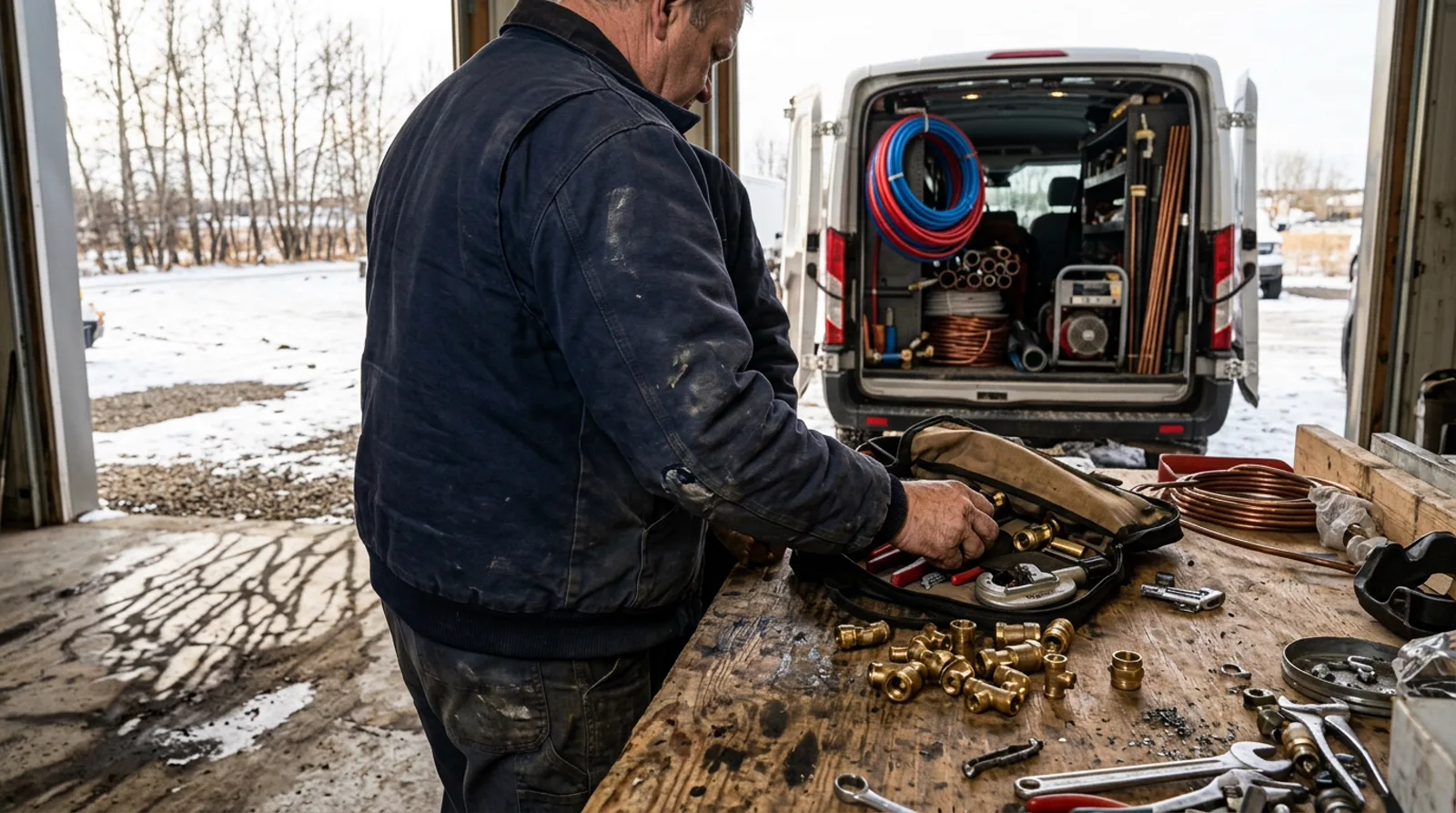
From frozen pipe ruptures to sewer backups, the plumber we send carries the parts and tools to stop the damage and restore safe water service.
Burst Pipe Repair & Water Shutoff
We locate the failed section, shut off water at the curb stop or main valve, cut out the burst length and install a code-compliant splice or coupling. Includes emergency drying advice to prevent mold in your walls. Price depends on pipe material (copper, PEX, galvanized steel) and whether drywall or ceiling access is needed.
Severe Leak Isolation & Temporary Repair
When a leak is soaking insulation or pouring into living spaces, we isolate the affected zone using quarter-turn stops or compression fittings, then perform a temporary or permanent fix depending on time of night and parts availability. We return the same day or next morning to complete permanent work if required.
Basement Flooding & Sump Pump Failure
Diagnose why your sump pit is overflowing (failed pump motor, stuck float, overwhelmed capacity, power loss), swap in a replacement pump or install a battery backup system, and clear the discharge line if frozen. In Parkland County's high water table zones, we often see pits fill faster than a single pump can handle during spring melt.
Sewer Line Backup & Mainline Clearing
When every drain in your house gurgles or sewage backs up into the lowest fixture, we run a powered cable snake or hydro-jetter through your cleanout to the municipal main. We camera-inspect if roots, bellied clay tile or collapsed ABS is suspected. Most Spruce Grove homes built before 1990 have aging clay tile vulnerable to root intrusion.
Hot Water Tank Leaks & Safety Shutdowns
A leaking tank base or rusted-through shell means immediate shutoff of the gas valve or breaker, closure of the cold supply, and drainage to prevent flood damage. We can install a temporary electric point-of-use heater for critical taps or schedule same-day tank replacement if your unit is beyond repair and you need hot water restored quickly.
Natural Gas Leak Detection & Line Isolation
If you smell mercaptan (rotten egg odor) or your CO detector alarms, local pros respond immediately, use electronic sniffers to pinpoint the leak source (appliance connector, black iron joint, CSST flex line), shut off the branch or meter, and coordinate with ATCO Gas if the leak is upstream of your meter. Safety Code permits require a gas fitter ticket for any repair or reconnection.
Why Emergency Plumbing in Spruce Grove Is Different
❄️ Chinook Freeze-Thaw Pipe Failures
Parkland County sees rapid temperature swings from plus 8 to minus 25 in 48 hours. Copper and PEX in exterior walls or unheated crawlspaces can freeze solid, then burst when thawing begins. We stock heat tape, foam pipe insulation and quick-splice fittings sized for Alberta's common 1/2-inch and 3/4-inch copper runs.
🏡 Acreage Well Systems & Pressure Tank Emergencies
Many Stony Plain and rural Parkland homes rely on private wells with bladder tanks and jet pumps. When a bladder ruptures or the pressure switch fails, you lose all water. The plumber carries 20-gallon and 40-gallon replacement tanks, diagnoses waterlogged symptoms and restores pressure, usually in a single visit.
🌲 Septic Field Overload & Backup Risks
Homes on septic in Acheson or highway acreages can experience emergency backups when the drainfield saturates during spring melt or heavy rain. We assess whether the issue is a plugged outlet baffle, failed effluent pump or genuine field collapse, and advise on interim pump-out versus repair urgency to keep toilets functional.
📞 After-Hours Dispatch from the Tri-Region
Our emergency line is answered by a local dispatcher who knows whether you're on municipal water or well, understands the difference between Spruce Grove's newer subdivisions and older Stony Plain bungalows, and routes the nearest truck without offshore call-center confusion. Average same-hour arrival for true emergencies within 15 kilometers of Highway 16A.
What it costs here
Emergency Plumber Spruce Grove: When to Call, What to Expect & How to Protect Your Home
A comprehensive walkthrough of Alberta's most common plumbing emergencies, immediate damage-control steps, insurance considerations and how to choose a qualified emergency plumber at 2 a.m.
What Emergency Plumbing Service Actually Involves in Spruce Grove
Emergency plumbing service means a licensed professional responds to your property within hours, not days, to stop active water damage or restore critical systems like heat or sewage disposal. In Spruce Grove, Stony Plain, Parkland County and Acheson, this service operates outside regular business hours because plumbing disasters follow no schedule. A burst pipe at 2 a.m. on a Saturday cannot wait until Monday morning when frozen conditions or compromised water supply create immediate health and safety risks. Emergency plumbers carry specialized tools, replacement parts and diagnostic equipment in fully stocked trucks so they can assess, contain and often complete repairs during the first visit without returning to a shop for materials.
The core difference between emergency and standard plumbing is response protocol and pricing structure. Emergency calls trigger an immediate dispatch system where the plumber interrupts personal time, often driving from home rather than a scheduled route. They arrive prepared for worst-case scenarios like sewer backups flooding basements, water heaters rupturing in mechanical rooms, or main line breaks flooding crawlspaces. The service includes damage containment first, meaning shutting off water supplies, extracting standing water if necessary, and stabilizing the situation before diagnostic work begins. Only after the crisis is controlled does the plumber identify root causes and explain repair options with transparent pricing before proceeding with permanent fixes.
In Alberta's climate, emergency plumbing also addresses freeze-related failures that standard appointments cannot accommodate. When overnight temperatures drop to minus thirty and pipes freeze inside exterior walls, homeowners face burst lines within hours as ice expands and ruptures copper or PEX. Emergency plumbers bring heat guns, pipe thawing equipment and thermal cameras to locate frozen sections without destroying drywall unnecessarily. They understand that Spruce Grove properties built in the 1970s and 1980s often have insufficient insulation in rim joists and crawlspaces, making certain areas predictably vulnerable during cold snaps. This historical knowledge allows faster diagnosis because experienced emergency plumbers recognize patterns specific to local construction methods and can prioritize the most likely failure points.
Alberta Climate Conditions That Create Plumbing Emergencies
Spruce Grove and surrounding areas experience extreme temperature swings that stress plumbing systems in ways milder climates never encounter. Chinook winds can raise temperatures by fifteen degrees in a few hours, causing rapid snowmelt that overwhelms exterior drainage systems and floor drains. This melt water refreezes when temperatures plummet again after sunset, creating ice dams in exterior drains, eavestroughs and downspouts that redirect water into basement window wells and foundation cracks. The freeze-thaw cycle repeats throughout winter, gradually weakening pipe joints, expanding hairline cracks in fixtures, and loosening compression fittings that fail suddenly under pressure. Emergency calls spike during these transition periods because systems that survived stable cold weather fail when temperatures oscillate.
Deep Frost Penetration and Pipe Burial Depth
Alberta's frost line extends roughly 1.8 to 2.1 metres below grade, deeper than many other Canadian regions. Municipal water and sewer lines must sit below this depth to avoid freezing, but the transition from deep municipal infrastructure to shallow residential plumbing creates vulnerable points. Where service lines enter homes through foundation walls, the pipe travels through the frost zone for a critical section. If exterior grading settles or insulation degrades, this entry point freezes first during prolonged cold spells. Emergency plumbers in Parkland County regularly respond to calls where the homeowner has water pressure inside the house but no flow, indicating a freeze in the service line between the curb stop and the foundation.
Properties on acreages face additional risks because longer service line runs mean more pipe exposure to frozen ground. A home 100 metres back from the road has significantly more vulnerable pipe than an urban lot with a five metre service connection. Wells on rural properties introduce different emergency scenarios where pressure tanks, well lines and pump systems freeze in outbuildings or poorly insulated mechanical rooms. Emergency service for these systems requires knowledge of well pump controls, pressure switches and tank bladder diagnostics that standard residential plumbers may not encounter regularly. The combination of distance from municipal services and specialized equipment makes rural emergency calls more complex and time-sensitive.
Snow Load, Ice Dams and Drainage System Failures
Heavy snow accumulation on roofs creates pressure on plumbing vent stacks that penetrate the roof membrane. When snow depth exceeds 60 centimetres, the weight can crack vent pipe boots, allowing melt water to leak around the stack and into the attic space. This water follows plumbing chases down through walls, often emerging at fixtures on lower floors far from the actual leak source. Homeowners discover water stains around upstairs toilets or first-floor ceiling discoloration, not realizing the problem originates on the roof. Emergency plumbers trace these leaks by understanding building structure and recognizing that water travels along framing members and plumbing runs, not straight down.
Ice dams along eaves prevent proper drainage, forcing melt water sideways into soffit vents, attic spaces and eventually onto interior walls. When this water reaches bathroom or kitchen plumbing chases, it saturates insulation around pipes and drains. The saturated insulation loses thermal resistance, allowing subsequent cold weather to freeze pipes that normally stay above freezing. Emergency calls during late winter often reveal this cascading failure where roof drainage problems created conditions for plumbing freezes weeks later. Addressing the immediate frozen pipe is only half the solution because the moisture damage and compromised insulation will cause repeat failures unless corrected.
How to Recognize You Need Emergency Plumbing Service Right Now
Certain situations require immediate professional response rather than waiting for regular business hours. Active water spraying from pipes, fixtures or appliance connections constitutes a clear emergency because every minute adds litres to the total water damage. A burst washing machine hose releasing ten litres per minute floods a laundry room in under half an hour, saturating drywall, subfloors and carpeting. The longer water flows, the more expensive the restoration becomes and the higher the likelihood of mould growth in wall cavities. If you cannot locate the shutoff valve for the affected fixture or the main water shutoff for the entire house, calling an emergency plumber immediately prevents catastrophic damage that exceeds the cost of after-hours service.
Complete loss of water supply during freezing weather demands emergency service because frozen pipes can burst as ice expands. When you turn on taps and nothing flows, but neighbours have water, your service line or interior pipes have frozen. Waiting until morning allows ice to expand further, increasing pressure inside the pipe until it ruptures. Emergency plumbers arrive with thawing equipment and can often restore flow before pipe failure occurs. They also identify why that particular section froze, whether from inadequate insulation, foundation cracks allowing cold air infiltration, or damaged heat trace cables on vulnerable runs. Understanding the cause allows them to recommend permanent solutions that prevent recurrence.
Sewer backups require emergency response because raw sewage presents serious health hazards and contaminates everything it contacts. If drains gurgle, toilets bubble when you run water elsewhere, or sewage appears in floor drains or basement fixtures, the main drain is blocked or the municipal sewer has backed up into your home. Standing sewage creates biohazard conditions within hours, and the longer it sits, the more it penetrates porous materials like concrete, wood and drywall. Emergency plumbers bring powered drain equipment capable of clearing main line blockages and camera systems to identify whether tree roots, collapsed pipes or municipal system failures caused the backup. They also help document the situation for insurance claims, which require prompt professional assessment.
Loss of hot water in winter, while not always urgent, becomes an emergency when vulnerable household members depend on it or when heating systems share components with domestic hot water. A failed water heater that also supplies a hydronic heating system means no space heat during cold weather, risking frozen pipes throughout the house. Similarly, homes with elderly residents, infants or individuals with medical conditions cannot safely go without hot water for bathing and sanitation. Emergency service in these cases focuses on restoring function quickly, even if temporary, and scheduling permanent repairs during business hours when parts availability and pricing may be better.
The Emergency Plumbing Response Process from Call to Completion
When you call an emergency plumber in Spruce Grove, the initial conversation establishes urgency level and begins diagnosis. The dispatcher or plumber asks specific questions about water flow, visible damage, fixture involvement and whether you have shut off any valves. They want to know if the situation is worsening, stable or temporarily controlled. This information determines response priority and helps the plumber select which tools and parts to load before leaving. If you report a burst pipe with active spraying, they instruct you on locating the main shutoff valve immediately, potentially walking you through finding it while dispatch sends the plumber. Clear communication during this call significantly affects response effectiveness because the plumber arrives prepared for the specific scenario rather than conducting initial assessment before returning to the truck for equipment.
On-Site Assessment and Immediate Containment
Upon arrival, the plumber conducts a rapid assessment focusing on stopping active damage before detailed diagnosis. They verify water shutoffs are closed properly, check for electrical hazards if water has reached outlets or panels, and identify immediate safety concerns like compromised structural members or mould contamination. For burst pipes, they confirm the break location, assess surrounding water damage and determine if any temporary measures can restore partial service while permanent repairs are planned. For drain blockages, they locate cleanout access points and test drainage flow to determine if the blockage is in the building drain or the municipal sewer.
Documentation begins immediately with photos of damage, failed components and overall conditions because insurance claims require evidence of the emergency situation. Professional emergency plumbers understand what insurers need to see and capture images that support your claim while protecting your interests. They note pre-existing conditions separately from new damage so adjusters can distinguish what the current emergency caused versus long-term issues. This documentation occurs before any repair work changes the scene, preserving evidence while also providing the plumber with reference images if questions arise later about what they encountered.
Repair Options, Pricing and Authorization
After stabilizing the immediate crisis, the plumber explains what failed, why it happened and what repair options exist. Emergency situations sometimes offer choices between temporary fixes that restore function quickly and permanent repairs that take longer or cost more. A burst pipe might receive a compression repair sleeve immediately to restore water service, with plans for proper pipe replacement during business hours when helpers and specialized materials are available. The plumber provides pricing for each option in clear ranges, such as $300 to $600 for temporary repair plus $800 to $1,400 for permanent correction, letting you decide based on budget and urgency.
Authorization to proceed happens in stages, especially for expensive repairs. The initial service call fee, typically $200 to $400 depending on time of day and travel distance to Acheson or rural Parkland County, covers assessment and minor adjustments. Actual repair work requires separate approval with pricing quoted before starting. Reputable emergency plumbers never pressure homeowners into immediate decisions on major repairs unless truly necessary to prevent ongoing damage. They explain which work must happen now versus what can wait, respecting that middle-of-the-night emergencies catch people financially unprepared for large unexpected expenses. Transparent communication about what constitutes genuine emergency work versus recommended upgrades maintains trust during stressful situations.
Completion, Testing and Follow-Up Recommendations
Once repairs are complete, the plumber tests all affected systems thoroughly before leaving. They restore water service gradually, checking for leaks at repair points and verifying proper pressure throughout the system. For drain work, they run water through all fixtures connected to the repaired line, ensuring flow is restored and no secondary blockages exist. They clean the work area, removing debris and wiping up water, though extensive cleanup from flooding is not included in plumbing service and requires separate restoration contractors. The plumber ensures you understand how to operate any new valves or components they installed and confirms the system is safe to use without supervision.
Before departing, professional emergency plumbers provide written documentation including what was done, parts used, warranty information and recommendations for preventing future emergencies. They might note that exterior pipe insulation needs upgrading, that a water heater is nearing end of life, or that main drain roots should be professionally cleared during warmer weather. These recommendations are educational, not sales pressure, because preventing emergencies benefits everyone. They also confirm their availability for follow-up questions and provide direct contact information in case problems recur. The best emergency plumbers view their role as solving immediate crises while helping homeowners understand their plumbing systems well enough to avoid future middle-of-the-night disasters.
What Emergency Plumbing Actually Costs in Spruce Grove and Parkland County
Emergency plumbing calls in the Tri-Region typically start with a callout fee ranging from $150 to $350, depending on the time of day and day of the week. Standard after-hours service, covering weekday evenings from 6 p.m. to 8 a.m., usually sits at the lower end of that range. Weekend emergencies, especially Saturday nights and all day Sunday, push toward the middle. Statutory holidays and extreme weather events like mid-January cold snaps when pipes freeze across Acheson industrial parks or hailstorms that damage roof plumbing vents can drive callout fees to the top of the range or slightly beyond. This fee typically covers the first hour or the diagnostic visit, though some contractors apply it as a flat trip charge then bill hourly on top.
Hourly rates for emergency plumbing labor in Spruce Grove, Stony Plain and surrounding areas run from $140 to $220 per hour after the initial callout period. A straightforward fix like replacing a failed shut-off valve under a kitchen sink might take 45 minutes once the plumber arrives, bringing your total to around $300 to $450 including the callout. A burst copper supply line in a crawl space that requires cutting out a damaged section, soldering in new pipe, and bleeding the system will take two to three hours of labor plus materials, landing you in the $600 to $900 range. Severe sewer backups requiring mainline augering or hydro-jetting through frozen ground in Parkland County acreages can run $800 to $1,800 depending on access, depth of the blockage, and whether the contractor needs to bring in specialized equipment from Edmonton.
Material costs get added on top of labor, and emergency situations often mean you pay whatever the contractor has on the truck rather than shopping for deals. A standard brass ball valve costs $18 to $45 depending on size. A length of PEX pipe with fittings runs $30 to $80. A replacement pressure relief valve for a water heater is $60 to $120. Wax rings, pipe dope, solder and flux add another $20 to $40 in consumables. If your emergency involves a failed sump pump in a Spruce Grove basement during spring melt, a replacement pump suitable for Alberta conditions runs $200 to $500, installed and tested. Hot water tank failures requiring same-night replacement, common in older Stony Plain homes with original 15-year-old tanks, will cost $1,200 to $2,400 for a mid-grade 40 or 50 gallon gas unit including hauling away the old tank and bringing the installation up to current code with proper venting and seismic strapping.
Why Emergency Rates Are Higher Than Scheduled Service
The premium you pay for emergency plumbing reflects real business costs that don't exist during regular hours. Plumbers working emergency shifts give up evenings with family, weekend plans, and sleep. Most established Tri-Region contractors pay their emergency on-call technicians time-and-a-half or double-time wages, and that labor cost flows directly into your invoice. The plumber who shows up at 2 a.m. to deal with your burst pipe also needs to be sharp, experienced and trustworthy enough to enter your home alone at night, which means companies assign their senior technicians to these calls and pay them accordingly.
Vehicle and equipment costs rise substantially for after-hours service. Trucks idle in driveways during cold January nights to keep tools and materials from freezing. Plumbers stock emergency vehicles with a much wider range of parts and specialty tools than they'd carry for scheduled service calls, representing thousands of dollars in inventory that sits unused most of the time but needs to be immediately available when a furnace room floods at 11 p.m. Insurance premiums for 24-hour operations run higher than standard commercial coverage. The administrative overhead of maintaining an answering service, dispatch system and on-call rotation adds costs that get distributed across emergency calls.
Opportunity cost also factors into pricing. A plumber who takes your 9 p.m. emergency call might work until 1 a.m., then be too exhausted to start their regular 8 a.m. appointments the next morning. That lost productivity gets priced into emergency rates. Despite the premium, most reputable Spruce Grove plumbers would rather you call immediately when you discover a problem than wait until morning and let a small leak become a flooded basement. The emergency rate is still far cheaper than the restoration costs that come from delaying action on active water damage.
Comparing Your Options When Disaster Strikes
When you're standing in a growing puddle at 10 p.m., you face several paths forward, and the choice you make in those first stressed minutes shapes both your immediate costs and your long-term outcomes. Calling a 24-hour licensed plumbing company gets you a qualified tradesperson with insurance, proper tools, and accountability, but you'll pay the emergency premium discussed above. Waiting until morning to call a regular plumber during business hours saves you $100 to $200 in after-hours fees, but only makes sense if you can fully shut off water to the affected area and the situation won't deteriorate overnight. Many Parkland County acreage owners try this approach with frozen pipes, only to discover that a small crack becomes a full rupture when they restore pressure in the morning, turning a $400 repair into a $2,000 insurance claim with restoration costs on top.
The handyman or unlicensed helper represents a tempting option when you're panicked about costs. Someone's brother-in-law who 'does plumbing on the side' might show up for $80 an hour with no callout fee. The risks are substantial. Unlicensed work voids most homeowner insurance policies if something goes wrong. If an unqualified person damages your water heater, contaminates your potable water system, or creates a situation that leads to mold growth, your insurer can deny the entire claim. Alberta's Safety Codes Act makes homeowners liable for unpermitted plumbing work, and if you sell your Spruce Grove house in the future, any unpermitted modifications discovered during a home inspection become your problem to remedy or disclose. The short-term savings evaporate when you need to hire a licensed plumber to fix the fixes.
The DIY approach works for homeowners with genuine skill and the right tools, but most emergency situations aren't beginner projects. Replacing a wax ring under a toilet is reasonable if you've done it before and it's 3 p.m. on a Saturday. Sweating copper pipe in a cramped crawl space while water sprays everywhere at midnight is not the time to learn plumbing. Alberta's extreme cold adds complications that don't exist in milder climates. A pipe repair that would be straightforward in July becomes treacherous in January when you're working in a space that's 15 below zero, your torch struggles to heat frozen metal, and you risk hypothermia in the time it takes to complete the job. The most expensive DIY mistakes happen when homeowners spend two hours attempting a repair, make the situation worse, then call a plumber who now charges emergency rates to fix both the original problem and the damage from the failed DIY attempt.
Temporary Fixes Versus Permanent Solutions
Many emergency calls in Stony Plain and Spruce Grove end with a temporary fix at 2 a.m. and a follow-up appointment scheduled for proper repair during business hours. This two-stage approach often makes sense. When a pipe bursts in your wall on a Sunday night, the emergency plumber's priority is stopping the water, minimizing damage, and making your home safe and functional. They might install a temporary bypass, wrap and clamp a leak, or isolate a section of plumbing so you have water to most of the house while the damaged area stays shut down. You pay the emergency rate for this stabilization work, then schedule the wall opening, proper pipe replacement, and finishing work for the following week at regular rates.
The math usually favors this approach. Having a plumber tear into your drywall at midnight, install new pipe, and attempt a cosmetic repair under emergency conditions might cost $1,400 to $2,000. The same permanent fix scheduled for Tuesday morning costs $800 to $1,200, plus you paid $350 for Sunday night's emergency stop-gap work. Total cost is similar, but the quality of the permanent repair done in daylight with proper access and no time pressure is substantially better. The exception is situations where the temporary fix won't hold or where ongoing damage justifies paying premium rates for immediate complete repair. A sewer backup flooding your basement needs full clearing right away, not a temporary solution.
Common Mistakes and Contractor Traps to Avoid
The biggest mistake Tri-Region homeowners make during plumbing emergencies is panic-calling the first number that appears in a late-night Google search without any verification. Scam operators and unlicensed individuals specifically target emergency searches, often running ads that make them appear to be established local companies. They show up fast, quote a reasonable rate to get in the door, then discover 'additional problems' that multiply the cost. A broken shut-off valve becomes a whole-house repipe recommendation. A simple clog turns into a $3,000 mainline replacement that you don't actually need. Because you're stressed and water is running, you agree to work that a clear-headed homeowner would question. Always verify a company's physical Spruce Grove or Stony Plain address, check their Google reviews for patterns of price complaints, and confirm they carry liability insurance before letting them start work.
Another trap is the contractor who pushes for full payment before the job is complete. Standard practice in Alberta is a deposit for materials on large jobs, then final payment when work passes inspection and you're satisfied. Emergency calls rarely involve deposits since the plumber brings common parts on the truck, and payment happens when the immediate crisis is resolved. If someone demands $800 cash upfront to 'buy parts' for your burst pipe repair, you're likely being scammed. Legitimate plumbers in Parkland County stock their trucks with thousands of dollars in common materials precisely so they don't need to make parts runs during emergencies. They'll bill you for materials used, but they're not collecting money before they've diagnosed the actual problem.
Homeowners also stumble by not asking about overtime rates and minimum charges before authorizing work. A plumber might quote $160 per hour, and you assume the leaking supply line will take an hour to fix. But if they have a two-hour minimum on Sunday calls and the actual repair takes 40 minutes, you're paying for two full hours regardless. That information should come up during the phone call when you describe the problem. Reputable contractors explain their minimums, discuss likely time frames based on your description, and give you a rough total before they drive to your home. If someone shows up and starts working without discussing cost, stop them and have that conversation. The emergency is stressful enough without billing surprises at the end.
- Never let anyone start tearing into walls or floors without a clear explanation of what they're doing and why that approach is necessary for your specific problem.
- Get the final bill itemized with labor hours, materials with quantities, and any fees clearly listed. 'Emergency plumbing service: $1,800' with no breakdown is a red flag.
- Be skeptical of scare tactics. If a plumber tells you your entire system is dangerous and needs immediate replacement during a simple repair call, get a second opinion during business hours.
- Don't agree to major upgrades or add-on work during an emergency call. Fix the crisis, then schedule time to properly evaluate and quote any additional recommended work.
- Ask about warranty on emergency repairs. Reputable contractors stand behind their work even when it's done at 3 a.m., typically offering 30 to 90 day labor warranties.
How to Hire the Right Emergency Plumber Tonight
Before disaster strikes, identify two or three licensed plumbing companies in Spruce Grove or Stony Plain that offer genuine 24-hour emergency service and save their numbers in your phone. Look for established businesses with physical shop locations, not just answering services. Check that they carry WCB coverage and liability insurance of at least $2,000,000, which you can verify by asking for their WCB account number and calling WCB Alberta during business hours. Read their Google reviews specifically looking for feedback about emergency calls: were they responsive, did the quoted price hold up, did they show up when promised? A company with 150 reviews and a 4.7-star average that includes detailed accounts of after-hours service is far more reliable than one with 12 five-star reviews that all sound generic.
When you do need to call, provide clear information about the problem. Describe what you're seeing, where it's located, whether you've shut off any water, and what type of home you have. A plumber who knows they're heading to a 1970s bungalow in Spruce Grove with a basement crawlspace to deal with a burst copper cold water line can bring the right tools and parts. Give them your address including the nearest cross streets, and mention any access challenges like a back lane entry or a property without clear house numbers visible from the street. Ask directly about their callout fee, hourly rate, minimum charges, and estimated total based on what you've described. A professional can usually give you a range: 'Based on what you're telling me, if it's a straightforward valve replacement you're looking at $350 to $500, but if we find the pipe has failed inside the wall it could go to $800.'
When the plumber arrives, watch how they work. Do they put on shoe covers before entering? Do they explain what they're finding as they diagnose? Do they show you the failed part and explain why it failed? Professional emergency plumbers in the Tri-Region understand you're already stressed, and they take time to communicate clearly even at 1 a.m. They should present options when options exist: we can do a temporary fix now for $400 and schedule the full repair for Tuesday at regular rates, or we can complete everything tonight for $900. Be present while they work if practical, not to hover or micromanage, but because you're entitled to understand what's happening in your home. After they finish, ask for care instructions and warning signs that might indicate related problems. A good emergency plumber doesn't just fix the immediate crisis, they help you understand it so you're better prepared next time.
How Tri-Region Services Helps
When you contact Tri-Region Services with an emergency plumbing need anywhere in Spruce Grove, Stony Plain, Parkland County or Acheson, we connect you directly with one carefully vetted, fully licensed and insured local professional. You don't spend your crisis comparing multiple companies or wondering if you're calling someone reputable. We've already done that verification work, confirming liability insurance, liability insurance, trade certifications, and business history. The plumber we route you to will provide a free written quote based on the problem you describe, and they'll explain their emergency rates and policies clearly before traveling to your property.
Our service eliminates the risk of ending up with an unlicensed operator or out-of-town contractor unfamiliar with Alberta building standards and climate challenges. The professional we connect you with knows Tri-Region neighborhoods, understands local water pressure variations, has experience with the older plumbing common in established Spruce Grove areas and the modern systems in newer Stony Plain developments, and responds quickly because they're based locally, not dispatched from Edmonton. You get one reliable option instead of a confusing scramble through search results when you're least equipped to evaluate choices carefully.
Why Homeowners Trust Us in the Middle of the Night
Emergency plumbing requires more than a phone number. Here's how we earn trust when stakes are highest.
Red Seal Journeyman Plumbers on Every Call
No apprentices solo on emergencies; every technician carries valid Alberta trade certification and photo ID.
Insurance on file
You receive certificate of insurance on request, protecting you if anyone is injured during a midnight callout.
Upfront Emergency Pricing Before We Start
You approve the after-hours rate, callout fee and projected repair cost in writing before we open a toolbox.
Fully Stocked Service Trucks Year-Round
The plumber carries PEX, copper fittings, sump pumps, PRV valves, wax rings and FloodStop parts so one trip usually solves the crisis.
Alberta New Home Warranty & Liability Compliant
Our work meets or exceeds Safety Codes Act requirements, so your insurance adjuster and warranty provider accept our invoices.
Local Dispatch, Not an Offshore Call Center
Your emergency rings a phone in the Tri-Region, answered by someone who knows Golden Spike Road from Highway 779.
This page is not tied to a contractor's brand. Leads route straight to your one local partner. Verified reviews can appear here once that partner has them (never fabricated).
Serving the whole Tri-Region
8 questions homeowners ask during a plumbing emergency
How fast can an emergency plumber get to Spruce Grove at 3 a.m.?+
What should I do while waiting for the emergency plumber to arrive?+
Do emergency plumbers in Spruce Grove charge more at night and on weekends?+
Will my homeowner's insurance cover an emergency plumber in Spruce Grove?+
Can a plumber fix a burst pipe in the wall without tearing out all my drywall?+
What if my sump pump fails during spring melt and my basement is already flooding?+
How do I know if a plumbing emergency is a gas leak versus a sewer smell?+
Are emergency plumbers in Spruce Grove licensed and insured to work at 2 a.m.?+
Get your free quote
Tell us what you need and a local pro will get right back to you.
- ✓ Sent straight to a local business
- ✓ You choose who you hire
- ✓ Free, with no obligation