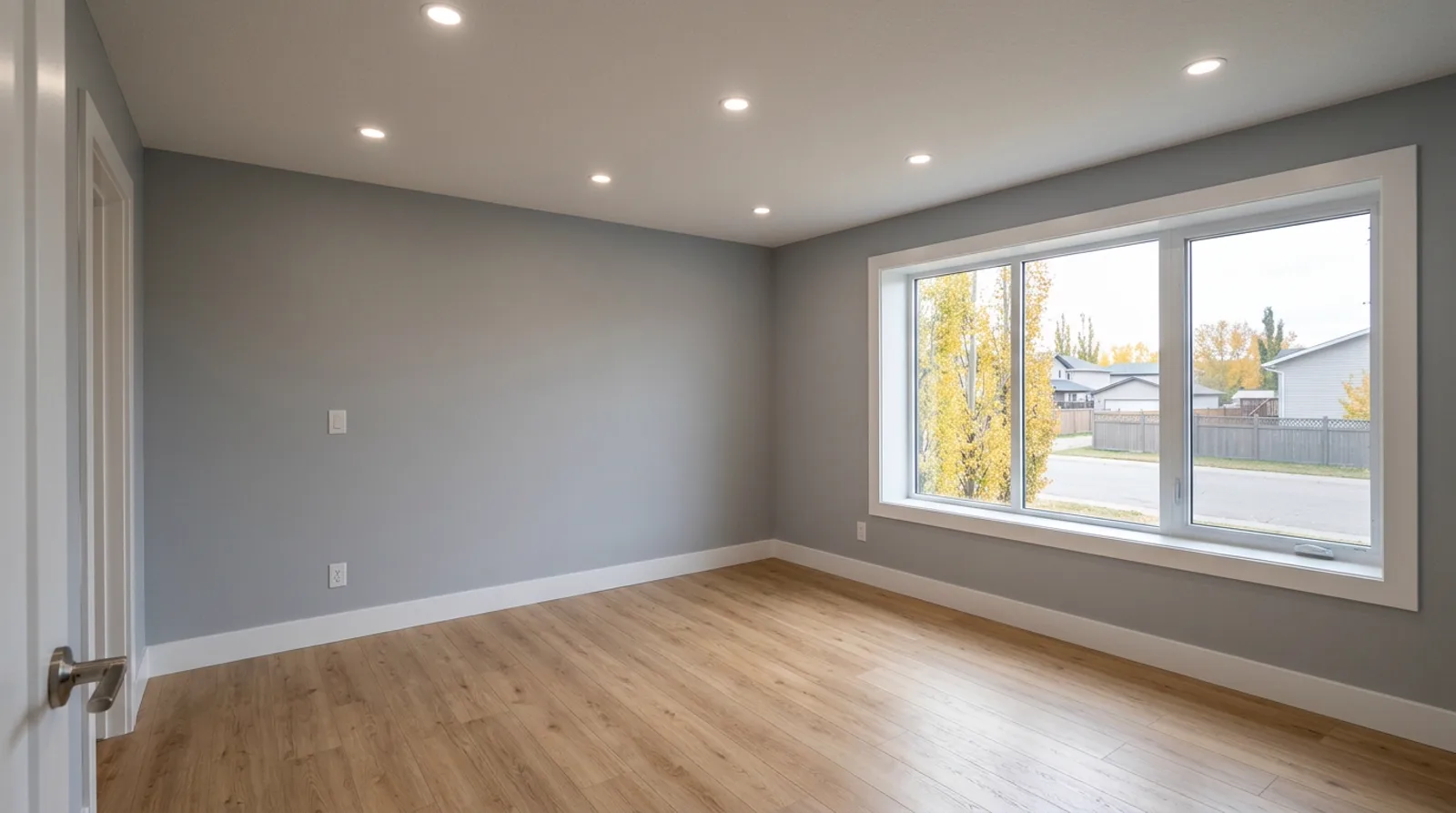
Flooded Sewer Basement Cleanup Spruce Grove.
Sewer backups demand immediate professional response. We connect you with verified local restoration pros who handle contaminated water extraction, disinfection and structural drying.
Complete Sewer Backup Restoration
Every step from emergency extraction through reconstruction, coordinated with one contact point.
Emergency Water Extraction
Truck-mounted extraction pumps remove standing sewage water. All contaminated materials bagged and disposed per Alberta environmental regs. Air movers and dehumidifiers placed within the first hour to prevent mold colonization.
Disinfection and Antimicrobial Treatment
Hospital-grade disinfectants applied to all surfaces contacted by sewage. Antimicrobial fogging treats airborne pathogens. All work follows IICRC S500 standards for Category 3 water contamination.
Structural Drying and Monitoring
Commercial dehumidifiers and air movers run continuously. Moisture meters measure concrete slab, framing and drywall daily until readings hit safe thresholds. Typical drying time is five to ten days depending on saturation depth.
Contents Cleaning or Disposal
Hard surfaces cleaned and disinfected. Porous items like upholstered furniture, mattresses and carpets exposed to sewage are usually disposed of due to contamination risk. Insurance adjusters document everything before removal.
Mold Prevention Protocol
Post-drying air quality test confirms no elevated spore counts. Any visible mold growth is remediated before reconstruction starts. HEPA filtration runs during all demo work to contain spores.
Rebuild Coordination
Once dry and disinfected, reconstruction begins. Drywall, insulation, flooring, baseboards, electrical all replaced to match original or better. Development permits pulled if layout changes. Final inspection confirms code compliance.
Why Sewer Backups Happen in Spruce Grove Basements
❄️ Spring Melt and Heavy Rain Overwhelm Combined Sewers
Many older Spruce Grove neighborhoods have combined storm and sanitary sewers. When rapid snowmelt or intense summer storms hit, the system backs up and raw sewage flows into the lowest drain, which is your basement floor drain or laundry sink.
🧱 Clay Soil Shifts and Cracks Aging Sewer Laterals
Spruce Grove sits on expansive clay soil. Freeze-thaw cycles cause the ground to heave and settle, cracking older clay or cast iron sewer laterals. Tree roots exploit the cracks, blockages form, and pressure forces sewage back into your home.
🏠 Developed Basements Lose Natural Flood Protection
An unfinished basement floods with minimal damage. A finished basement with drywall, carpet, furniture and electronics turns a sewer backup into a $15,000 to $40,000 loss. Backwater valves are now required under current Alberta building code but many older homes lack them.
📄 Alberta Insurers Require Proof of Mitigation
Sewer backup coverage is an optional add-on in Alberta home policies. If you have it, insurers expect documentation showing you maintained the lateral, installed a backwater valve if required, and reported the loss within 72 hours. Missing any of those can void the claim.
What it costs here
How Sewer Backup Cleanup Actually Works in Spruce Grove
From the first emergency call through final inspection, what happens at each stage and what you need to know before it starts.
What Sewer Backup Flooding Actually Does to Your Basement
When a sewer line backs up into your basement, you are dealing with Category 3 water, the most contaminated classification recognized by restoration standards. This is not clean groundwater or a broken supply pipe. Sewage contains bacteria, viruses, parasites, chemicals from household cleaners, pharmaceutical residues, and decomposing organic matter. Everything this water touches becomes a biohazard. Drywall wicks contamination upward through capillary action, insulation becomes a bacterial sponge, and carpet padding traps pathogens even after the visible water is gone. The smell is the least of your problems. The real threat is invisible microbial growth that starts within 24 to 48 hours and can trigger respiratory illness, skin infections, and gastrointestinal disease in anyone exposed.
Alberta basements face specific structural vulnerabilities when flooded with sewage. Most Strathmore homes built before 2010 sit on poured concrete foundations with cold joints at the footing, and older homes often have rubble stone or block foundations with mortared seams. Sewage water under pressure finds every crack, every gap around service penetrations, and every poorly sealed sump pit. Once inside, it saturates the concrete itself. Concrete is porous, and untreated contamination can penetrate several centimeters deep, leaving a permanent odor and microbial reservoir even after surface cleaning. Wooden floor joists, rim joists, and bottom plates absorb sewage like a wick. If these structural elements are not properly dried and treated within 72 hours, rot and mold become inevitable, and the integrity of your floor system is compromised.
The financial damage compounds quickly. A typical Strathmore basement flood from sewer backup can cost $8,000 to $35,000 to remediate properly, depending on the volume of water, the duration of exposure, and how much finished space was affected. Insurance covers most sewer backup losses under sewer backup endorsements, but coverage caps vary widely, often in the range of $15,000 to $50,000. If you delay cleanup or attempt DIY work that fails to meet insurance adjuster standards, your claim can be reduced or denied. Insurers require documented professional mitigation within a reasonable time frame, typically 48 to 72 hours from discovery, and they expect contaminated materials to be handled according to IICRC S500 and S520 standards. Failure to follow protocol can void your coverage and leave you responsible for the full bill.
Why Strathmore and Surrounding Area Basements Are at Risk
Strathmore sits on heavy clay soil with very low permeability, the same glacial till that underlies most of southern Alberta. When spring melt combines with heavy rain, this clay cannot absorb runoff quickly, so surface water ponds and saturates the ground around foundations. Municipal storm sewer systems in older Strathmore neighborhoods were designed decades ago for smaller populations and less pavement. Rapid growth over the past 15 years has increased impermeable surfaces, parking lots, driveways, and rooftops, all of which shed water into systems that were never sized for current flows. During intense rainfall or rapid snowmelt, combined sewer systems can become overwhelmed, and pressure reverses flow back into the lowest point, which is your basement floor drain or laundry standpipe.
Aging sewer infrastructure adds another layer of risk. Many Strathmore trunk lines and laterals were installed in the 1970s and 1980s using clay tile or early PVC with compression joints. Tree roots, especially from mature poplars and willows, infiltrate these joints and create partial blockages. Ground movement from freeze-thaw cycles shifts pipe sections, creating bellies where solids accumulate. A single blockage in a shared lateral can cause backups into multiple homes on the same line. The Town of Strathmore has been working through a multi-year infrastructure renewal program, but thousands of meters of old pipe remain in service. If your home was built before 1990 and you have not had a sewer scope inspection in the past five years, you have no way of knowing the condition of your lateral from the house to the street.
Seasonal patterns make spring and early summer the highest-risk period. Chinook winds can melt snow in 48 hours, dumping the equivalent of weeks of precipitation into storm systems in two days. Late spring thunderstorms drop 25 to 50 millimeters of rain in an hour, faster than any drainage system can handle. Basements flood not because homeowners did anything wrong, but because municipal capacity is exceeded and pressure finds the path of least resistance. Homes in low-lying areas near Lakeside, along Eagle Lake, and in older parts of downtown Strathmore see the most frequent backups, but no property is immune when conditions align.
Signs You Need Emergency Cleanup Right Now
If you see water pooling around floor drains, backing up through toilets, or emerging from shower drains in your basement, assume sewage contamination until proven otherwise. Clear water can appear clean at first, but if it came from a drain connected to the sewer system, it carries contamination. The smell of sewage is unmistakable, a combination of sulfur, ammonia, and organic decay, but early stage backups can be odorless if diluted with rainwater in a combined system. Do not touch the water, do not walk through it in bare feet, and do not let children or pets near the affected area. Sewage contains E. coli, Salmonella, Hepatitis A, and other pathogens that cause illness through skin contact, inhalation of aerosolized droplets, and accidental ingestion.
Check for these specific indicators that the situation requires professional intervention. Water rising faster than you can remove it with a shop vacuum means the source is still active and you need the municipal sewer line inspected and cleared before any cleanup begins. Water covering electrical outlets, furnace bases, or hot water tanks creates electrocution and gas hazards that require immediate utility shutoffs. Visible solid waste, toilet paper, or dark brown or black water confirms Category 3 contamination, and anything it touched must be treated as a biohazard. If the water has been standing for more than 12 hours, microbial growth has already started, and the clock is running on structural damage and mold colonization.
Insurance timing is critical. Most policies require notice of loss within a reasonable time, typically interpreted as 48 to 72 hours. Document everything with photos and video before you touch anything, capturing water levels, visible damage, and contamination evidence. Do not start removing belongings or cleaning until you have spoken with your insurer and received guidance on what they will cover. Many policies exclude gradual seepage or long-term leaks but cover sudden and accidental backups. If you throw out materials before an adjuster sees them, you may lose your ability to prove the extent of damage. Emergency mitigation like water extraction and structural drying is almost always covered and expected, but premature demolition or disposal can jeopardize your claim.
The Professional Cleanup and Restoration Process
The first step is always source control. No cleanup can begin until the water stops flowing. A restoration technician will confirm the municipal sewer line is clear and functioning, identify whether the backup came from a blocked lateral, a failed check valve, or overwhelmed municipal capacity, and ensure no additional water is entering the space. If the backup was caused by a blockage in your home's lateral line, that line must be cleared and camera-scoped to verify flow before extraction begins. If the municipal system is still overwhelmed, temporary backflow prevention may be required. Only after source control is confirmed can extraction and drying start, or you risk re-flooding the space as soon as pumps are turned off.
Water extraction uses truck-mounted or portable extractors capable of removing hundreds of liters per hour. Standing water is pulled from floors, carpet, and padding, and then demolition begins. All porous materials that contacted Category 3 water must be removed. That means carpet, underpad, baseboards, bottom sections of drywall up to at least 30 centimeters above the visible water line, and any insulation that was wetted. Non-porous materials like concrete, tile, and sealed wood can often be cleaned and disinfected, but the decision depends on how long contamination was present and whether odor or staining has penetrated the surface. Restoration pros verified through the network carry moisture meters, thermal cameras, and ATP bioluminescence testers to detect contamination and moisture you cannot see.
Structural drying follows demolition. Commercial-grade air movers and dehumidifiers run continuously for three to seven days, depending on the extent of saturation, indoor temperature, and humidity levels. Technicians monitor moisture content daily in floor joists, rim joists, sill plates, and concrete using pin-type and non-invasive meters. The goal is to bring all materials below 15 percent moisture content, the threshold where mold growth is inhibited. During drying, all affected surfaces are treated with EPA-registered antimicrobial agents designed for sewage contamination. This is not household bleach. Professional biocides penetrate porous surfaces, kill bacteria and viruses on contact, and leave residual protection during the drying phase.
Once drying is verified complete and microbial treatment is applied, reconstruction begins. New drywall, insulation, baseboards, and flooring are installed to match or exceed the original construction. Some homeowners use this opportunity to upgrade to mold-resistant drywall, closed-cell foam insulation, and vinyl plank flooring that can survive future water events without destruction. The entire process from first call to final walkthrough typically takes two to four weeks for an average basement, longer if structural repairs, electrical work, or HVAC replacement are required. A final air quality test and moisture verification report document that the space is safe to occupy and meets insurance and building code standards.
What Flooded Basement Cleanup Costs in Strathmore and What Drives the Price
Sewage backup cleanup in Strathmore typically ranges from $2,500 to $12,000 for a residential basement, with most jobs landing between $4,000 and $7,500. The wide range reflects the reality that no two floods are identical. A minor backup affecting 200 square feet of concrete floor with minimal furnishings costs far less than a finished rec room flooded with three inches of raw sewage soaking into drywall, carpet, and stored belongings. Contamination level is the single biggest cost driver. Category 3 water (raw sewage) requires full protective gear, antimicrobial treatment, and disposal protocols that Category 1 clean water does not.
Affected square footage and materials determine labour hours and disposal fees. Removing and binning soaked drywall costs $3 to $6 per square foot in the Tri-Region when you include cutting, bagging, hauling, and tipping fees at the Strathmore transfer station. Carpet and underpad removal runs $1.50 to $3 per square foot. Hardwood flooring that has cupped or buckled may be salvageable if dried within 48 hours, but sewage contact usually means replacement. Concrete is the easiest surface to sanitize and restore. Finished spaces with multiple material types (tile, laminate, baseboards, insulation) multiply both labour time and waste volume, and waste contaminated with sewage costs more to dispose of than construction debris.
Emergency timing and seasonal demand also move the price. A backup during a February chinook melt, when half of Strathmore is dealing with sump failures and the other half with sewer surges, means higher rates and longer wait times than a July callout. Restoration companies prioritize by severity, so a basement with active inflow gets faster dispatch than one where the water has stopped. Mold remediation adds $500 to $3,000 if the space sat wet for more than 72 hours, which is common when homeowners try to dry it themselves first and then realize they need professional help after the window for preventing mold has closed. Insurance coverage affects out-of-pocket cost, but the work itself is priced the same whether you are paying cash or filing a claim.
Comparing Cleanup Methods and Restoration Approaches
Water extraction is the first step, and the method matters. Wet-dry shop vacuums work for small, shallow floods on hard surfaces, but they are too slow for anything beyond a minor backup. Professionals use truck-mounted or portable extractors that pull hundreds of gallons per hour and leave surfaces damp rather than soaked, which cuts drying time in half. Submersible pumps handle standing water faster than extractors but do not remove the moisture trapped in porous materials, so you still need extraction afterward. Trying to mop or squeegee sewage-contaminated water just spreads bacteria into grout lines and subfloor seams. Extraction pulls the liquid and some of the solids out in one pass, reducing both contamination spread and drying time.
Drying methods separate amateurs from professionals. Air movers (high-velocity fans) and commercial dehumidifiers work together to drop humidity and evaporate moisture from materials. A typical Strathmore basement needs four to eight air movers and at least one large-capacity dehumidifier running continuously for three to five days to reach safe moisture levels, which is under 15 percent in wood and under 20 percent in drywall. Moisture meters confirm when materials are dry, not guesswork or how they feel to the touch. Opening windows during drying sounds helpful but introduces outdoor humidity, which in Alberta can be 60 to 80 percent during summer thunderstorms or chinook conditions. Controlled drying in a closed environment is faster and more reliable. Running your household dehumidifier and a couple of box fans will not achieve the air changes per hour needed to prevent mold in hidden cavities.
Sanitization approach depends on contamination category. Category 3 sewage requires EPA-registered disinfectants applied to all affected surfaces after extraction and before drying. Concrete floors are scrubbed with disinfectant, rinsed, and then treated again. Porous materials that cannot be fully disinfected, like drywall that wicked sewage up from the bottom plate, must be removed. Some contractors rely on fogging or misting antimicrobials, which helps with airborne bacteria and hard-to-reach areas but does not replace contact disinfection on surfaces. Sewage contains E. coli, salmonella, and other pathogens that survive on surfaces for days, so the sanitization step is not optional or something you can shortcut with bleach and a mop. IICRC S500 standards define the protocols, and any restoration company working an insurance claim will be held to them whether the homeowner knows the standard exists or not.
Contractor Traps and Mistakes to Avoid
The biggest mistake is hiring a restoration company before notifying your insurer, then discovering the scope of work your policy covers differs from what the contractor already started. Most Alberta home policies include sewer backup coverage as an optional endorsement, but the limit is often $10,000 or $15,000, and it may exclude certain types of damage or require specific documentation. Call your insurer first, get a claim number, and ask whether they require an adjuster visit or an independent estimate before work begins. Some insurers have preferred vendor lists and will cover the full invoice if you use one of those companies, but only partial reimbursement if you hire someone else. Contractors who tell you to start immediately and deal with insurance later are either inexperienced with claims or hoping you will not realize you are paying for work the policy would have covered until after the invoice is signed.
Scope creep happens when contractors find additional damage during cleanup and expand the work without a change order or updated estimate. A backup that soaked the basement carpet can turn into a full gut if the contractor discovers mold behind baseboards or moisture in the rim joist, and suddenly the $5,000 estimate is $14,000. Some of that additional work is legitimate, but you have the right to stop, get a second opinion, and decide whether to proceed. Contractors working insurance claims have less incentive to control costs because the insurer is paying, which can lead to recommendations for replacement when drying and sanitization would suffice. Ask for moisture readings and photos that justify every line item. If the drywall moisture meter reads under 18 percent and there is no visible staining or microbial growth, cutting it out is a choice, not a necessity.
Documentation failures cost homeowners thousands in denied insurance claims. Take your own photos and videos of the damage before any cleanup starts, even if the contractor says they will document everything. Capture the water level, affected belongings, visible contamination, and the source of the backup if identifiable. Save all estimates, invoices, and communication with both the contractor and your insurer in one file. If the city sewer backed up into your home due to a mainline blockage or capacity issue, you may have a claim against the municipality, but that requires proof the backup originated from the public system and not your private lateral. Strathmore requires written notice within a specific timeframe for such claims, and missing that window means you eat the cost even if the city was at fault. Contractors rarely tell you about that option because it does not affect their payment.
How to Hire the Right Restoration Pro
Start by verifying the contractor holds liability insurance adequate for the scope of work. In Alberta, any company sending workers into a contaminated space must carry and sewage cleanup qualifies as hazardous work. Ask for the WCB account number and call to confirm coverage, or check the WCB online clearance letter system. Liability insurance should be at least $2 million for residential restoration work. A contractor without current coverage is gambling with your financial exposure, because if a worker is injured on your property and the company has no WCB, you can be held liable. Insurance also matters if the restoration work causes secondary damage, like a drying fan left running unattended that overheats and scorches flooring.
IICRC certification is the industry standard for water damage restoration. The Institute of Inspection, Cleaning and Restoration Certification provides training in water damage restoration (WRT), applied structural drying (ASD), and health and safety (HST). A certified technician understands moisture mapping, psychrometrics, and Category 3 contamination protocols that a general handyman or carpet cleaner does not. Certification does not guarantee quality, but it does mean the person has been trained to a recognized standard and is more likely to follow proper drying and sanitization procedures. Ask how many similar sewage backups the company has completed in the past year and whether they have worked insurance claims before. A company that mainly does fire restoration or mold jobs may be IICRC-certified but inexperienced with the specific challenges of sewer flooding.
Get at least two written estimates that break down extraction, drying, sanitization, disposal, and any rebuild costs separately. Compare the scope of work line by line, not just the total. One contractor might include antimicrobial treatment and post-remediation testing in the base price, while another adds those as optional extras. Ask how long drying equipment will run, what moisture levels they target before calling the space dry, and whether the estimate includes daily monitoring or just drop-off and pickup of equipment. Red flags include contractors who refuse to provide a written estimate, pressure you to sign a work authorization before explaining the scope, or ask for full payment upfront. Restoration work billed to insurance is typically paid after completion and adjuster approval, so a contractor demanding cash up front is either not set up to work with insurers or worried you will not pay once you see the final bill.
How Tri-Region Services Helps
Tri-Region Services connects Strathmore homeowners facing sewage backups with one vetted local restoration professional for a free written quote. liability insurance, liability insurance, and IICRC certification status are stated at signup, so you are not sorting through search results or hoping the contractor you call is legitimate. The pro we route you to has handled Category 3 water damage in Alberta basements and understands the insurance claim process, municipal notification timelines, and the specific drying challenges of concrete foundation walls in freeze-thaw climates. You get one clear estimate with no obligation to proceed, and if you choose to hire them, the workmanship guarantee comes directly from the professional doing the work. Tri-Region does not send a crew because we are not a restoration company. We are a verified referral network that cuts out the research step when you need help immediately.
How We Verify Restoration Pros Before Dispatch
Every pro in the network clears these checks before we send your request.
liability insurance and Liability Coverage Confirmed
liability insurance account status and minimum $2,000,000 liability policy stated at signup work starts.
IICRC Water Damage Restoration Certification
Industry standard for contaminated water cleanup. We confirm current certification status, not expired credentials.
Insurance Claim Documentation Support
Detailed photo logs, moisture readings, scope of work and daily progress reports provided to your adjuster.
Category 3 Water Protocols Followed
Sewage is the most hazardous water class. PPE, disposal procedures and disinfection standards all meet IICRC S500 requirements.
Post-Drying Air Quality Testing
Third-party lab analysis confirms no elevated mold spore counts before reconstruction begins.
Final Inspection and Warranty in Writing
The restoring contractor provides written warranty on workmanship. Permit final inspection confirms all work meets Alberta building code.
This page is not tied to a contractor's brand. Leads route straight to your one local partner. Verified reviews can appear here once that partner has them (never fabricated).
Serving the whole Tri-Region
8 Questions About Sewer Backup Cleanup
Is sewer water in my basement a health risk?+
Will my Alberta home insurance cover this?+
How long does it take to dry a flooded basement?+
What can be saved and what has to go?+
Can mold grow after a sewer backup?+
How do I prevent another sewer backup?+
What affects the total cost?+
Do I need to leave my home during cleanup?+
Get your free quote
Tell us what you need and a local pro will get right back to you.
- ✓ Sent straight to a local business
- ✓ You choose who you hire
- ✓ Free, with no obligation