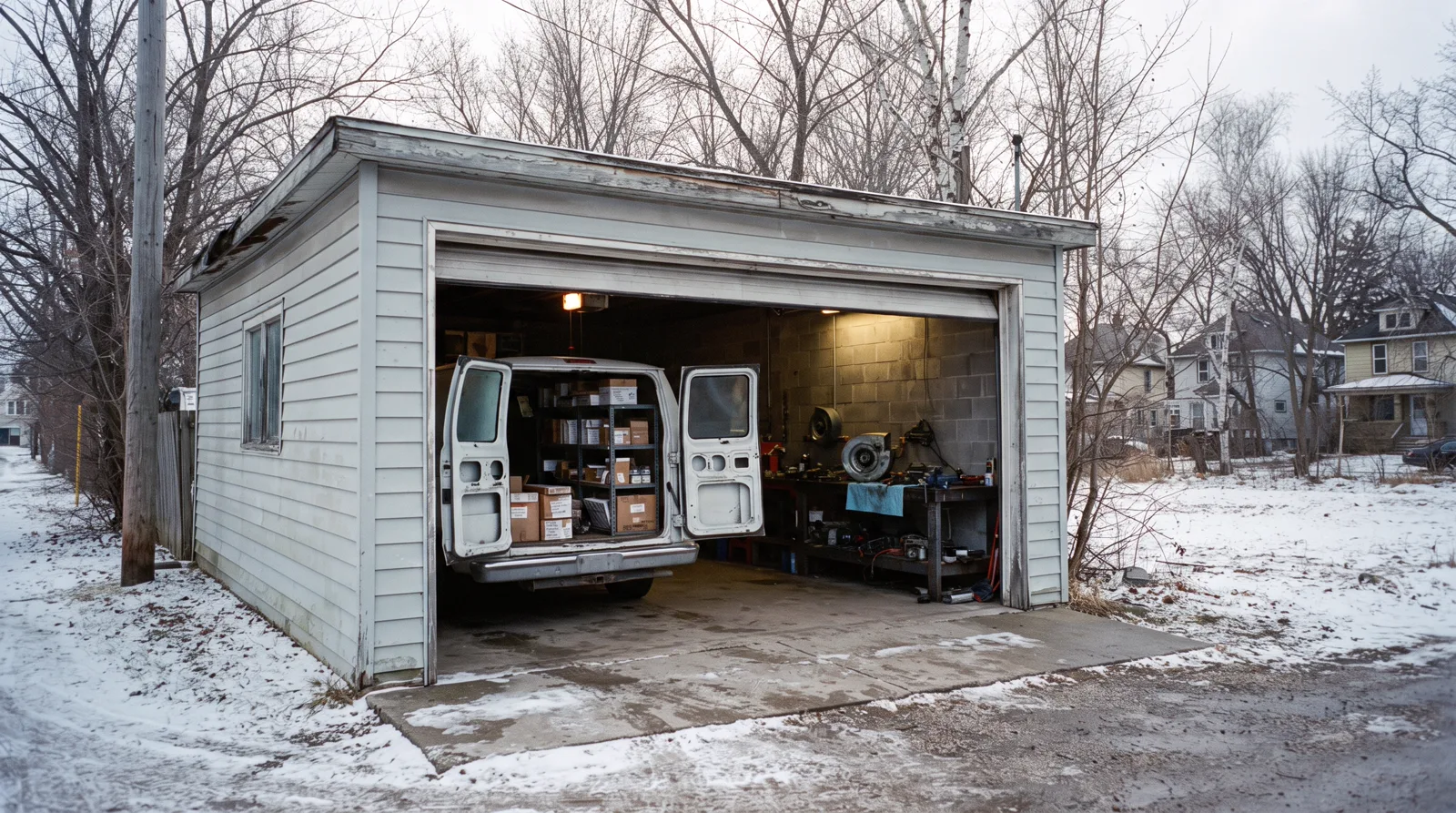
Furnace Repair Spruce Grove: Fast Response When Your Heat Goes Out
Licensed HVAC technicians diagnose and repair all furnace makes and models across the Tri-Region. No-heat emergencies prioritized, upfront pricing, and real solutions for Alberta winters.
Complete Furnace Repair Services
From ignition failure to cracked heat exchangers, local pros handle every repair with factory-grade parts and Alberta code compliance.
Emergency No-Heat Calls
Priority dispatch for furnaces that quit completely. Local pros diagnose ignition control, gas valve, thermocouple, flame sensor, and pressure switch failures on-site. Most emergency repairs completed same visit with truck stock parts.
Blower Motor & Fan Repair
Repair or replace failed blower motors, capacitors, and fan assemblies. We balance airflow to match your ductwork and address bearing noise, weak airflow, or intermittent operation that leaves rooms cold.
Control Board & Thermostat Issues
Diagnose control board failures, bad relays, and faulty limit switches. We troubleshoot communication errors between thermostats and furnaces, replace blown boards, and reprogram smart thermostats for proper staging and recovery.
Heat Exchanger Inspection & Crack Testing
Visual and combustion analysis to detect cracks or corrosion in primary and secondary heat exchangers. If cracks are confirmed, we provide honest replacement vs. new furnace cost analysis, never selling unnecessary equipment.
Inducer Motor & Venting Repair
Replace failed inducer motors, clear blocked flue pipes, and repair PVC condensate venting damaged by freeze-thaw cycles. We ensure proper draft pressure and carbon monoxide safety before leaving the job.
Gas Valve, Pilot & Ignition System Repair
Licensed gas fitters repair or replace gas valves, hot surface ignitors, pilot assemblies, and flame rods. We pressure-test all connections, check for gas leaks with electronic detectors, and verify proper burner flame color and pattern.
Furnace Repair Calibrated for Alberta Winters
❄️ Cold-Weather Failure Patterns
Spruce Grove and Stony Plain see furnace stress spikes during chinook wind temperature swings and sustained cold snaps below negative 25°C. We stock cold-climate igniters, pressure switches rated for low ambient temps, and heavy-duty inductors that handle the load cycles Alberta furnaces endure.
🏠 Rural Parkland County Propane & NG Systems
Acreages in Parkland County run on propane or natural gas with long supply lines vulnerable to pressure drops and regulator icing. The technician carries propane conversion orifices, tests line pressure at the appliance, and adjusts gas valves for proper input BTU regardless of your fuel source.
🧊 Condensate Freeze Protection
High-efficiency furnaces produce acidic condensate that freezes in poorly insulated PVC drain lines during Alberta cold. We insulate exposed runs, install freeze-proof traps, and heat-trace vulnerable sections to prevent mid-winter clogs that shut down your furnace overnight.
📜 Alberta Building & Safety Code Compliance
All gas appliance work meets current Alberta Building Code and Alberta Safety Codes Act standards. Permits are pulled for gas valve replacements and major repairs, inspections submitted when required, and everything documented for insurance and home sale disclosure purposes.
What it costs here
Everything You Need to Know About Furnace Repair in Spruce Grove
How Alberta furnaces fail, what repairs make sense, when replacement is smarter, and how to choose a qualified contractor.
What Furnace Repair Actually Involves in Spruce Grove Homes
Furnace repair in Spruce Grove addresses specific mechanical, electrical or airflow failures that prevent your heating system from producing warm air or running safely. Unlike maintenance, which is preventive, repair work responds to an active problem: a furnace that won't ignite, cycles constantly, makes alarming noises, or triggers safety lockouts. The work ranges from replacing a failed flame sensor or pressure switch to fixing cracked heat exchangers, repairing gas valve assemblies, or rewiring faulty thermostats. Most residential furnaces in this region are forced-air natural gas models rated between 60,000 and 120,000 BTU, and repair costs typically fall between $200 and $1,800 depending on the component and labour involved.
The repair process starts with accurate diagnosis. A qualified technician runs the furnace through its ignition sequence, monitors flame characteristics, measures temperature rise across the heat exchanger, checks gas pressure at the valve, and inspects the vent system for blockages or backdrafting. Digital multimeters verify voltage and continuity across control boards, limit switches and rollout sensors. Combustion analysis tools measure oxygen, carbon monoxide and flue gas temperature to confirm safe, efficient operation. This diagnostic phase alone can take 45 minutes to two hours because many symptoms share overlapping causes, and misdiagnosis leads to unnecessary part replacements and callback visits.
Once the root cause is identified, the technician sources the correct OEM or compatible aftermarket part. Common repairs include replacing hot surface igniters that crack after years of thermal cycling, swapping out failed blower motors or capacitors, cleaning or replacing flame sensors fouled by combustion residue, fixing pressure switches that fail to close due to blocked condensate drains, and addressing control board failures from power surges or age-related solder joint degradation. Gas valve repairs and heat exchanger replacements represent the upper cost range because they involve more labour, require gas line disconnection and combustion safety verification, and sometimes trigger additional code compliance work if the furnace is older than 15 years.
Why Alberta's Climate Makes Furnace Reliability Critical
Spruce Grove, Stony Plain, Parkland County and Acheson face one of the most demanding heating climates in Canada. Winter temperatures routinely drop to minus 25 Celsius or colder for extended stretches, and chinook wind events create rapid 20 to 30 degree temperature swings within hours. These extreme temperature variations stress every mechanical component in your furnace. Heating systems in this region run nearly six months per year, accumulating 2,000 to 2,800 runtime hours annually compared to 800 to 1,200 hours in milder provinces. This relentless duty cycle accelerates wear on blower motors, heat exchangers, ignition components and control electronics, making furnace repairs statistically more frequent here than in southern Ontario or coastal British Columbia.
Deep frost penetration creates unique failure modes that homeowners in warmer climates never encounter. When soil freezes to depths of 1.5 to 2 meters, foundation movement can stress gas supply lines and vent pipes, sometimes causing loose connections that trigger safety lockouts or create small leaks. High-efficiency condensing furnaces face additional challenges because their plastic PVC vent pipes can accumulate ice blockages when exhaust moisture freezes during extreme cold snaps, particularly if the pipes slope incorrectly or lack proper drainage. Pressure switches detect this blockage and shut down the furnace, often at 2 a.m. when outdoor temperatures hit their coldest point and indoor temperatures drop quickly in well-insulated but now unheated homes.
Snow load and ice damming on roofs affects furnace operation more than most homeowners realize. Blocked or snow-covered intake and exhaust vents prevent proper combustion air supply and flue gas evacuation, triggering pressure switch errors and safety shutdowns. Heavy snow accumulation around exterior vents near ground level creates the same problem. Alberta's dry winter air, combined with indoor humidity from cooking and bathing, also causes condensate drainage issues in high-efficiency furnaces. When outdoor temperatures plunge below minus 20 Celsius, condensate lines can freeze even inside heated spaces if they run along cold exterior walls, causing water backup that floods pressure switches and shuts down the system. These climate-specific failures require local knowledge and experience that technicians from milder regions simply don't develop.
Real Warning Signs Your Furnace Needs Immediate Repair
Ignition Failures and Short Cycling Patterns
When your furnace clicks but won't light, or lights briefly then shuts down before the blower starts, you're seeing ignition system failure. The most common culprit is a failed hot surface igniter, a ceramic component that glows orange to ignite gas but cracks after 5 to 8 years of thermal stress. Flame sensors are the second frequent cause, they detect flame presence using microamp current flow through ionized combustion gases, but carbon buildup insulates the sensor rod and prevents this signal. The furnace interprets this as no flame and shuts off the gas valve after three to five seconds. Some homeowners mistake this for an empty propane tank, but natural gas systems don't run out, they fail electrically or mechanically.
Short cycling means the furnace runs for two to five minutes then shuts off, only to restart a few minutes later without ever satisfying the thermostat. This pattern indicates oversizing, failed limit switches, clogged filters creating overheating conditions, or undersized ductwork restricting airflow. When return air can't move through the heat exchanger fast enough, temperatures spike beyond safe limits and the high limit switch opens to prevent cracked heat exchangers or fires. If you're replacing your furnace filter every month and the cycling continues, the problem lies deeper in the system, likely a failing blower motor capacitor that reduces fan speed, or a cracked heat exchanger that's allowing flame rollout and triggering rollout safety switches.
Unusual Noises and Odours During Operation
Loud banging or booming during startup, often called delayed ignition, signals dangerous gas buildup before ignition occurs. This happens when the igniter glows but gas valve response is slow, or when the flame sensor is marginal and allows gas to pool before establishing a stable flame. Each boom represents a small explosion of accumulated gas, and this condition can crack heat exchangers or damage vent pipes over time. The repair requires addressing why ignition is delayed, whether that's a weak igniter drawing insufficient current, a gas valve with sticky solenoids, or inadequate combustion air supply creating poor flame characteristics.
Scraping, squealing or rumbling from the blower compartment indicates bearing failure in the blower motor or loose blower wheel mounting. Direct drive blower motors in modern furnaces use permanently lubricated bearings that dry out after 15 to 20 years, causing friction noise that progresses from occasional squeaks to continuous grinding. Belt-driven systems, more common in older furnaces and some commercial installations, develop squealing when belts wear and slip on pulleys. Rumbling or vibration that shakes ductwork suggests a blower wheel coated in dust and debris, creating imbalance, or loose mounting bolts that allow the entire blower assembly to shift during operation. These mechanical failures don't self-correct and worsen rapidly once they start, potentially causing motor burnout or duct disconnection.
Declining Heat Output and Uneven Temperatures
When your furnace runs constantly but rooms stay cold or heat unevenly, the heat exchanger isn't transferring enough energy to the airflow. This symptom has several root causes beyond the furnace itself. Blocked or undersized return air grilles starve the system of airflow, duct leaks in unconditioned attics or crawlspaces waste 20 to 40 percent of heated air before it reaches living spaces, and closed or blocked supply registers in key rooms create pressure imbalances. However, when the furnace itself is at fault, you're typically dealing with a cracked heat exchanger that's leaking combustion gases into the plenum and reducing temperature rise, or a control board problem that prevents the burners from firing at full capacity.
Yellow or flickering flames instead of steady blue flames indicate incomplete combustion from insufficient air supply, wrong gas pressure, or dirty burners. Natural gas flames should burn blue with occasional orange tips during startup, but persistent yellow flames produce soot, carbon monoxide, and reduced heat output. Burner orifices clogged with rust, spider webs or corrosion restrict gas flow and create irregular flame patterns. Gas pressure that's too high or too low at the valve, whether from utility supply issues or regulator failure, also affects flame colour and heat output. These combustion problems require immediate professional attention because they create carbon monoxide risks and reduce furnace efficiency by 15 to 30 percent, turning a $180 monthly gas bill into $240 or more.
The Complete Furnace Repair Process From Service Call to Final Testing
Emergency furnace repair begins with a phone call to a licensed contractor, ideally one based in Spruce Grove, Stony Plain or Parkland County who maintains service vehicles and parts inventory locally. During this call, describe your symptoms precisely: when the problem started, what the furnace is doing or not doing, any error codes on the thermostat or furnace control board, unusual sounds or smells, and when the system last received maintenance. This information helps the dispatcher assess urgency and guide the technician on which diagnostic tools and common parts to bring. True emergencies, meaning no heat when outdoor temperatures are below minus 15 Celsius or any gas odour, typically receive same-day or next-morning response. Non-emergency repairs during milder weather may be scheduled 24 to 72 hours out, which is actually preferable because it avoids premium emergency rates ranging from $150 to $300 above standard service call fees.
When the technician arrives, expect a systematic approach that begins with visual inspection before touching any controls. They'll examine the furnace exterior for rust, corrosion, signs of overheating, or previous amateur repairs. The door interlock switch gets tested because many furnaces won't run with the blower door removed or improperly seated. Thermostat settings and wiring are verified, since roughly 15 percent of no-heat calls result from thermostat batteries, incorrect settings, or loose wire connections rather than furnace failure. The technician then observes a complete heating cycle from thermostat call through ignition, flame establishment, blower startup, and eventual shutdown. This observation often reveals the exact failure point, whether that's ignition lockout, flame loss during operation, or improper blower timing.
Detailed diagnostics follow using specialized tools. Multimeters check voltage at the transformer, control board outputs, and across safety switches and sensors. Pressure switches are tested with manometers to verify they're opening and closing at correct differential pressures. Flame sensors are removed and inspected under magnification for carbon deposits or corrosion. Gas pressure is measured at the manifold and compared to the furnace rating plate specifications, typically 3.5 inches water column for natural gas. Combustion analysis involves inserting a probe into the flue pipe to measure oxygen percentage, carbon monoxide and carbon dioxide levels, and stack temperature. These readings reveal whether combustion is complete and efficient or whether air-fuel mixture requires adjustment after any repairs.
Once diagnosis is complete, the technician presents findings and provides a written repair estimate before performing any work. This estimate includes the specific failed component, labour time required, parts cost, and total price. Reputable contractors explain what the part does, why it failed, and whether any related components should be addressed simultaneously to prevent callback visits. After you approve the estimate, repair work proceeds. Simple repairs like flame sensor cleaning or filter replacement take 15 to 30 minutes. Component replacement such as pressure switches, igniters, or capacitors requires 45 minutes to 90 minutes including reassembly and testing. Complex repairs involving gas valves, blower motors, or control boards may take two to four hours because they require more disassembly, careful reconnection of multiple wires or gas fittings, and extensive post-repair verification.
Final testing is non-negotiable and separates professional repair from parts-changing. The technician runs the furnace through multiple complete cycles, measures temperature rise across the heat exchanger to confirm it falls within the manufacturer's specified range of typically 40 to 70 degrees Fahrenheit, verifies all safety switches operate correctly, and uses combustion analysis to document proper air-fuel mixture and safe carbon monoxide levels below 100 parts per million in the flue. They check for gas leaks at any disturbed fittings using electronic detectors or soap solution, confirm proper condensate drainage if applicable, and verify the thermostat accurately controls furnace operation. You should receive documentation of all test results, the replaced part warranty terms, and recommendations for any additional maintenance or repairs that aren't urgent but will eventually need attention.
What Furnace Repair Really Costs in Spruce Grove, Stony Plain and Parkland County
Furnace repair pricing in the Tri-Region varies more than most homeowners expect, and understanding the real drivers behind those numbers helps you budget accurately and avoid surprise bills. A straightforward service call with diagnostics typically runs $120 to $180 in Spruce Grove and Stony Plain, which covers the technician's time, travel and initial testing. If the problem is minor, like a tripped limit switch or dirty flame sensor, you might pay the service call fee plus an additional $80 to $150 for cleaning and adjustment. More involved repairs climb quickly. A blower motor replacement generally costs $450 to $850 including parts and labour, while a heat exchanger repair or replacement can reach $1,200 to $2,500 depending on furnace size and accessibility. Ignition system work, including hot surface igniters or flame sensors, usually falls between $200 and $450. Control board replacements range from $300 to $700, and gas valve issues add $350 to $650 to your bill.
Labour rates in the Tri-Region sit between $90 and $140 per hour for licensed technicians, and this reflects the real cost of maintaining proper insurance, continuous education on evolving furnace technology, stocked service trucks and emergency availability. Parts markup varies by contractor. Some charge retail pricing from suppliers like Wolseley or Johnstone, adding 20 to 40 percent over their cost, while others keep margins tighter but bill slightly higher labour. Emergency calls after hours, weekends or holidays carry premium rates, often $180 to $250 just to show up, plus standard repair costs. Many Spruce Grove homeowners face emergency situations during Arctic snaps in January or February when outdoor temperatures drop to minus thirty and furnaces work hardest. A cracked heat exchanger discovered at midnight will cost considerably more than the same repair scheduled on a Tuesday afternoon, so staying ahead of breakdowns with regular maintenance saves real money over time.
Several factors push your repair bill higher or lower than these ranges. Furnace age plays a significant role. A fifteen year old mid-efficiency unit often needs multiple small repairs in quick succession, and technicians spend extra time sourcing discontinued parts or fabricating workarounds. Accessibility matters too. A furnace tucked into a cramped closet or buried behind stored boxes in a Parkland County acreage basement takes longer to service, and that time translates to higher labour charges. Some repairs require permits, particularly if you're replacing a heat exchanger or modifying venting, and permit fees in Spruce Grove run $75 to $150. Warranty status dramatically affects cost. If your furnace is still covered under manufacturer or extended warranty, you might pay only the service call and labour, with parts supplied at no charge. Always ask the technician to check warranty eligibility before authorizing expensive component replacements. Parts availability also influences pricing. Common components ship overnight from Edmonton, but obscure parts for imported or discontinued models might take a week and cost double, leaving you renting space heaters while you wait.
Comparing Repair Options, Methods and When Replacement Makes More Sense
Not every furnace problem has a single best solution, and understanding your options helps you make decisions that balance immediate cost against long-term value. For ignition failures, you can replace just the failed hot surface igniter for $200 to $350, or you can upgrade the entire ignition assembly and flame sensing system for $400 to $600, which gives you newer technology and potentially years of additional reliability. Blower motor issues present similar choices. A direct replacement costs less up front, but upgrading to a variable speed ECM motor adds $150 to $300 to the bill while cutting your electricity use by 60 to 75 percent and improving comfort through better airflow control. In Stony Plain homes with long ductwork runs or multiple zones, that efficiency gain pays back within two to three heating seasons. Heat exchanger problems force harder decisions. Minor cracks sometimes allow spot repair or sealing, costing $800 to $1,400, but this approach works only on newer furnaces with accessible damage and rarely lasts more than two or three years.
Full heat exchanger replacement runs $1,500 to $3,200 depending on furnace type and configuration, and this repair only makes financial sense if your furnace is under eight years old, otherwise in excellent condition, and still covered by parts warranty. Many contractors in the Tri-Region will honestly tell you when replacement beats repair. A general rule holds that if the repair cost exceeds half the price of a new furnace and your unit is over twelve years old, replacement gives you better long-term value. A new mid-efficiency furnace installed in Spruce Grove costs $3,200 to $4,800, while a high-efficiency condensing model runs $4,500 to $6,500. Factor in improved reliability, lower gas bills, better humidity control and a full warranty covering parts and labour for five to ten years. The math often favours replacement when you're facing major component failure on an aging system.
Some repairs offer temporary versus permanent solutions, and this distinction matters when you're managing tight budgets or dealing with unexpected breakdowns mid-winter. A technician might bypass a failing limit switch to restore heat immediately, buying you time to schedule proper replacement within a few days. Cleaning a fouled burner assembly costs $150 to $250 and solves short-term flame issues, but if your heat exchanger is deteriorating and contaminating combustion, that cleaning buys you weeks or months, not years. Honest contractors explain these timelines clearly and help you prioritize. If you're selling your Parkland County home in spring, a temporary repair that gets you through winter might make perfect sense. If you're settling in for the long term, investing in the permanent fix or full replacement avoids repeated service calls and the stress of cold nights waiting for technicians. Ask direct questions about how long each repair option typically lasts and what failure mode looks like, so you can plan appropriately rather than facing surprise breakdowns.
Common Mistakes Homeowners Make and Contractor Red Flags to Avoid
The biggest mistake Spruce Grove and Stony Plain homeowners make is delaying furnace repair when they first notice problems, hoping the issue resolves itself or waiting for a more convenient time. Strange noises, weak airflow, short cycling or uneven heating all signal developing failures that worsen when ignored. A $200 flame sensor cleaning in October becomes a $1,500 heat exchanger replacement in January if combustion problems continue unchecked. Waiting until your furnace dies completely often forces you into emergency service rates and limits your ability to compare contractors or negotiate pricing. Another common error is attempting DIY repairs beyond basic filter changes and thermostat batteries. Modern furnaces integrate complex electronics, precise gas controls and safety interlocks that require proper tools and training to diagnose. Homeowners who reset limit switches without identifying the underlying overheating cause risk fire or carbon monoxide exposure. Adjusting gas pressure or bypassing safety devices creates serious liability and voids your insurance coverage if something goes wrong.
Choosing a contractor based solely on the lowest quote frequently backfires. Unrealistically low pricing usually signals corner-cutting, whether through unlicensed technicians, recycled parts sold as new, skipped safety testing or missing permits. Some contractors lowball the initial quote then discover additional problems once inside your home, turning a $300 estimate into a $1,200 bill through a series of supposedly necessary extras. Others complete the minimum work to restore heat without addressing underlying issues or confirming safe operation, leaving you vulnerable to breakdowns or hazardous conditions. In Alberta's competitive HVAC market, legitimate furnace repair typically costs within 15 to 20 percent across licensed contractors. Quotes falling far outside that range deserve extra scrutiny. Ask for itemized pricing showing parts, labour, diagnostics, permits and any environmental fees separately so you can compare accurately across multiple contractors.
Several red flags should send you looking elsewhere. Any contractor who cannot immediately provide proof of liability insurance, WCB coverage and a valid gas ticket lacks the basic credentials for safe furnace work. Pressure tactics, like claiming your furnace is about to explode or insisting on immediate payment before completing work, indicate dishonest business practices. Vague explanations, refusing to show you the failed parts, or diagnosing expensive repairs without proper testing tools all suggest you're being upsold unnecessarily. Legitimate technicians welcome questions, explain exactly what failed and why, and provide options at different price points. They pull permits when required, test combustion and carbon monoxide levels after repairs, and provide written documentation of work completed including part numbers and warranty terms. If a contractor suggests repairs that void manufacturer warranty, bypass required safety devices, or skip permitting to save money, walk away immediately. Those shortcuts create liability you'll carry long after they've left.
How to Hire the Right Furnace Repair Contractor in Spruce Grove and the Tri-Region
Finding a qualified, trustworthy furnace repair contractor starts with verifying credentials that matter in Alberta. Every technician working on your gas furnace must hold a valid gas fitter ticket, either Class A or Class B, issued through Alberta's Safety Codes Council. Ask to see this certification, and confirm the contractor carries comprehensive liability insurance of at least two million dollars for all employees. These protections shield you if something goes wrong during repair, whether property damage from a gas leak or injury to a worker in your home. Check business registration and look for membership in professional organizations like the Heating, Refrigeration and Air Conditioning Institute of Canada, though this membership alone doesn't guarantee quality. Online reviews provide useful signals when you read critically. Look for patterns across multiple platforms rather than isolated complaints, and pay attention to how contractors respond to negative feedback. Companies that address concerns professionally and offer to make things right demonstrate better customer service than those who ignore criticism or respond defensively.
Once you've shortlisted contractors, request detailed written quotes that break down all costs. The estimate should specify exactly what diagnostic work will be performed, which parts might need replacement with manufacturer and model numbers when possible, labour hours at stated hourly rates, permit fees if applicable, and any service call charges. Avoid contractors who only provide verbal estimates or lump-sum numbers without explanation. Ask about warranty coverage on both parts and labour. Most quality contractors warranty parts for one year minimum and labour for 90 days to one year. Some extend these terms or offer service agreements that include annual maintenance and priority emergency response. Inquire about payment terms. Reputable contractors typically request payment after work is completed and tested, though they might ask for a deposit on expensive parts ordered specially. Anyone demanding full payment upfront or only accepting cash raises concerns. Legitimate businesses accept multiple payment methods and provide proper receipts and invoices for tax and insurance documentation.
Prepare specific questions that reveal contractor competence and honesty. Ask how they diagnose furnace problems and what testing equipment they use. A good technician will mention multimeters for electrical testing, manometers for gas pressure, combustion analyzers for efficiency and safety, and inspection cameras for heat exchanger examination. Question their experience with your specific furnace brand and model, particularly if you have a high-efficiency condensing unit or a less common make. Inquire about parts sourcing, whether they stock common components on their trucks or need to order everything, and typical lead times for parts delivery from Edmonton suppliers. Discuss availability, especially for emergency service. Some Spruce Grove contractors offer priority emergency routing while others only work business hours but maintain relationships with after-hours services. Clarify what constitutes an emergency in their view and what premium charges apply. A contractor who takes time to answer thoroughly, explains technical concepts in understandable terms, and doesn't rush you toward a decision is far more trustworthy than one who provides slick sales pitches but dodges detailed questions.
How Tri-Region Services Helps
We eliminate the guesswork and risk from finding qualified furnace repair help in Spruce Grove, Stony Plain, Parkland County and Acheson. Instead of cold-calling multiple contractors or gambling on search results, we connect you directly to one carefully vetted, fully licensed and insured local professional from our trusted network. Every contractor we work with holds current gas fitter certification, tells us they carry comprehensive liability coverage, and has demonstrated consistent quality work and honest business practices in the Tri-Region. You receive a free written quote with clear pricing and no obligation, giving you the information you need to make a confident decision about your furnace repair. We've already done the credential verification, reference checking and quality assessment, so you can focus on getting your heating system back to safe, reliable operation without the stress of contractor research during an already frustrating breakdown.
Why Homeowners Choose Us for Furnace Repairs
Licensed, insured, and accountable to Alberta standards and local reputation.
Licensed Gas Fitters
Every technician holds a valid Alberta gas fitter ticket and completes annual recertification for code updates and safety protocols.
Insurance on file
Commercial liability insurance stated at signup, so you're never exposed if something goes wrong during the repair.
Factory Training on Major Brands
Lead techs in our network complete manufacturer certification programs for Lennox, Carrier, Trane, and Goodman, accessing technical bulletins and warranty parts other shops can't get.
Upfront Flat-Rate Pricing
You approve the written quote before any work begins. No surprise bills, no hidden trip charges, no upselling parts you don't need.
Pros Who Stand Behind Their Work
Every repair includes a 12-month warranty covering the part installed and the labour to fit it. Ask your technician for the specific terms in writing.
Local Tri-Region Pros
Every technician we connect you with lives and works in Spruce Grove, Stony Plain, and Parkland County. Your neighbors are their references, and their reputation depends on doing the job right.
This page is not tied to a contractor's brand. Leads route straight to your one local partner. Verified reviews can appear here once that partner has them (never fabricated).
Serving the whole Tri-Region
8 Furnace Repair Questions Spruce Grove Homeowners Ask
How much does a typical furnace repair cost in Spruce Grove?+
What are the most common furnace problems in Alberta winters?+
Should I repair or replace my furnace?+
Can I legally repair my own furnace in Alberta?+
How long does a furnace repair take?+
What happens if my furnace breaks down in the middle of the night?+
Do you work on older furnaces or discontinued models?+
Will my home insurance cover furnace repairs?+
Get your free quote
Tell us what you need and a local pro will get right back to you.
- ✓ Sent straight to a local business
- ✓ You choose who you hire
- ✓ Free, with no obligation