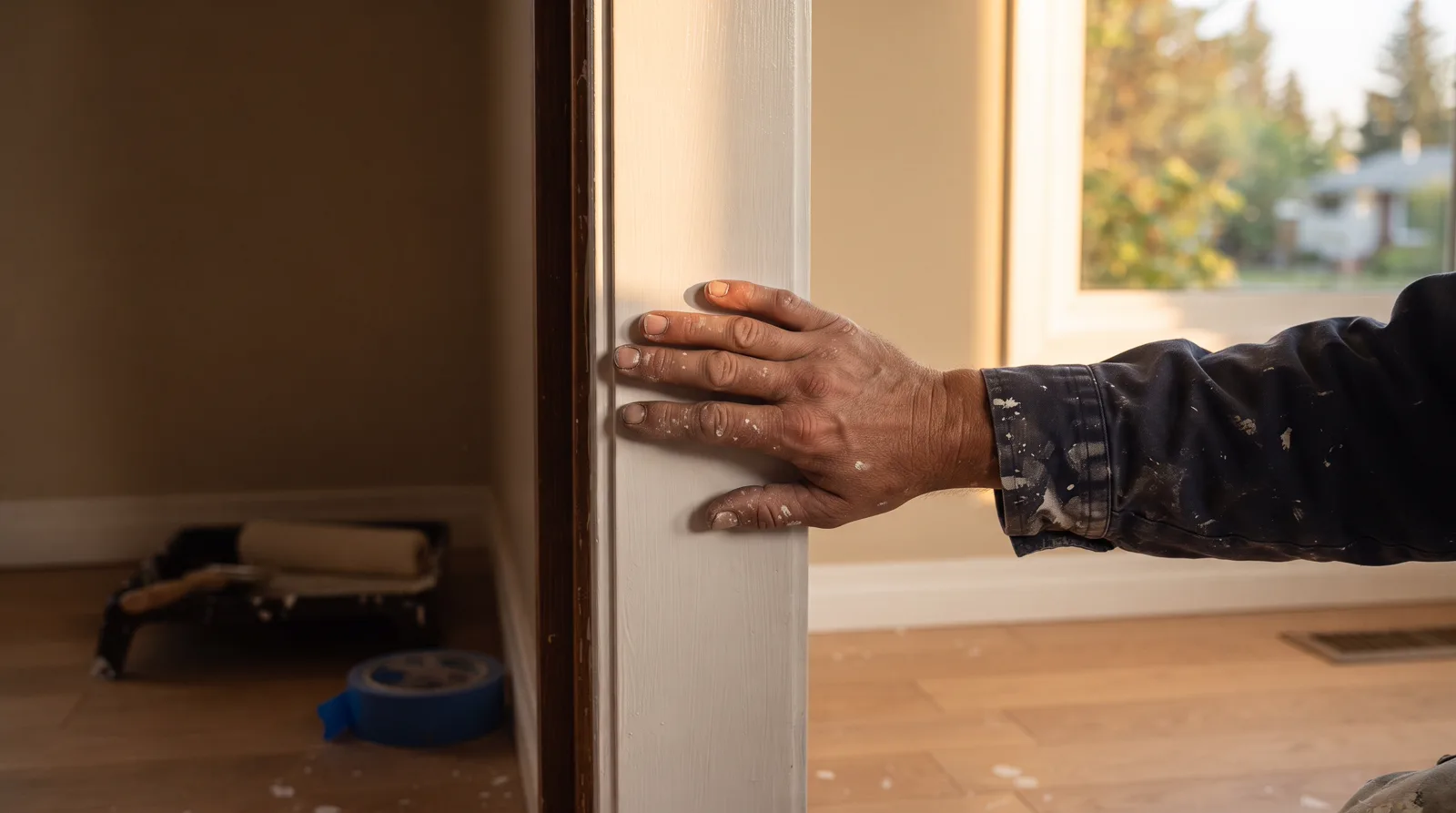
Interior Painting That Lasts in Alberta's Dry Climate.
Transform your home with professional interior painting built for the Tri-Region. From single rooms to whole home refreshes, local pros handle prep, protection, and cleanup so you get a flawless finish.
Interior Painting Services
From accent walls to full home transformations, priced clearly and done right.
Whole Home Interior
Complete interior repaint including walls, ceilings, trim, and doors. We protect floors and furniture, prep all surfaces, apply two coats, and leave your home cleaner than we found it. Includes color consultation and low VOC paint standard.
Single Room Refresh
Bedroom, living room, office, or dining area. Perfect for updating one space without a full home project. Includes wall repair, trim touch up, and your choice of finish (matte, eggshell, or satin). Furniture moved and protected.
Kitchen & Bathroom Painting
Moisture resistant paints and mold inhibiting primers for high humidity rooms. We work around fixtures, mask tile and counters, and use scrubbable semi gloss or satin finishes. Kitchens and baths stay usable during the work.
Basement Painting
Moisture resistant primer and paint systems for below grade spaces. We address efflorescence, seal concrete, and use mold resistant coatings. Includes stairwells, utility room walls, and finished basement suites. Proper prep prevents peeling.
Ceiling Painting & Texture Removal
Smooth ceilings, popcorn removal, or fresh white over stained or yellowed surfaces. We contain dust, protect floors, and apply even coverage with no roller marks. Vaulted and cathedral ceilings priced per square foot and height.
Trim, Doors & Cabinet Painting
Refresh baseboards, door frames, doors, and kitchen cabinets without replacing them. We sand, prime, and spray or brush for a factory smooth finish. White, off white, or custom colors. Cabinets done in place or removed for shop finish.
Why Alberta Interiors Need the Right Paint and Prep
💨 Dry Climate, Longer Open Time
Alberta's low humidity means paint dries faster than the can label suggests. We adjust application speed, use conditioners when needed, and control dust so you get smooth walls without lap marks or debris in the finish.
❄️ Winter is Interior Painting Season
Cold months are ideal for indoor work. Homes stay closed, temperatures are stable, and scheduling is faster. We ventilate safely, manage humidity with the furnace running, and keep your heating bills low by sealing rooms during work.
🏗️ New Build Paint Upgrades
Builder grade paint is thin and shows roller marks within a year. We re coat new Spruce Grove and Stony Plain homes with premium two coat systems, fix drywall flashing and seams, and give you a finish that lasts a decade, not two winters.
🧱 Basement Moisture and Efflorescence
Some Tri-Region basements show white mineral deposits or dampness on foundation walls. We test for active moisture, apply vapor barrier primers, and use breathable masonry paints so coatings don't peel or bubble after one season.
What it costs here
Everything You Need to Know About Interior Painting in Spruce Grove
From choosing the right sheen to understanding dry times in Alberta's climate, this guide covers what matters for Tri-Region homes.
What Interior Painting Actually Involves in Spruce Grove Homes
Interior painting is far more than rolling color onto walls. In Spruce Grove and Parkland County, a proper interior paint job starts with understanding what lies beneath the surface. Most homes built in the 1980s and 1990s have textured ceilings, often containing materials that require careful prep work. Homes from the 2000s onward typically feature smoother finishes, but builder-grade paint applied during construction was chosen for speed, not longevity. A professional interior painting project addresses these realities by stripping away the shortcuts and delivering a finish that withstands the unique stresses of an Alberta home.
The scope of an interior painting project varies widely. A single accent wall in a living room might take half a day and cost $400 to $800, while a full home repaint covering 2,000 square feet of wall and ceiling space can run $5,000 to $12,000 and take a crew one to two weeks. The difference comes down to surface preparation, the number of coats required, ceiling height, trim detail, and whether you are changing colors dramatically. Moving from a dark burgundy to a light grey, for example, demands extra primer coats and meticulous coverage to prevent bleed-through. Painters who skip this step leave you with uneven color and visible patches within months.
Interior painting also involves protecting everything that is not being painted. Floors, furniture, light fixtures, outlets, and trim all need careful masking. In older Spruce Grove homes with original hardwood or tile, a single paint drip can mean expensive refinishing. Professional crews use heavy canvas drop sheets, not thin plastic that shifts and tears, and they remove switch plates and outlet covers rather than taping around them. This attention to detail separates a clean, lasting job from one that leaves you scraping dried paint off baseboards for weeks. The work is methodical, and rushing it shows immediately.
How Alberta's Climate and Indoor Conditions Shape Interior Painting Needs
Alberta's extreme temperature swings do not stop at the front door. When outdoor temperatures drop to minus 30 Celsius in January and climb to plus 30 in July, your home's structure expands and contracts. This movement creates hairline cracks in drywall seams and nail pops where fasteners push through the surface. Paint, especially lower-quality latex applied too thinly, cannot flex with these shifts. It cracks, peels, and pulls away from the wall. Homes in Spruce Grove and Stony Plain experience this cycle every year, and the cumulative effect becomes visible after five to seven years in high-stress areas like stairwells and exterior-facing walls.
Indoor humidity fluctuations add another layer of stress. Winter heating in Parkland County drives indoor humidity down to 15 or 20 percent, drying out paint and making it brittle. Spring and summer bring humidity spikes, especially in bathrooms and kitchens where moisture from showers and cooking saturates the air. Paint that lacks proper moisture resistance blisters, bubbles, and eventually peels in these rooms. Bathrooms without exhaust fans or with undersized fans are particularly vulnerable. The paint might look fine when first applied, but six months of daily showers reveal whether the painter used proper bathroom-grade paint and primer or cut corners with standard wall paint.
Chinook winds, unique to southern Alberta, create rapid temperature changes that stress building materials. A sudden 20-degree jump in a few hours causes expansion in framing and drywall, which can crack fresh paint if it has not fully cured. Professional painters in this region schedule interior jobs with curing time in mind, avoiding application during extreme Chinook events when possible. They also choose paints formulated for temperature variability, which cost more per gallon but deliver flexibility that cheap paint cannot match. Homeowners who hire the lowest bidder often discover this difference when cracks appear along seams within the first year.
Warning Signs Your Spruce Grove Home Needs Interior Repainting
Surface Damage and Deterioration
Peeling paint is the most obvious red flag, but it rarely appears everywhere at once. Check corners where walls meet ceilings, around window frames, and along baseboards. These areas experience the most structural movement and moisture exposure. If you see paint curling away in small flakes or larger sheets, the bond between paint and surface has failed. This happens when the wrong primer was used, when the surface was not cleaned before painting, or when moisture is trapped behind the paint. Repainting over peeling paint without addressing the root cause guarantees the new coat will fail just as quickly.
Cracks in painted surfaces fall into two categories. Hairline cracks following drywall seams are common in Alberta homes and usually result from settling or temperature movement. These can be filled, sanded, and repainted as part of a standard interior project. Wider cracks, especially those that run diagonally across walls or show gaps you can slide a coin into, suggest structural issues that need assessment before painting. A painter who quotes the job without asking about cracks is either inexperienced or willing to hide problems under a fresh coat. Neither outcome serves you well.
Color Fading and Uneven Sheen
Sunlight fading is not limited to exterior paint. South-facing rooms in Spruce Grove homes receive intense sunlight, especially in winter when the sun stays low and streams through windows for hours. Paint on walls near windows fades noticeably over three to five years, creating lighter patches that clash with the original color in shadowed areas. Fading happens faster with reds, purples, and darker blues, which are less UV-stable than earth tones and neutrals. If your living room looks two-tone despite being painted a single color, fading has progressed beyond touch-up fixes. A full repaint is the only way to restore uniform color.
Sheen inconsistency tells a different story. If some areas of a wall look glossy while others appear flat, the paint was either applied unevenly or the surface was not properly prepared. Patches where drywall repairs were made often show different sheen because the filler compound absorbs paint differently than the surrounding wall. A quality painter applies extra coats to these areas to build uniform sheen. If your walls show random dull spots, the painter skipped this step. Repainting gives you the chance to demand proper surface prep and consistent application.
Lifestyle Changes and Wear Patterns
High-traffic areas wear visibly faster than seldom-used rooms. Hallways, stairwells, and kitchens in Spruce Grove family homes accumulate scuffs, scratches, and dirt within two to three years, even with durable paint. If you find yourself wiping walls weekly to remove marks, or if attempts to clean scuffs remove paint instead of dirt, the existing paint has lost its protective qualities. Repainting these areas with a higher-quality, scrubbable finish reduces maintenance and keeps walls looking clean longer. Kitchens and dining areas benefit especially from paint formulated to resist grease and moisture, which standard wall paint cannot handle.
Life changes also drive repainting needs. A home office conversion, a nursery setup, or preparing to sell all justify fresh paint. Buyers in the Spruce Grove market expect neutral, clean interiors, and they will discount their offer or walk away if walls show wear. A professional interior repaint before listing typically returns more in sale price than it costs. Even if you are not selling, refreshing your space after years of the same color improves daily living. Paint is one of the most cost-effective ways to transform how a home feels, and delaying it means living in a space that no longer serves you well.
The Step-by-Step Interior Painting Process for Alberta Homes
Initial Assessment and Surface Preparation
A professional interior painting project begins with a detailed walk-through. The painter inspects every surface to be painted, noting cracks, holes, water damage, and areas where previous paint is failing. This assessment determines how much prep work is required and what materials will be needed. In older Spruce Grove homes, painters often discover multiple layers of paint, some applied directly over wallpaper or unprimed drywall. These conditions require stripping or heavy sanding before new paint can adhere properly. A thorough initial assessment prevents surprises mid-project and ensures the quote reflects actual work required.
Surface preparation consumes 50 to 70 percent of project time on quality jobs. Walls are washed to remove grease, dust, and smoke residue, which prevent paint adhesion. Holes and cracks are filled with spackling compound or drywall mud, then sanded smooth once dry. Larger repairs, such as replacing damaged drywall sections, happen at this stage. Trim, baseboards, and door frames are caulked where they meet walls to create clean lines and prevent paint from seeping into gaps. Floors and furniture are covered with drop sheets, and masking tape is applied to protect edges. Skipping or rushing prep work is the single biggest cause of paint failure, and experienced painters know this time investment pays off in durability and appearance.
Priming and First Coats
Primer is not optional. It seals the surface, blocks stains, and provides a uniform base for topcoat adhesion. New drywall, patched areas, and surfaces being painted a drastically different color all require primer. In Alberta homes where wood-burning fireplaces or smokers have left nicotine stains, a stain-blocking primer like Kilz or BIN shellac-based primer is essential. Standard primer will not seal these stains, and they will bleed through even multiple coats of expensive paint. Professional painters choose primer based on surface condition and the topcoat being applied, not based on whatever is cheapest at the hardware store.
The first topcoat goes on after the primer has fully dried, which in Alberta's dry winter air can be as little as two hours but may extend to overnight if humidity is higher. Application technique matters enormously. Rollers should be high-quality microfiber, not cheap foam, and painters work in overlapping W patterns to avoid roller marks and streaks. Edges and corners are cut in with brushes before rolling, creating clean lines where walls meet ceilings and trim. Cutting in requires a steady hand and experience; amateur painters leave visible brush strokes and uneven edges. The first coat rarely provides full coverage, especially over dark colors or stained surfaces, and claiming otherwise is a sign of inexperience or dishonesty.
Final Coats, Cleanup, and Quality Checks
Most interior jobs require two topcoats for uniform color and durability. The second coat is applied after the first has dried completely, typically the next day. This coat fills in thin spots, evens out sheen, and delivers the final color. High-quality paints with better pigment concentration sometimes achieve full coverage in two coats total, but moving from dark to light or painting over bold colors often demands a third coat. Painters who promise one-coat coverage are either using specialty paints that cost significantly more or are setting you up for disappointment. Alberta's strong natural light makes uneven coverage glaringly obvious once furniture is back in place.
Cleanup separates professionals from amateurs. Masking tape is removed while the final coat is still slightly tacky, which prevents paint from pulling away with the tape and leaves crisp lines. Drop sheets are carefully folded to contain debris rather than dragged across floors, spreading dust. Outlet covers and switch plates are reinstalled, and any paint splatters are scraped or wiped away. A final walk-through with the homeowner identifies any missed spots or areas needing touch-up. Reputable painters address these immediately rather than arguing or promising to return later. You should inspect the work in natural daylight, not just under artificial light, because shadows hide imperfections that become visible once the crew is gone.
What Interior Painting Really Costs in Spruce Grove and Parkland County
A single bedroom or home office typically runs $400 to $900 in the Tri-Region, depending on ceiling height, trim work, and how much furniture needs moving. A standard living room with cathedral ceilings and crown moulding can push $1,200 to $2,200 because the labour doubles when the crew needs scaffolding and the trim demands cutting in by hand. Whole-home interior repaints range from $4,500 to $12,000 for an average bungalow or two-storey, with the upper end reflecting older homes that need drywall repair, heavy texture removal, or lead-safe containment on pre-1980 builds. These are cash prices for insured contractors who pull permits when structural prep is involved, not the rock-bottom quotes from uninsured crews working out of a pickup truck.
Three factors drive cost more than any other in Alberta. First is surface condition. Homes built in the 1970s and 1980s often carry heavy knockdown or popcorn texture that must be scraped and sanded before modern paint adheres properly, and that prep can add $1.50 to $3.00 per square foot to the bill. Second is trim complexity. Older Spruce Grove character homes with baseboard heaters, window casings, and plate rails require meticulous brushwork that triples labour compared to a bare drywall box in a new Stony Plain subdivision. Third is access and logistics. Painters working in occupied homes during Alberta winters must contain dust, protect hardwood from boot traffic, and schedule around frozen exteriors that trap humidity indoors, all of which add hourly cost and slow production.
Timing matters. Contractors are slammed from March through October and prices reflect that demand. A crew booked in January or February may quote 10 to 15 percent below peak-season rates because they need to keep workers employed and avoid layoffs. Winter interior work also benefits from stable indoor conditions, since furnaces keep humidity low and temperature constant, whereas summer painting in un-air-conditioned homes can cause latex paint to dry too fast and leave lap marks. If your timeline is flexible, booking off-season saves money and often delivers faster turnaround because the crew is not juggling three other jobs in the same week.
Paint Types, Finishes, and Application Methods Compared
Latex paint dominates interior work in Alberta because it dries fast, cleans up with water, and flexes with the freeze-thaw movement that even indoor walls experience near exterior corners and window frames. Premium latex lines like Benjamin Moore Regal Select or Sherwin-Williams Duration hold up to scrubbing in high-traffic hallways and kitchens, resist yellowing in low-light basements, and emit far less odour than older formulas. Oil-based alkyd paints still have a place on trim, doors, and cabinetry where hardness and smooth leveling matter more than dry time, but the smell lingers for days and Alberta building ventilation standards require contractors to use respirators and alert occupants in writing. Most painters now use waterborne alkyd hybrids that deliver oil-like durability with latex cleanup, a middle ground that works well on baseboards and window casings that take repeated impact from furniture and vacuum cleaners.
Finish selection is not cosmetic. Flat or matte paint hides drywall imperfections and diffuses light beautifully in bedrooms and living rooms, but it cannot be scrubbed without burnishing, so it fails in hallways where kids drag backpacks along the walls. Eggshell offers a hint of sheen and wipes clean with a damp cloth, making it the default choice for main-floor living spaces in family homes. Satin and semi-gloss finishes resist moisture and stains, which is why they belong in bathrooms, laundry rooms, and kitchens where steam and grease are constant. High-gloss enamel is rare on walls but standard on doors and trim in newer builds because it highlights crisp lines and reflects light, though every surface flaw shows under that mirror finish so prep must be flawless.
Spray application delivers factory-smooth results on new drywall and is the fastest method for empty rooms or whole-home repaints where masking floors and windows is feasible. Airless sprayers apply paint in a fine mist that self-levels and eliminates roller texture, but overspray drifts onto anything unprotected and the equipment generates noise that makes occupied-home work difficult. Rolling remains the most common technique because it controls mess, works around furniture, and produces a slight texture that many homeowners prefer over the sterile flatness of sprayed walls. Brushwork is irreplaceable for trim, corners, and cutting in around ceilings, and skilled painters can lay down brush strokes that disappear into the surface rather than standing proud as ridges.
Primer is not optional in Alberta's dry indoor climate. New drywall is porous and sucks up topcoat unevenly without a coat of PVA primer to seal the surface and equalize absorption. Stain-blocking primers like BIN or Kilz are mandatory over water damage, smoke residue, or knots in wood trim that bleed tannins through latex paint within weeks. Tinted primer also reduces the number of finish coats needed when making dramatic colour changes, such as covering deep red with pale grey, and saves both material cost and labour. Contractors who skip primer to underbid competitors deliver a finished product that looks acceptable on day one but shows flashing, peeling, and uneven colour within the first year.
Common Mistakes and Contractor Red Flags to Avoid
The biggest mistake homeowners make is accepting a quote without verifying liability insurance and liability insurance. Alberta law requires contractors to carry WCB for any crew larger than themselves, and if a painter falls off a ladder in your home without coverage, you become liable for medical costs and lost wages. Ask for the WCB clearance letter by name and call the number on the document to confirm it is current, not a photocopy from two years ago. Liability insurance protects you if the crew damages your hardwood, breaks a window, or splatters paint on furniture, and any legitimate contractor carries at least two million dollars in coverage. If a painter hesitates or claims to be a sole proprietor who does not need insurance, walk away. That is the profile of someone working under the table who will disappear the moment a problem arises.
Skipped surface prep is the second-largest failure mode. Paint only adheres as well as the surface underneath, and contractors who skip washing, sanding, and patching deliver a finish that bubbles or peels within months. Kitchens and bathrooms accumulate grease and soap film that must be deglossed with TSP or a liquid sander before paint bonds, and anyone who starts rolling without cleaning is building failure into the project. Hairline cracks and nail pops should be filled with joint compound, sanded smooth, and primed, not painted over and ignored. If a contractor promises to start rolling the same day without asking about surface condition or moving furniture away from walls, that is a red flag that prep will be minimal and quality will suffer.
Demand for payment upfront is a classic scam signal. Legitimate painting contractors ask for a deposit of 10 to 25 percent to cover material purchases, with the balance due on completion after you inspect and approve the work. Anyone demanding 50 percent or more before lifting a brush is either financially unstable or planning to vanish with your money. This is especially common in rural Parkland County where enforcement is harder and victims may not realize they have been defrauded until weeks after the crew stops answering calls. Pay by credit card or cheque with a paper trail, never cash, and make the final payment conditional on a walkthrough where you verify corners are clean, trim is sharp, and no overspray mars the floors.
Weather shortcuts destroy interior projects in ways homeowners do not notice until later. Painting a cold basement in January without a space heater causes latex paint to cure improperly and remain soft for weeks, leaving it vulnerable to scuffing and staining. High humidity during spring melt or summer thunderstorms prevents paint from drying between coats, trapping moisture that bubbles up as blisters once the furnace kicks on in fall. Contractors who refuse to use dehumidifiers or delay work when conditions are wrong are protecting your investment, while those who push ahead to meet a deadline are prioritizing their schedule over your result. If a painter shows up during a chinook warm spell and wants to ventilate the house by opening windows when it is near freezing outside, stop the work and reschedule for stable conditions.
How to Choose the Right Interior Painter in the Tri-Region
Start by asking how long the contractor has operated in Spruce Grove or Parkland County and request three recent references within ten kilometers of your home. Local reputation matters because painters who depend on word-of-mouth in a tight community cannot afford to leave a trail of poor jobs, whereas fly-by-night crews working out of Red Deer or Edmonton have no stake in your satisfaction. Call the references and ask specific questions about prep quality, cleanup, punctuality, and how the crew handled surprises like hidden damage or colour mismatches. A contractor with a decade of local work and verifiable references is a safer bet than a new entrant offering prices 30 percent below market, no matter how polished the website looks.
Compare at least three written quotes that break down labour, materials, and prep separately rather than offering a single lump sum. A detailed estimate shows square footage, number of coats, paint brand and product line, primer inclusion, and what surfaces are excluded, giving you a clear basis for comparison and protecting you from change orders later. If one quote is dramatically lower, ask what was left out. Common omissions include trim painting, ceiling work, furniture moving, or the cost of repairing drywall damage discovered during prep. The lowest bid often becomes the most expensive job once all the add-ons appear, while a mid-range quote from a contractor who walked the space and asked questions is more likely to reflect reality.
Insist on a written contract that specifies start and completion dates, payment schedule, paint products by name, surface prep steps, and cleanup responsibilities. The contract should state who moves furniture, protects floors, and disposes of old paint cans, and it should include a clause that allows you to withhold final payment until deficiencies are corrected. Verbal promises mean nothing if a dispute arises, and text messages are harder to enforce than a signed agreement with both parties' names and dates. If a contractor resists putting terms in writing or brushes off your request as unnecessary paperwork, that is a signal they are accustomed to working without accountability and you should find someone else.
How Tri-Region Services Helps
We connect you to one vetted, insured interior painter in Spruce Grove, Stony Plain, or Parkland County who will visit your home, assess the work, and provide a free written quote with no obligation. Every contractor in our network tells us they carry liability insurance, has been in business locally for at least three years, and has completed verified projects in your area. You skip the hours of research, phone tag, and guesswork, and local pros handle the screening so you can focus on choosing colours and timing. Request your free quote today and get your interior painting project started with confidence.
What You Get With Every Interior Painting Job
No surprises, no shortcuts. Here's what's standard on every project.
Licensed and insured
Alberta business license, $2 million liability insurance, so you're protected if anything goes wrong.
Low VOC and Zero VOC Paint Options
Family and pet safe paints with minimal odor, safe for bedrooms and nurseries even in winter when windows stay closed.
Furniture and Floor Protection Included
We move small furniture, cover large pieces with plastic, and lay drop sheets or floor film so your home stays clean.
Free Color Consultation
We help you choose colors that work with Alberta's natural light, your flooring, and your existing furnishings.
Written Estimate, No Hidden Fees
Line item pricing for prep, paint, labor, and materials. You approve the quote before we start, and we stick to it.
Local References Available
We've painted homes in Spruce Grove, Stony Plain, and Parkland County for over a decade. Ask for references in your neighborhood.
This page is not tied to a contractor's brand. Leads route straight to your one local partner. Verified reviews can appear here once that partner has them (never fabricated).
Serving the whole Tri-Region
7 Questions Homeowners Ask About Interior Painting
How long does it take to paint a room or whole home interior?+
Do I need to move furniture before the painters arrive?+
What is the best paint for Alberta's dry climate?+
Can you paint inside during winter when it is cold outside?+
How do I choose paint colors that will look good in my home?+
What prep work is included in the quoted price?+
How long before I can move furniture back and hang pictures?+
Do you paint kitchen cabinets, and is it worth it compared to replacing them?+
Get your free quote
Tell us what you need and a local pro will get right back to you.
- ✓ Sent straight to a local business
- ✓ You choose who you hire
- ✓ Free, with no obligation