Stony Plain Pest Control Verified Local Exterminators
Connect with licensed pest control professionals serving Stony Plain and the Tri-Region. Every exterminator confirmed for liability coverage, and pesticide application certificates before dispatch.
Complete Pest Control Services in Stony Plain
From ants to wildlife, the pros in our network handle every common Tri-Region pest issue with proven methods and follow-up guarantees.
Ant Control & Elimination
Interior and exterior treatment for pavement ants, carpenter ants, and pharaoh ants. Includes entry point identification, baiting systems, and perimeter barrier application. Follow-up visits included if activity persists within the guarantee window.
Bed Bug Heat Treatment
Whole-room or whole-home heat treatment that kills bed bugs and eggs in one visit. Chemical alternatives available for lower-budget scenarios. Post-treatment inspection confirms eradication. Pricing depends on home size and infestation severity.
Rodent Control & Exclusion
Mice and rat removal with humane or snap traps, plus entry point sealing to prevent re-entry. Common problem September through March when cold drives rodents indoors. Attic and crawlspace inspection included to locate nests and droppings.
Wasp & Hornet Nest Removal
Safe removal of wasp, hornet, and yellow jacket nests from eaves, trees, sheds, and underground. Peak season July and August. Treatment applied at dusk when wasps return to the nest. Nest removal or knockout confirmed same visit.
Carpenter Ant Treatment
Targeted treatment for carpenter ants nesting in wood siding, deck posts, or structural timbers. Requires locating the parent colony, often inside wall voids or exterior wood. Foam or dust applications reach hidden nests. Common in older Stony Plain homes with wood exteriors.
Wildlife Exclusion & Cleanup
Humane removal and exclusion for mice, squirrels, and raccoons entering attics or crawlspaces. One-way doors allow animals to leave but not return. Entry points sealed with galvanized mesh or hardware cloth. Insulation contaminated with droppings replaced if needed.
Why Stony Plain Pest Control Is Different
❄️ Cold Winters Drive Rodents Indoors
September through March, mice and voles seek warmth in Stony Plain homes, entering through foundation cracks, utility penetrations, and garage door gaps. The pros we connect you with seal entry points with materials rated for Alberta freeze-thaw cycles, preventing the same rodents from returning next winter.
🪵 Carpenter Ants in Wood-Sided Homes
Many Stony Plain properties have wood siding, deck posts, or older log construction. Carpenter ants nest in damp or rotting wood, common where eavestroughs overflow or ground contact wicks moisture into siding. Treatment includes locating the parent colony, often hidden inside wall voids or exterior timbers.
🐝 Wasp Season Peaks July and August
Paper wasps, bald-faced hornets, and yellow jackets build nests in eaves, trees, sheds, and underground burrows across the Tri-Region. Removal is safest at dusk when wasps return to the nest. The exterminators we match you with treat at the right time of day and confirm knockout before leaving the property.
🏡 Acreage Properties Face Unique Challenges
Larger Stony Plain lots and rural properties in Parkland County attract deer mice, voles, gophers, and ground squirrels. Grain storage, chicken coops, and outbuildings provide food and shelter. The pros in our network handle both structural pest control and outdoor population management where local bylaws permit.
What it costs here
Everything You Need to Know About Pest Control in Stony Plain
How to choose an exterminator, what to expect during treatment, and how to prevent the most common Tri-Region pest problems year-round.
Why Stony Plain Properties Face Persistent Pest Pressure
Stony Plain sits in a transition zone where agricultural land meets residential development, creating ideal conditions for rodents, wasps, and carpenter ants to move between rural food sources and suburban shelter. The mix of older homes built before modern pest exclusion standards and newer subdivisions with construction debris still in crawl spaces means every neighbourhood deals with pest activity year-round. Properties backing onto green spaces, drainage corridors, or farmland see the highest pressure, but even central homes face seasonal waves as temperatures shift.
Alberta's extreme freeze-thaw cycles drive pest behaviour in ways that don't apply in milder climates. House mice and voles start seeking indoor shelter in late September as overnight lows drop, pushing through gaps as small as a dime around foundation vents, utility penetrations, and garage door seals. A single pregnant female can produce six litters in one winter, turning a minor fall entry point into a full attic infestation by March. Chinook winds in January and February create false spring conditions that wake overwintering wasps inside wall voids, leading to indoor swarms that homeowners assume mean an active nest when the real issue is last summer's nest remnants.
Carpenter ants exploit the moisture problems common in Stony Plain's clay-heavy soil conditions. Homes with poor grading, downspouts that dump too close to the foundation, or unvented crawl spaces develop the damp wood these ants need to establish satellite colonies. You'll see the main colony in a rotting fence post or deck support outside, but the indoor damage happens in rim joists, window headers, and bathroom subfloors where small leaks go unnoticed for months. The ants don't eat the wood like termites, but they excavate it to expand their galleries, and a mature colony can compromise structural members enough to trigger issues during a sale inspection.
Warning Signs That Point to Active Infestation
Rodent evidence shows up in predictable patterns once you know what to look for. Droppings concentrated along baseboards, in cupboard corners, or on top of insulation in the attic confirm active travel routes, with fresh droppings appearing dark and moist compared to older gray pellets. Gnaw marks on electrical wire insulation, cardboard boxes, or the corners of drywall indicate feeding and nesting behaviour, and a persistent musky odour in closed spaces like pantries or under sinks points to urine marking along established trails. You might hear scratching or scurrying sounds in walls and ceilings during the quiet hours after midnight, especially in the shoulder seasons when mice are most active.
Wasp activity gives different clues depending on the season. In spring and early summer, a single queen wasp repeatedly flying to the same spot on your eave, soffit, or shed wall means she's building a new nest in that exact location, and catching it at this stage keeps the colony from reaching the 500-plus workers you'll face by August. Mid-summer sightings of wasps chewing wood fibres from fence rails or siding indicate nearby nest construction, and if you see ten or more wasps on your property daily without obvious flowers or garbage attracting them, there's likely a nest within 50 metres. Late summer and fall bring aggressive feeding behaviour as the colony's sugar needs peak, leading to wasps hovering around barbecues, fruit trees, and hummingbird feeders.
Ant trails and carpenter ant signs require closer attention than the occasional kitchen scout. A consistent line of ants moving along the same baseboard or countertop edge, especially if you see them carrying food back toward a wall void or appliance gap, confirms an established colony with pheromone trails laid down. Carpenter ants are most visible at dusk and after dark during spring and summer, and if you see large black ants with smooth, rounded thoraxes wandering individually rather than in trails, they're likely foraging from a nearby nest. Frass piles that look like fine sawdust mixed with insect body parts underneath window sills, door frames, or near plumbing penetrations confirm active excavation, and this material appears fresh and light-coloured compared to aged wood dust.
How Professional Pest Control Actually Works
Effective pest management starts with a complete property inspection that identifies the species, locates entry points and nesting sites, and maps the conditions that allowed the infestation to develop. The pest control professional walks your property perimeter checking foundation cracks, weep holes, roof-wall junctions, and utility line penetrations, then moves through your interior spaces looking for droppings, nesting material, damage patterns, and moisture issues. This inspection determines whether you're dealing with a current active problem or leftover evidence from a previous issue that's already resolved, which changes the treatment approach entirely. You'll get a written report that names the pest species, describes the infestation level as light, moderate, or heavy, and lists the specific treatment methods recommended.
Treatment methods vary by pest type and infestation severity, but the most effective programs combine exclusion, chemical control, and habitat modification rather than relying on poison or traps alone. Rodent control involves sealing exterior entry points with metal mesh, sheet metal, or concrete patching that mice can't chew through, setting snap traps or bait stations in active travel areas inside, and removing attractants like accessible garbage, pet food left out overnight, or dense vegetation against the foundation. Wasp nest removal requires direct application of knockdown insecticide to the nest entrance during early morning or evening hours when workers are inside, physical removal of the nest structure once activity stops, and treatment of the attachment point to prevent future queens from rebuilding in the same spot.
Chemical Control and Application Methods
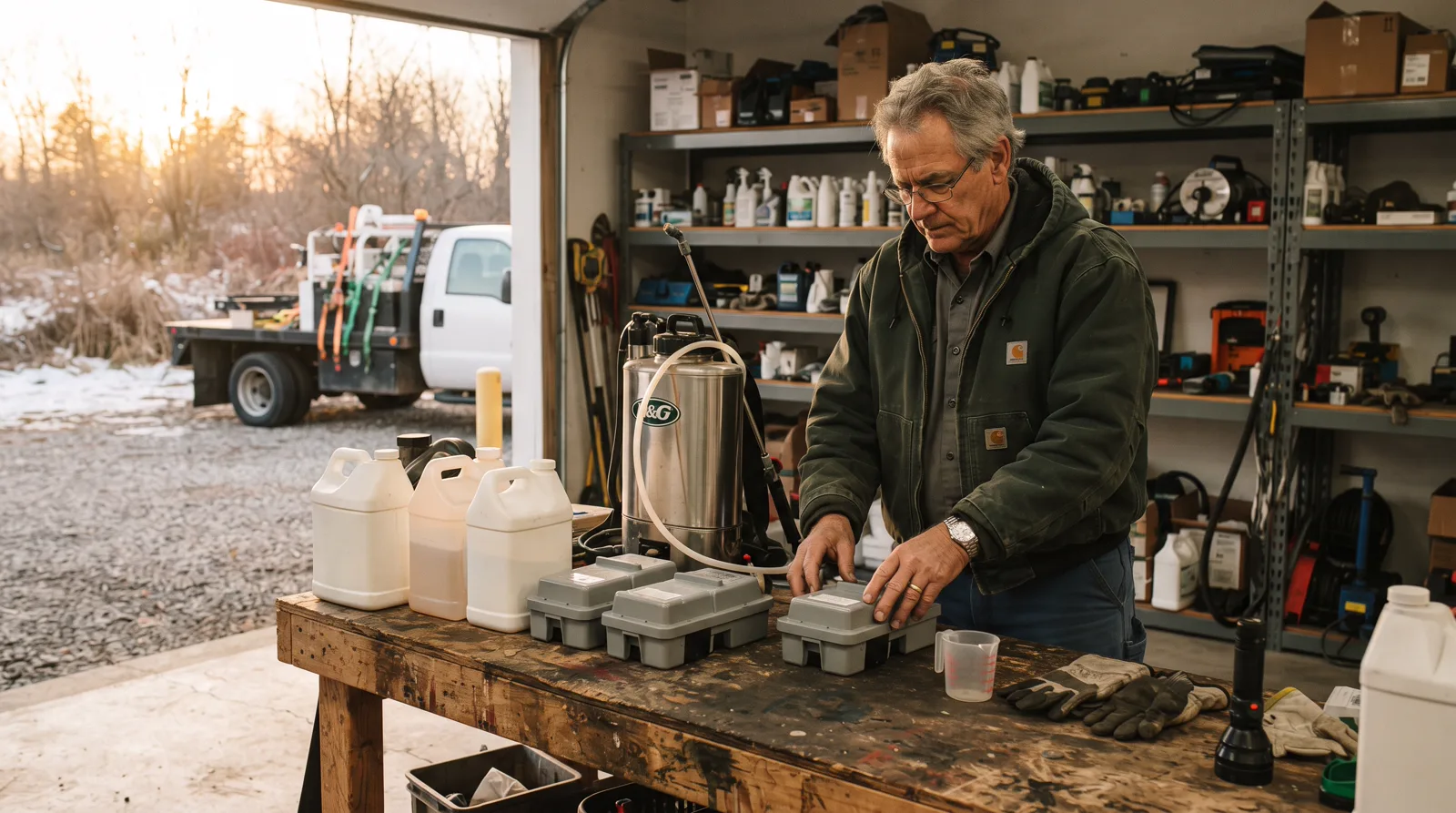
Licensed pest control operators in Alberta use commercial-grade products that aren't available to homeowners, applied with calibrated equipment that delivers precise doses to target areas while minimizing exposure in living spaces. Crack and crevice treatments place insecticide dust or gel bait directly into wall voids, under appliances, and along baseboards where pests travel, keeping the active ingredient out of areas where children and pets spend time. Perimeter barrier treatments create a treated zone around your foundation that intercepts pests before they enter, typically applied as a liquid spray to the soil and lower wall surfaces up to one metre high. These products carry residual effectiveness ranging from 30 days for wasp knockdown sprays to 90 days or longer for ant and spider barriers, and the professional will specify re-entry times and precautions based on what was applied where.
Baiting systems work differently than contact sprays because they rely on pests consuming the toxin and carrying it back to the colony, achieving control over days or weeks rather than immediate knockdown. Ant bait stations placed along trails and near entry points let worker ants feed and return to the nest, spreading the poison to larvae and the queen through normal food-sharing behaviour. Rodent bait stations use tamper-resistant boxes that keep children and pets from accessing the poison blocks inside, positioned in attics, crawl spaces, and along exterior walls where rodents travel. The pest control professional monitors these stations during follow-up visits, tracking bait consumption to measure activity levels and determine when the infestation is eliminated.
The Treatment Process from First Call to Follow-Up
When you submit a pest control request, the information routes to local professionals who confirm their service area includes Stony Plain, verify their liability coverage and pesticide applicator licenses are current, and provide an initial response outlining their inspection and treatment approach. You'll typically receive contact within four to 24 hours depending on the day and time you reach out, with emergency requests for active wasp nests near doorways or heavy rodent activity in living spaces flagged for priority response. The professional will ask about the pest type if known, how long you've noticed activity, whether you've attempted any DIY treatments, and any household considerations like young children, pets, or respiratory sensitivities that affect product selection.
The initial inspection visit lasts 45 minutes to 90 minutes for a typical single-family home, with the professional examining both interior and exterior spaces to build a complete picture of the infestation. You'll walk through your findings together so you can point out where you've seen activity, show any damage or droppings, and describe patterns like time of day or seasonal changes. The professional uses tools like inspection mirrors, flashlights, moisture meters, and fibre optic cameras to check inside wall voids, under insulation, and in crawl spaces that aren't easily accessible. This visit ends with a written quote that itemizes inspection fees, initial treatment costs, materials used, follow-up visit schedules, and any exclusion or repair work needed to prevent re-infestation.
Treatment timing and frequency depends on pest biology and infestation severity, with most programs requiring an initial intensive treatment followed by monitoring visits at 14-day to 30-day intervals. Rodent control often needs three to four visits over six to eight weeks, starting with aggressive trapping and baiting to knock down the active population, then shifting to monitoring and exclusion work once trap catches drop to zero. Carpenter ant treatments typically involve an initial interior and exterior spray application, a two-week follow-up to treat any areas where activity persists, and a final check at 30 days to confirm elimination. Wasp nest removal is usually a single-visit service when nests are accessible, but nests hidden inside wall cavities or soffits may require multiple treatments as workers continue emerging from sealed chambers.
Follow-up visits let the professional measure treatment effectiveness, adjust methods if activity continues, and address new entry points or conditions discovered after the initial work. You'll see bait station checks, trap inspection and resetting, reapplication of barrier treatments in areas where rain or irrigation has reduced effectiveness, and exclusion work like sealing gaps that were missed or have reopened due to building settlement. Many professionals include a 30-day to 90-day service warranty that covers re-treatment at no additional charge if the same pest species returns during the guarantee period, with terms clearly stated in your service agreement. Long-term prevention requires addressing the moisture problems, entry points, and attractants that allowed the infestation to start, and the professional will provide a prioritized list of repairs and maintenance tasks that reduce your risk of future issues.
What Pest Control Costs in the Stony Plain Area
A single inspection and treatment for a typical Stony Plain home runs $200 to $450 for common indoor pests like ants, spiders, or silverfish. Mouse or rat control usually starts around $300 to $600 for trap placement, exclusion work, and one or two follow-up visits. Wasp nest removal ranges from $150 to $350 depending on nest location and size, with second-story or attic nests at the higher end. Bed bug heat treatment for a single-bedroom condo can reach $800 to $1,500, while a full house may cost $1,800 to $3,500. Carpenter ant treatment, which often requires wall void injection and exterior perimeter work, typically falls between $400 and $900. These are baseline figures for straightforward cases; heavier infestations, larger properties, or hard-to-reach areas push costs higher.
Several factors drive the final price. Property size matters most: a 1,200-square-foot bungalow costs less to treat than a 3,000-square-foot two-storey with a finished basement. Infestation severity determines the number of visits and volume of material used. A few mice caught early may need one visit and a handful of traps, while an established colony in the walls requires multiple exclusion points, extensive trapping, and attic sanitation. Pest type also plays a role. Wasps and ants are usually quick jobs, while bed bugs and fleas demand heat equipment or multiple chemical applications spaced weeks apart. Accessibility counts too: treating a crawl space full of moisture and rodent droppings takes longer and carries contamination risk, so pros charge more for difficult or hazardous conditions.
Seasonal demand shifts pricing in Alberta. Wasp and ant calls spike from May through September, and some contractors raise rates during peak months or book weeks out. Rodent work picks up in October and November as mice seek shelter before hard frost, then again in March when chinook thaws let them move around. Bed bug and cockroach work runs year-round with no real season. If you can wait, booking rodent exclusion in early September or late April often means faster scheduling and lower quotes than mid-winter when every contractor is slammed. Emergency callouts outside regular hours usually add $100 to $200 to the base price, though genuine emergencies like a wasp nest blocking a doorway or a bat flying through the house justify the premium.
Comparing Treatment Methods and Materials
Chemical treatments remain the workhorse of the industry. Licensed applicators use synthetic pyrethroids for most crawling insects, applying residual sprays to baseboards, door frames, window sills, and other pest travel routes. These products kill on contact and leave a barrier that lasts four to twelve weeks depending on surface type and traffic. Rodenticides, usually bromadiolone or difethialone baits, go into tamper-resistant stations in attics, crawl spaces, and along exterior foundation walls. For bed bugs, many pros combine a knockdown spray with a long-lasting dust like diatomaceous earth or silica gel in wall voids and electrical boxes. Chemical methods work fast and cover large areas efficiently, but they require proper licensing, careful application to avoid contamination of food surfaces, and sometimes temporary evacuation of pets or small children.
Mechanical and exclusion methods offer a non-toxic complement or alternative. Snap traps, live traps, and glue boards handle rodents without poison, which matters if you have pets, livestock, or raptors that might eat a poisoned mouse. Exclusion work, sealing gaps around vents, pipe penetrations, roof edges, and foundation cracks with steel wool, caulking, or quarter-inch hardware cloth, stops new pests from entering and often delivers better long-term results than chemical barriers alone. Heat treatment for bed bugs raises room temperature to 56 degrees Celsius for several hours, killing all life stages without pesticides. Vacuuming, steam, and targeted caulking control many indoor insects if done thoroughly and repeatedly. These methods take more labor and sometimes multiple visits, so upfront costs run higher, but they avoid chemical exposure and, in the case of exclusion, prevent recurrence rather than just killing what is already inside.
Ongoing service agreements, typically $300 to $600 per year for quarterly visits, make sense for properties with persistent pressure. A home backing onto a grain field or a shop near a coulee may see constant ant, spider, or rodent activity no matter how well-sealed. Quarterly treatments maintain a chemical perimeter and catch new problems early. Monthly or bimonthly plans, common in commercial food settings, rarely make sense for residential unless you are dealing with chronic bed bugs or cockroaches tied to neighboring units. For most Stony Plain homeowners, a single thorough treatment plus exclusion work, followed by spot follow-ups as needed, proves more cost-effective than a contract. If a contractor pushes a year-long agreement after a first visit, ask what specific risk justifies ongoing service. If the answer is vague or sounds like a sales script, walk away.
Common Mistakes and Contractor Traps to Avoid
The most expensive mistake is tackling a serious infestation with retail pesticides bought at the hardware store. Consumer sprays use lower concentrations and lack the residual chemistry that professional products carry, so they kill what you see but do nothing to prevent rebound. Worse, incorrect application drives pests deeper into walls or spreads bed bugs from one room to another. Rodent poison placed loosely in an attic or basement lets mice die inside walls, creating odor problems and attracting dermestid beetles that then infest the home. Foggers and bug bombs push pesticide onto every surface, contaminate dishes and countertops, and rarely reach the cracks where pests actually hide. If DIY attempts have already failed or if you are dealing with bed bugs, fleas, or anything that bites, hiring a licensed pro from the start saves money and prevents the problem from becoming entrenched.
Red flags during the hiring process tell you to keep looking. Any contractor who shows up without proof of a valid pesticide applicator certificate issued by Alberta Environment and Protected Areas should be turned away immediately. Unlicensed application is illegal and exposes you to liability if someone gets sick or if improper chemical use damages your property. Ask whether the business carries commercial general liability insurance . A sole proprietor working alone may not be required to carry WCB, but any company with employees must, and refusal to provide a clearance letter suggests unpaid premiums or unreported payroll. Avoid anyone who guarantees complete eradication in one visit or promises pests will never return. Pest control is site-specific and depends on factors outside any contractor's control, like neighboring properties, building construction, and sanitation. A honest pro explains what to expect, offers a plan with follow-up visits if needed, and provides a written warranty covering their specific work, not a blanket promise.
Overselling is common in this trade. Some contractors recommend whole-house fumigation for a few ants, or sell a year-long contract after finding two spiders in a window well. Others push unnecessary add-ons like attic fogging for rodent odor when simply removing contaminated insulation and sealing entry points solves the problem permanently. If a quote feels high or includes services you did not ask about, get a second opinion. A legitimate business explains what each line item addresses and why it matters. Be wary of scare tactics: statements like 'your house is about to collapse from carpenter ants' or 'this will spread to every unit in the building' are usually exaggerations meant to close a sale. Carpenter ants do damage wood, but it takes years, and a competent inspection identifies the real extent. Bed bugs spread through shared walls and furniture, but containment and treatment in one unit, done properly, stops transmission. Pressure to sign immediately, refusal to provide a written quote, or dismissive answers to your questions all signal a contractor more interested in revenue than results.
How to Hire the Right Pest Control Professional
Start by verifying credentials. Every person applying pesticides in Alberta must hold a valid certificate issued by Alberta Environment and Protected Areas, either as a private applicator working on their own property or, more commonly, as a commercial applicator employed by a licensed business. Ask to see the certificate number and confirm it matches the person doing the work, not just the company owner. Check WCB coverage by requesting a clearance letter dated within the past six months, which proves the account is in good standing. Liability insurance protects you if overspray damages your vehicle, if chemicals harm a pet, or if the contractor accidentally breaks a window or damages siding during exclusion work. Most legitimate pest control companies carry at least one million dollars in general liability coverage and will provide a certificate of insurance on request. If a contractor hesitates or deflects when you ask for any of these documents, cross them off the list.
Ask specific questions before agreeing to any work. What pest are we treating, and how do you know? A good tech inspects carefully, identifies the species, and explains the biology and behavior that makes a particular treatment effective. What products will you use, and are they safe around children and pets? The applicator should name the active ingredient, describe where it will be applied, and give you re-entry instructions if any surfaces need to dry or air out. How many visits do you expect this to take, and what does the quote include? A clear answer covers initial treatment, any planned follow-ups, and what happens if the problem persists. What are you doing to prevent this from happening again? The best contractors combine chemical treatment with exclusion advice or minor sealing work, addressing the root cause rather than just knocking down the current population. If answers are vague, overly technical, or sound like a sales pitch rather than a diagnosis, move on.
Insist on a written quote that lists each service, the cost, the products to be used, and the warranty or callback policy. A verbal estimate is worthless if the final bill comes in higher or if a dispute arises over what was promised. The quote should specify how many visits are included, what areas will be treated, and whether follow-up inspections are free or billed separately. Review the service agreement or contract before signing. Watch for auto-renewal clauses that lock you into a second year unless you cancel in writing within a narrow window. Check the warranty terms: does it cover re-treatment if pests return within 30 days, 90 days, or a year? Does it require you to maintain certain conditions, like keeping food sealed or fixing plumbing leaks, to remain valid? A fair contract protects both sides and sets clear expectations. If the paperwork is missing, incomplete, or filled with fine print that contradicts what the salesperson told you, do not sign.
How Tri-Region Services Helps
Tri-Region Services routes your request to one vetted local pest control professional who has confirmed licensing, and liability coverage before joining the network. You describe the problem and your property through a short online form, and the system matches you with a pro who handles that pest type and serves your area. The matched contractor contacts you directly to schedule an inspection and provide a free written quote with no obligation. You review the proposal, ask questions, and decide whether to proceed. No high-pressure sales, no bidding war between multiple companies calling at all hours, no guessing whether the name you found online is legitimate. One qualified pro, one clear quote, and you stay in control of the decision from start to finish.
How What Every Exterminator Tells Us At Signup
Tri-Region connects you with licensed, insured pest control professionals. We confirm credentials before any match, and workmanship guarantees come from the pro doing the work.
Pesticide Applicator Certificate Verified
Every exterminator holds a valid Alberta pesticide applicator certificate, required by provincial law for commercial pest control work.
Liability Insurance stated at signup, Before Match
Liability coverage stated at signup worker is injured on site.
Workmanship Guarantee Documented Up Front
The pro you're matched with provides a written guarantee covering re-treatment if pests return within the stated window, typically 30 to 90 days depending on the service.
Free Inspection & Quote, No Obligation
The exterminator inspects the property, identifies the pest species, and provides a written quote before any treatment begins. You approve the plan and price before work starts.
Products Registered for Residential Use in Alberta
All pesticides, baits, and application methods meet Health Canada and Alberta Environment standards for residential indoor and outdoor use.
Direct Contact With the Pro Doing the Work
Once matched, you communicate directly with the exterminator to schedule visits, ask questions, and arrange follow-up treatments if the guarantee is triggered.
This page is not tied to a contractor's brand. Leads route straight to your one local partner. Verified reviews can appear here once that partner has them (never fabricated).
Serving the whole Tri-Region
7 Questions Stony Plain Homeowners Ask Before Hiring an Exterminator
What's the difference between pest removal and pest control in Stony Plain?+
How much does bed bug removal cost in Stony Plain?+
How do I choose a pest control company in Stony Plain?+
What pests are most common in Stony Plain homes?+
Do pest exterminators in Stony Plain offer guarantees?+
How quickly can a pest control service respond in Stony Plain?+
Are pest control treatments safe for pets and children?+
Get your free quote
Tell us what you need and a local pro will get right back to you.
- ✓ Sent straight to a local business
- ✓ You choose who you hire
- ✓ Free, with no obligation