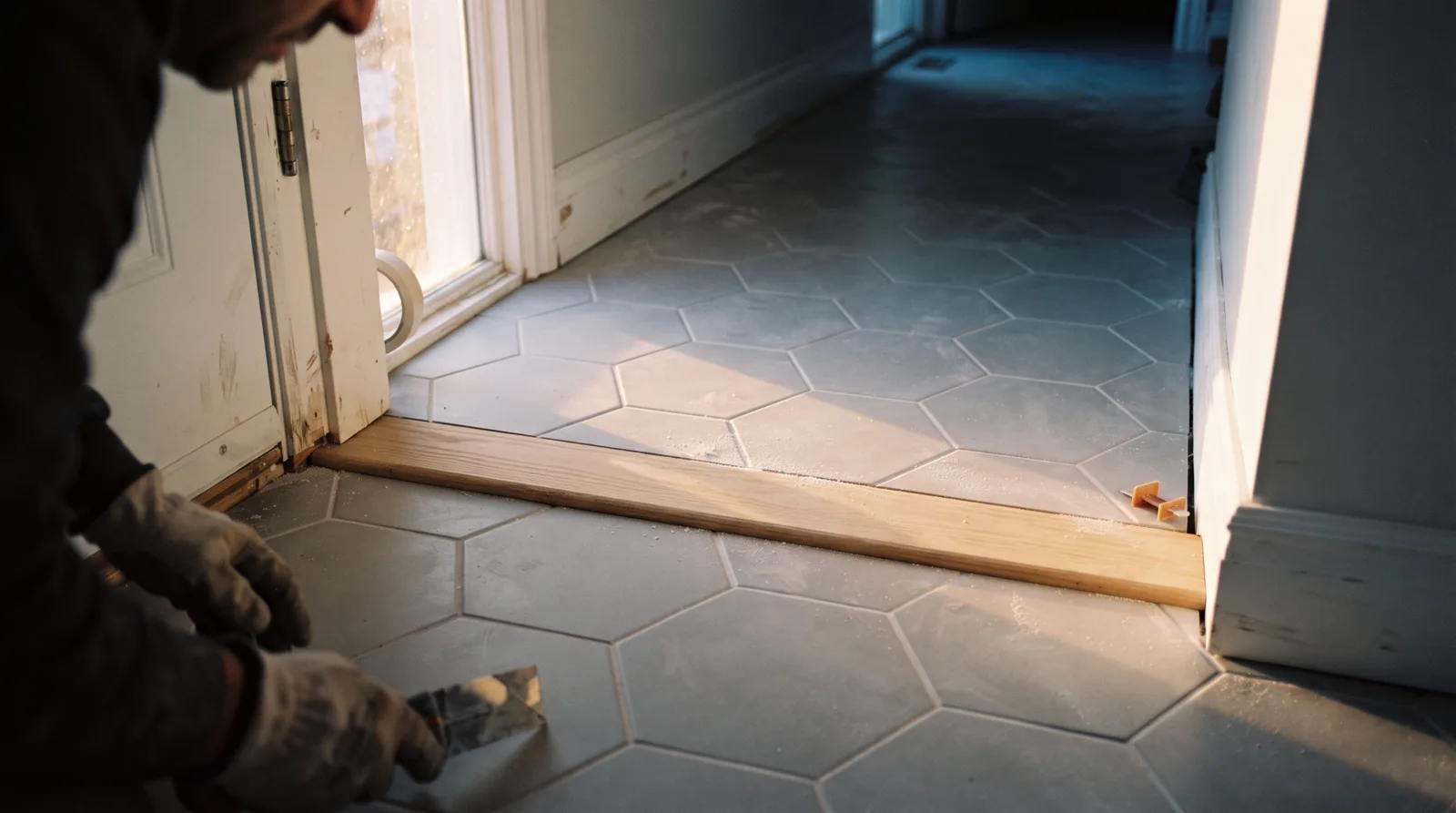
Tile Floors Built for Alberta Winters.
Ceramic and porcelain tile installed over properly prepped subfloors, with optional radiant heat, grout sealing, and a warranty that covers the install.
Tile Flooring Services in the Tri-Region
Kitchen, bathroom, entryway, and heated floor tile installations with proper subfloor prep and waterproofing where needed.
Kitchen Tile Floors
Porcelain or ceramic tile over leveled subfloor, with optional backsplash tie-in. Includes grout sealing and transition strips to adjoining rooms. Most kitchens take one to two days.
Bathroom Floor & Shower Tile
Full bathroom tile: floor, shower pan, walls if needed. Schluter waterproofing membrane, slope-to-drain for showers, and anti-slip finish options. Includes niche and corner shelf installs.
Entryway & Mudroom Tile
High-traffic porcelain rated for snow, salt, and boots. Includes underlayment moisture barrier and transition to carpet or hardwood. Built to handle Alberta freeze-thaw cycles at the door.
Radiant Heated Floor Tile
Electric mat or hydronic loop integration under tile, wired to dedicated thermostat. We level the subfloor, lay the heating element, pour self-leveling compound, then tile. Warm floors all winter.
Tile Repair & Replacement
Cracked or chipped tile removal and replacement, grout repair, re-sealing. We match existing tile or source close alternatives. Small jobs welcome.
Custom Pattern & Inlay Tile
Herringbone, chevron, hexagon mosaics, or mixed-material inlays. Precision cuts, laser level layout, and sealed edges. Takes longer but delivers showroom results.
Why Tile Needs Alberta-Specific Installation
🏔️ Foundation Movement & Subfloor Flex
Older Spruce Grove and Stony Plain homes settle over time, especially on clay soil. We assess subfloor deflection with a straight edge and add plywood or backer board where needed so tile does not crack in six months. Flexible thin-set on wood subfloors, rigid on concrete.
❄️ Mudroom & Entryway Snow Load
Tile near exterior doors sees snow melt, road salt, and freeze-thaw moisture daily in winter. We spec porcelain (not ceramic), seal grout with penetrating sealer, and slope the subfloor slightly toward the door so water does not pool. Boot trays sit on tile, not vinyl.
🌡️ Radiant Heat & Chinook Swings
In-floor heat is common in new Parkland County builds and retrofits. Tile is the best conductor, but the heating mat must be embedded in self-leveling compound before tile goes down. Chinook temperature swings do not crack properly installed tile because porcelain expands minimally.
🛠️ Permits & WCB for Contractor Work
Bathroom renovations in Spruce Grove and Parkland County sometimes need permits if plumbing or structural changes are involved. The installer pulls permits when required. Every installer we refer carries so homeowner liability is not triggered if someone gets hurt on site.
What it costs here
Everything You Need to Know About Tile Flooring in Spruce Grove
From choosing porcelain over ceramic to prepping subfloors for Alberta's freeze-thaw cycles, here is the full walkthrough.
What Tile Flooring Installation Actually Involves
Tile flooring installation means removing your existing floor surface, preparing the subfloor to handle Alberta's seasonal movement, and setting ceramic or porcelain tiles in a waterproof, level system that can withstand decades of foot traffic, temperature swings, and moisture exposure. The work typically happens in kitchens, bathrooms, mudrooms, and entryways where water resistance and durability matter most. In Spruce Grove and Parkland County, installers deal with older homes built on clay soils that shift with freeze-thaw cycles, newer builds with engineered floor systems, and everything in between. The goal is a finished surface that stays flat, bonded, and crack-free through chinook winds in January and saturated spring thaw in April.
Professional tile installation starts with subfloor assessment and correction. Wood subfloors need to be stiff enough that they will not flex under load, which means sistering joists, adding blocking, or laying a cement backer board over the existing plywood. Concrete slabs common in basements and newer builds need to be ground flat, patched where they have cracked, and sealed if moisture is wicking up from below. Many Spruce Grove homes built in the 1980s and 1990s have settling issues where one corner of the kitchen floor sits 12 millimetres lower than the other. Installers use self-leveling compound to create a flat plane, then apply a waterproof membrane in wet areas so water cannot reach the wood or drywall below. Skipping this prep is why you see tented tiles and cracked grout lines in DIY jobs and discount contractor work.
Once the subfloor is ready, installers lay out the tile pattern to minimize cuts, avoid narrow slivers at walls, and centre focal points like kitchen islands or vanity fronts. They spread thin-set mortar with a notched trowel, press each tile into place, and use spacers to keep grout lines consistent. Ceramic tile is clay-based, softer, easier to cut, and less expensive. Porcelain tile is denser, harder, more water-resistant, and often costs 20 to 40 percent more. Both handle Alberta winters fine if installed correctly. After the mortar cures for 24 to 48 hours, installers apply grout to fill the joints, then seal the grout so it resists staining from mud, pet paws, and spilled coffee. The final floor should feel solid underfoot with no hollow sounds when you walk, no lippage between tiles, and grout lines that run straight across the room.
Material and labour costs depend on tile type, room size, subfloor condition, and complexity of the layout. A basic ceramic tile install in a small powder room might run $400 to $900 including materials. A large kitchen with porcelain tile, diagonal layout, and extensive subfloor repair can reach $3,500 to $6,000. Most Spruce Grove contractors charge $8 to $15 per square foot for labour, with tile material adding another $2 to $12 per square foot depending on quality and style. Removing old flooring, hauling debris, and repairing subfloor damage add to the quote. Expect the job to take one to three days for a typical bathroom or kitchen, with an extra day of cure time before you can walk on the floor and another few days before you place heavy furniture or appliances back in position.
Why Spruce Grove Homes Need Quality Tile Floors
Spruce Grove sits on glacial till and clay soils that expand when wet and shrink when dry, creating seasonal foundation movement that shows up as cracks in drywall, sticking doors, and floor surfaces that no longer sit level. Homes built before 2005 often have minimal vapour barriers under basement slabs, so groundwater migrates up through the concrete during spring melt and soaks into any porous flooring. Laminate and engineered hardwood swell, warp, and delaminate. Vinyl plank flooring can handle some moisture, but it scratches easily under the grit that gets tracked in from gravel driveways and unpaved rural roads common in Parkland County. Tile flooring solves these problems because porcelain and ceramic are inert materials that do not absorb water, do not scratch from sand, and do not expand or contract with humidity changes.
The climate cycle in this region is hard on floors. January temperatures drop to minus 25 Celsius or colder, then chinook winds arrive and spike daytime highs to plus 5 Celsius within 48 hours. That freeze-thaw swing happens a dozen times each winter, and it stresses any flooring material that absorbs moisture or relies on adhesive bonds. Tile set in proper thin-set mortar over a stable subfloor flexes microscopically with the building but does not crack or lift. Grout joints act as expansion space. Sealed grout prevents meltwater and mud from penetrating into the substrate. Kitchens and entryways in Spruce Grove homes see heavy boot traffic from October through April, often with road salt, sand, and ice clinging to treads. Tile stands up to that abuse where luxury vinyl shows scuffs within a year and laminate edges chip from dropped groceries or dog claws.
Bathrooms and laundry rooms are wet zones where building code requires water-resistant assemblies. Alberta Building Code section 9.30 governs moisture control in residential construction, and inspectors expect to see waterproof membranes under tile in showers, tub surrounds, and floors adjacent to plumbing fixtures. A proper tile installation includes a bonded membrane that ties into the drain and runs six inches up the wall, creating a pan that contains any leak until you notice and fix the source. Homes in Acheson and rural Parkland County often run on well water with high mineral content that leaves calcium and iron stains on grout. Sealing the grout after installation and resealing every two years keeps those minerals on the surface where they wipe away instead of soaking into the porous cement. This maintenance step takes ten minutes and extends grout life by a decade.
Signs Your Floors Need Tile Installation or Replacement
You know you need new tile flooring when your current floor no longer protects the structure below it or when damage has progressed to the point that repair costs approach replacement costs. In bathrooms, look for soft spots near the toilet or shower where water has soaked through failed grout and rotted the plywood subfloor. Press down with your foot. If the floor feels spongy or you hear cracking sounds, the subfloor is compromised and needs to be cut out and replaced before new tile goes down. Dark stains or a musty smell near the tub usually mean a slow leak has been feeding mold growth in the floor cavity. Waiting to address this leads to structural damage that spreads into floor joists and requires expensive sister repairs or even joist replacement.
Cracked grout lines and loose tiles signal that the installation is failing. One or two hairline cracks in grout are cosmetic, but when grout crumbles out of the joints or entire sections crack in a grid pattern, the subfloor is flexing too much or the tile was set without adequate mortar coverage. Hollow-sounding tiles indicate that the mortar bond has failed. Tap tiles with a hard object like a wooden spoon handle. Solidly bonded tiles return a dull thud. Tiles with voids underneath ring like a drum. Those tiles will eventually crack under foot traffic or shift enough that grout pops out. If more than 10 percent of the tiles in a room sound hollow, the floor needs to be removed and reinstalled on a properly prepped subfloor with full mortar coverage.
Outdated or stained tile drives replacement even when the installation is structurally sound. Kitchens and bathrooms remodeled in the 1990s often have small square ceramic tiles in beige, almond, or seafoam green. The tile itself is fine, but the style reads as old and cheap to buyers, and the grout has absorbed years of dirt that no amount of scrubbing removes. Replacing that tile with modern large-format porcelain in neutral grey, white, or wood-look patterns transforms the room and adds measurable resale value. Real estate agents in Spruce Grove consistently report that updated kitchens and bathrooms move homes faster and command higher offers, with tile flooring being one of the most visible and cost-effective upgrades.
Homes with vinyl sheet flooring, peel-and-stick tiles, or other budget surfaces in wet areas should consider upgrading to real tile for durability and moisture protection. Vinyl eventually curls at seams, tears from sharp impacts, and allows water to seep underneath where it damages the subfloor and feeds mold. Peel-and-stick tiles lose adhesion in cold basements and lift at edges, creating trip hazards. Neither material meets the performance standards of ceramic or porcelain tile. If you are planning to stay in your Spruce Grove home for five or more years, investing in proper tile installation now saves money compared to replacing failing vinyl every few years and dealing with water damage repairs when leaks go unnoticed under impermeable sheet goods.
The Professional Tile Installation Process
Site Preparation and Subfloor Correction
The installer begins by removing all furniture, appliances, and the existing floor covering. Old tile comes up with a chipping hammer or floor scraper, often breaking into sharp shards that need careful cleanup. Vinyl and laminate peel up more easily but leave adhesive residue that must be scraped or sanded off so new mortar can bond. The installer inspects the subfloor for level, stiffness, and moisture issues. Wood subfloors need to meet deflection standards, typically L/360 for ceramic tile and L/480 for porcelain, meaning the floor can flex no more than one 360th or one 480th of the span between supports. Floors that fail this test get reinforced with additional blocking, thicker plywood, or cement backer board screwed down every eight inches.
Concrete subfloors are checked with a four-foot level and marked wherever high or low spots exceed three millimetres over that distance. High spots get ground down with a concrete grinder. Low spots and cracks are filled with patching compound. If the slab shows moisture issues, common in basements and older homes without proper vapour barriers, the installer applies a moisture mitigation primer or membrane. Many Spruce Grove basements show efflorescence, white mineral deposits that indicate water migrating through the concrete. Tiling over an active moisture problem leads to bond failure and mold growth. The right fix is to address exterior drainage, apply waterproof coating to foundation walls, and install a moisture barrier under the tile.
In wet areas like bathrooms and laundry rooms, installers apply a waterproof membrane directly to the subfloor and up the walls to the height water might reach. This membrane is a sheet product or liquid-applied coating that cures into a flexible, water-impermeable layer. Seams overlap and bond together. The membrane ties into the shower drain with a bonding flange so water cannot escape the assembly. Building inspectors in Parkland County expect to see this detail before tile goes down. Once the membrane is installed and inspected, the subfloor is ready for tile, and the installer moves to layout.
Tile Layout and Cutting
The installer dry-lays tiles on the floor to plan the layout and minimize waste. The goal is to avoid narrow cuts at walls, centre the pattern on focal points like vanities or kitchen islands, and keep grout lines straight and consistent. For rectangular tiles, common layouts include straight stack, offset brick pattern, and herringbone. Diagonal layouts add visual interest but create more cuts and waste. The installer snaps chalk lines on the subfloor to mark starting points and uses these guides to keep rows aligned as the work progresses across the room.
Cutting tile requires a wet saw for straight cuts, a tile nipper for small notches, and an angle grinder with a diamond blade for curved cuts around drains or toilet flanges. Porcelain tile is much harder than ceramic and wears out blades faster, so installers budget extra time and consumables for porcelain jobs. Each cut needs to be precise because gaps wider than the grout joint look sloppy and allow water to reach the subfloor. Corners, doorways, and transitions to other flooring types require careful measurement and test fits. Experienced installers cut a few tiles, set them in place, and verify fit before committing to a full row.
Mortar Application and Tile Setting
The installer mixes thin-set mortar to a peanut butter consistency and spreads it on the subfloor with a notched trowel. Notch size depends on tile size, with larger tiles requiring deeper notches to ensure full coverage. The installer works in small sections, spreading only as much mortar as can be covered before it starts to skin over, usually 15 to 30 minutes depending on temperature and humidity. Each tile is pressed into the mortar with a slight twist to collapse the ridges and achieve full contact. Installers check coverage by pulling up a tile occasionally to confirm that mortar covers at least 95 percent of the back surface. Insufficient coverage creates voids that lead to cracked tiles and hollow sounds.
Spacers inserted between tiles maintain consistent grout joint width, typically two to three millimetres for floor tile. The installer uses a level to check that tiles sit flush with each other and adjusts by adding or removing mortar as needed. Lippage, the condition where one tile edge is higher than its neighbour, creates a trip hazard and looks unfinished. Installers work row by row across the room, checking alignment and level frequently. Once the field tiles are set, they cut and install edge pieces and transitions. The mortar needs at least 24 hours to cure before anyone walks on the floor, and most installers wait 48 hours before grouting.
Grouting, Sealing, and Final Cleanup
After the mortar has cured, the installer removes the spacers and mixes grout to the consistency of thick paste. Grout is spread across the tiles with a rubber float held at a 45-degree angle, forcing the material into the joints. Excess grout is scraped off diagonally so the float does not pull grout back out of the joints. Within 15 to 20 minutes, before the grout hardens, the installer wipes the tile surface with a damp sponge to smooth the joints and remove the grout haze. This step requires care because too much water weakens the grout, and too little leaves a film that is hard to remove later. The grout cures for 48 to 72 hours depending on temperature and humidity.
Once the grout is fully cured, the installer applies a penetrating sealer to protect the grout from staining. Sealer soaks into the porous cement and creates a barrier that repels water, oil, and dirt. Unsealed grout in a kitchen or entryway will darken within weeks from foot traffic and spills. Sealed grout stays clean and wipes down easily. Some installers also seal natural stone tiles, but most ceramic and porcelain tiles have a factory glaze that does not need additional sealing. The installer cleans the finished floor with a pH-neutral cleaner to remove any remaining haze or residue, inspects grout joints for voids or cracks, and touches up any spots that need additional material. The floor is ready for use as soon as the sealer dries, usually within a few hours.
What Tile Flooring Really Costs in Spruce Grove, Stony Plain, and Parkland County
In Spruce Grove, Stony Plain, and Parkland County, a professional tile floor installation typically runs between $12 and $35 per square foot installed, though high-end porcelain or natural stone can push past $45 per square foot. For a standard 100 square foot bathroom, you're looking at roughly $1,200 to $3,500 all in. The tile itself accounts for about 30 to 40 percent of that total. Budget ceramic starts around $2 per square foot, mid-grade porcelain runs $4 to $8, and natural stone or designer large-format tiles can hit $12 to $20 per square foot before installation. Labour, underlayment, adhesive, grout, and finishing account for the rest, and that's where Alberta conditions really shape the final bill.
The biggest cost variable in the Tri-Region is subfloor condition and prep. Homes built on clay soils around Stony Plain and Parkland County experience seasonal heave and settlement, and older homes often show unlevel or flexing subfloors. If your subfloor has more than a quarter inch variance over ten feet, the installer needs to pour self-leveling compound or sister joists, adding $3 to $6 per square foot. Bathrooms and entryways require cement backerboard or a waterproof membrane system like Schluter or Wedi, which adds another $2 to $4 per square foot in material and labour. Skipping this step to save money is the most common regret homeowners share after the first winter, when grout cracks appear or tiles start popping loose.
Layout complexity drives labour hours. A simple grid pattern in a square room costs far less than diagonal, herringbone, or mixed-size patterns that require precise cuts and planning. Intricate layouts can double labour time. If you're adding in-floor radiant heat, which many Tri-Region homeowners want for bathroom and entryway comfort during January cold snaps, expect another $10 to $18 per square foot for the heating mat, thermostat, and careful thinset application to avoid damaging heating wires. Finally, finishing details matter. Quality grout, especially epoxy grout for wet areas, proper sealing of natural stone, and clean caulk lines around transitions and fixtures add another hour or two of skilled labour but make the difference between a five-year floor and a 25-year floor.
Comparing Your Tile Options: Porcelain vs. Ceramic vs. Natural Stone
Porcelain tile is the most popular choice for Tri-Region homes because it handles our climate extremes. It's fired at higher temperatures than ceramic, making it denser, harder, and nearly impervious to water. That density matters when entryway floors see snow melt, road salt, and temperature swings from 30 below outside to 22 degrees inside. Porcelain resists chipping better than ceramic, and through-body porcelain, where the colour runs all the way through, hides chips that do occur. You'll find porcelain in every finish from matte to high-gloss and in formats from tiny mosaics to 24-inch by 48-inch planks that mimic hardwood. Expect to pay $4 to $10 per square foot for quality residential porcelain. It's the best all-around performer for kitchens, bathrooms, mudrooms, and basements.
Ceramic tile costs less, typically $2 to $5 per square foot, because it's softer and more porous than porcelain. It works fine for low-traffic bathrooms and areas that won't see freeze-thaw cycles or heavy impacts. The glaze on ceramic is durable enough for most residential use, but if the glaze cracks or chips, the lighter-coloured clay body underneath shows through. In Parkland County and Spruce Grove, ceramic makes sense for powder rooms, secondary bathrooms, and backsplashes, but most installers steer you toward porcelain for entryways and main-floor spaces. Ceramic is easier to cut, which can save a bit of labour time on detailed layouts, but that savings is minor compared to the performance gap. If budget is tight and the application is right, ceramic is a reasonable choice. Just don't use it where winter boots and road grit will land.
Natural stone, slate, travertine, marble, brings unique beauty and a luxury feel, but it demands more care and costs more upfront and over time. Prices start around $8 per square foot for basic travertine and climb to $20 or more for premium marble or slate. Stone is porous, so it requires sealing every one to three years depending on the stone type and traffic. Acidic spills like lemon juice, vinegar, or some cleaners can etch marble and travertine. In Alberta's dry winter air and with radiant heat, stone can develop hairline cracks if not installed over a proper uncoupling membrane. Slate handles freeze-thaw beautifully and offers great slip resistance for entryways, but it's heavy and requires a very stiff subfloor. Most Tri-Region installers recommend stone for feature areas, fireplace surrounds, or master ensuite showers where the visual impact justifies the maintenance. For daily-use floors, porcelain that mimics stone delivers 90 percent of the look with a fraction of the upkeep.
Common Mistakes and Contractor Red Flags to Avoid
The most common homeowner mistake is selecting tile based on looks alone without considering the room's conditions. Glossy porcelain looks stunning in a showroom but turns into a skating rink when wet, making it a poor choice for bathrooms and entryways. Porous tumbled stone or unglazed terracotta might suit a Mediterranean kitchen aesthetic, but in a Spruce Grove mudroom with snow and road salt, it will stain and deteriorate within two winters. Large-format tiles, anything over 12 inches, require a perfectly flat subfloor. If you install 24-inch tiles over a subfloor with dips or humps, lippage, where one tile edge sits higher than its neighbour, will catch toes and look terrible. A qualified installer will tell you when your tile choice won't work for your space. If they don't push back or ask questions about traffic, moisture, and subfloor condition, that's a red flag.
Skipping or cheating on waterproofing and underlayment is the fastest way to a failed tile floor. Bathrooms, laundry rooms, and entryways need a waterproof membrane or cement board designed for wet areas. Some contractors still try to install tile over plain plywood or drywall, especially in basements or powder rooms. Within months, water seeps through grout lines, the substrate swells or rots, and tiles crack or debond. In homes with in-floor heating, the installer must use a membrane that allows for subfloor movement and heat expansion. Schluter Ditra, Wedi board, and similar systems add cost but are non-negotiable for long-term performance. If a quote doesn't specifically list underlayment and waterproofing materials by name and brand, ask why. A vague statement like we'll prep it properly isn't enough detail to rely on.
In Alberta, tile installers don't need a specific trade ticket, so the market includes everyone from skilled journeyman carpenters and certified tile-setters to handymen with a wet saw. Always confirm the contractor has liability insurance if they have employees and liability insurance of at least $2 million. Ask for proof, not just a verbal assurance. A contractor without WCB exposes you to legal liability if a worker is injured on your property. Watch for quotes that lump everything into one line item with no material or labour breakdown. Detailed quotes show the contractor actually assessed your job. Be wary of anyone who quotes over the phone without seeing the space, measuring, or checking the subfloor. A proper quote requires an in-person visit. Finally, if the price seems far below everyone else's, the contractor is likely cutting corners on prep, using cheap adhesive, or planning to disappear before callbacks. In the Tri-Region, reputable installers are busy. If someone can start tomorrow on a big job with no notice, ask yourself why they have that much free time.
How to Hire the Right Tile Installer in the Tri-Region
Start by asking how long the installer has been in business and whether they focus on tile or do it as a side service. A dedicated tile specialist will have better tools, more current knowledge of materials, and cleaner results than a general handyman. Ask to see photos of completed projects that match your scope, bathrooms, kitchens, entryways, and request two or three recent references you can actually call. When you call those references, ask whether the job stayed on schedule, if the installer cleaned up daily, and whether any callbacks were needed. Check online reviews on Google and Facebook, but remember that small independent contractors might have only a handful of reviews. Look for patterns, always late, poor communication, great work but messy, rather than single one-star complaints. Membership in trade organizations like the Tile Contractors Association of Canada signals commitment to standards, though it's not a dealbreaker if a good local installer isn't a member.
When you meet with potential installers, ask specific questions. What type of underlayment will they use, and why? How will they handle transitions between tile and carpet or hardwood? What thinset and grout brands do they prefer, and do they recommend sealing? How do they account for seasonal subfloor movement common in Parkland County homes? If you're installing in a basement, ask how they address potential moisture from below. The written quote should list square footage, tile type and cost, underlayment and waterproofing materials, adhesive and grout specifications, labour, and a timeline. It should clarify who supplies the tile, you or them, and how overages and cuts are handled. Make sure the quote includes removal and disposal of old flooring if needed, and ask whether the price could change if subfloor issues are discovered. A good contractor will note that additional leveling or repair will be billed separately if required, but they should give you a ballpark cost per square foot for that work so you're not blindsided.
Red flags include contractors who pressure you to decide on the spot, who ask for more than 25 percent deposit upfront, 10 to 20 percent is standard for materials, or who insist on cash payment with no receipt. Avoid anyone who doesn't pull a permit when one is required. In Spruce Grove and Stony Plain, minor bathroom or kitchen tile work usually doesn't require a permit, but if you're altering plumbing, adding heating, or doing structural subfloor work, a permit may be necessary. Your installer should know and advise you. Payment terms should be clear: a deposit to order materials, a progress payment when installation begins, and final payment when you've inspected and accepted the work. Never pay in full until the job is complete, grouted, sealed, and cleaned. Walk the finished floor carefully before signing off. Check for lippage, loose tiles that sound hollow if you tap them, uneven grout lines, and clean transitions. Any issues should be addressed before final payment.
How Tri-Region Services Helps
Tri-Region Services takes the guesswork and risk out of hiring a tile installer in Spruce Grove, Stony Plain, and Parkland County. We maintain a curated network of fully licensed, insured tile professionals who specialize in residential projects and understand Alberta building conditions. When you request a quote through our platform, we connect you with one local contractor who will visit your home, assess your subfloor and layout, discuss tile options that suit your space and budget, and provide a detailed written quote at no charge and no obligation. You're not paying for leads or competing bids. You're getting a single trusted referral to a pro we'd hire for our own homes. That referral comes with transparency, accountability, and the confidence that the installer has been asked about quality and reliability. Whether you're tiling a small bathroom or a whole main floor, Tri-Region Services helps you move forward with clarity and peace of mind.
How We Qualify Tile Installers
Every contractor in our network meets these standards before we send them to your door.
Licensed & Insured in Alberta
Current liability insurance and business license on file, verified annually.
liability insurance for All Installers
No homeowner liability if a worker is injured during your tile job.
Subfloor Assessment Before Quoting
We check for level, moisture, and structural integrity so the tile does not crack later.
5-Year Workmanship Warranty
Covers lippage, cracking from poor prep, grout failure, and loose tiles.
Local Tile Supplier Relationships
Direct accounts with Edmonton-area tile distributors for better pricing and stock.
Code Compliant & Permit Ready
The installer pulls permits for bathroom gut jobs and follows Alberta Building Code for waterproofing.
This page is not tied to a contractor's brand. Leads route straight to your one local partner. Verified reviews can appear here once that partner has them (never fabricated).
Serving the whole Tri-Region
7 Questions About Tile Flooring in Spruce Grove
Should I use ceramic or porcelain tile in an Alberta home?+
Can tile be installed over existing vinyl or laminate flooring?+
How long does a typical tile floor installation take?+
Is tile compatible with radiant floor heating systems?+
How often does tile grout need to be sealed?+
Can tile be installed in a basement or below-grade space?+
What happens if tile is installed in winter when it is cold?+
How do you handle tile transitions to carpet or hardwood?+
Get your free quote
Tell us what you need and a local pro will get right back to you.
- ✓ Sent straight to a local business
- ✓ You choose who you hire
- ✓ Free, with no obligation